Ten things you should know before buying a Porsche 911
- Date
- Words
- Enric Godes
10 checks before buying a Porsche 911: how to spot accident damage, obtain a detailed report and identify the inspections that matter.
Drivers are swayed by price or design before purchasing a car, but there are other important factors to consider. Below we list 10 tips for purchasing a second-hand 911.
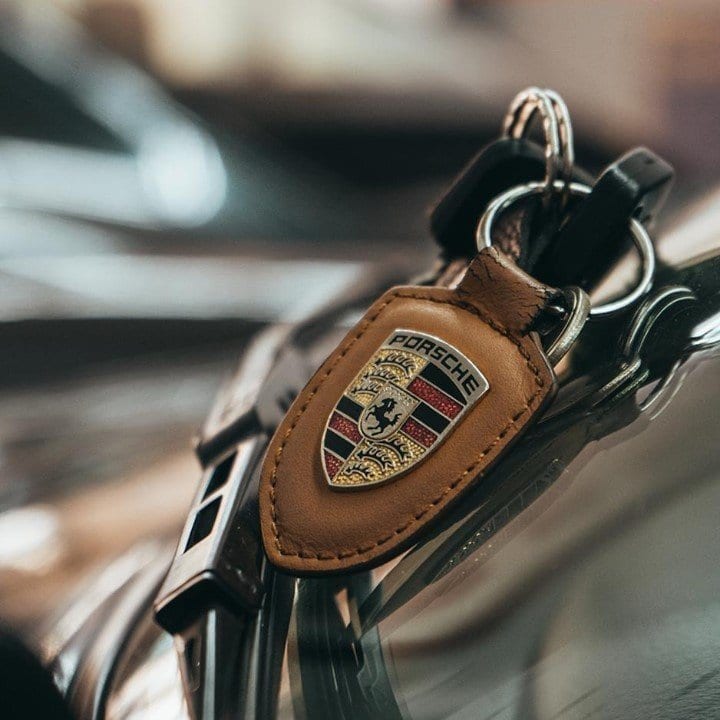
Tips to acquire the dream car
1. The service book
The servicing booklet of the car usually contains the conservation and servicing of the car. It is a record of all interventions carried out, duly sealed by the workshops. It is, in short, the service history as well as a guide to know the current life of a vehicle. It will give us clues about:
- The care provided by the owner.
- If it has been reviewed by specialized workshops.
- If the manufacturer’s specifications have been followed.
Be wary, therefore, of books that are not sealed or whose activity is not consistent with the recommended revisions.
2. Pre-purchase check
In Valentín Motores we carry out prior reviews When purchasing vehicles, we look for possible mechanical failures or non-visible incidents that go unnoticed in the eyes of those not specialized in Porsche. If you want to review a Porsche 911 On your own, these are some of the points you should check:
- Mileage. The annual average of a vehicle is approximately 20.000 kilometers. Be wary of vehicles with unjustifiably low mileage.
- Paint. Signs may appear around the exhaust pipe, on trim, and on windows that indicate whether a car has been repainted.
- Vehicles that have suffered a collision. If the body joints are misaligned, the vehicle has surely suffered an accident. Roughness on the contours of the body panels is indicative that it has been repaired. Also inspect the condition of the moldings, bumpers and grill.
- Leaks. The only liquid losses that a vehicle should suffer are those that come from the condenser. If you have a chance, check the bass.
- Tires. Check that the wear is symmetrical. If not, it may indicate that it requires wheel balancing or wheel alignment.
- Oxidation. Any sign of rust represents a problem since there is no economical solution to stop its advance.
- Dampers. By applying strong pressure to one end of your car, the body should lower and return to its original position slowly and without bouncing.
- Inside. Inspect the interior carefully. Some wear is within reason, but reupholstery on soft seats, new pedal covers or worn armrests are suspicious. Lift the mats for evidence of water leaks or rust. New welds indicate recent repairs.
- Hoses. Inspect the hoses for wear or weak spots.
- Battery. A low electrolyte level, corroded terminals or a cracked base indicate a lack of servicing.
- Radiator and antifreeze. Look for corrosion or rust around the radiator, indicative of a leak. Dirt in the antifreeze indicates lack of servicing.
- Air filter. A dirty air filter usually means a lack of servicing.
- Spark plug wires. Check the spark plug wires for cracks, burnt spots, or wear.
- Oil level. If the oil level is low, it may indicate that the engine is consuming oil.
- Exhaust. Check the color of the exhaust smoke. Blue smoke is usually produced by oil consumption, black smoke by poor combustion, and white smoke by a serious problem in the engine, perhaps in the cylinder head.
3. Engine service hours
On units from 996 you can check the engine service hours, this will give us an idea of the real mileage. If it does not match what the odometer shows, be suspicious.
4. IMS
The Intermediate Shaft, better known as IMS is the bearing that holds the intermediate shaft and transmits the movement to the chains that go to each of the cylinder heads. In engines type M96 from 1998 to 2004 and type M97 from 2004 to 2006 the bearing fails and can cause the motor to break due to timing and interference. Before purchasing a 911 manufactured between 1998 to 2006 it is necessary to check the status of the IMS.
At Valentín Motors we have great experience checking and changing IMS.
5. Owner History
On the following page of the DGT https://sede.dgt.gob.es/es/vehiculos/informe-de-vehiculo/ it is possible to request the detailed report of a vehicle, upon payment of 9 euros. In it we will obtain a report with the public information available to the DGT, among other things it includes:
- Administrative situation: If it is authorized to circulate or if it has any negative incident that prevents its transfer, if the ITV is up to date.
- Owner information: owner and co-owners if they exist.
- Identification of the vehicle: License plate, chassis number, make, model, date registration, service, etc.
- If it has been re-registered, inform us and the date, or if the vehicle is rented.
- Technical information of the vehicle.
- Insurance data: also indicates whether the vehicle has current insurance.
- Loads or liens: know if the vehicle has any load, embargo, seal or there is non-payment of the IVTM and date.
- Owner history: type of owner, company or individual, and the dates of the period.
- History of technical inspections (ITV): all technical inspections, with result and date.
- mileage history: since recorded by the ITV station
- History of leaves: Indicates the leave or withdrawals if any, reason and dates.
- environmental information.
- Security of the vehicle.
As this is official information, it cannot be altered and can explain how a vehicle has been used and whether its characteristics match the seller’s offer.
6. Consult a specialist
The first Porsche 911 was built in 1964. Since then, many models with completely different characteristics have been manufactured. How are you going to use the vehicle? What kind of sensations are you looking for? What is your quote? Do you know the story behind each model? A specialist will be able to guide you through the complex process of selecting the right model based on your requirements. At Valentín Motors we can advise you thanks to our extensive experience in the marketing of 911.
7. Imported units
Units imported from European countries usually have attractive prices and high levels of equipment. But you have to keep an eye on the following details:
- They usually come from countries with high rainfall rates and it is not unusual to find rust on its bottom.
- Likewise, it is possible that if you come from a country where it snows in winter, it is not strange to find salt accumulation which is used to clear snow from the road.
- It is worth buying the license plate or the number of the chassis number to discover if it has been stolen or damaged.
- Some buying/selling they manipulate the odometer or the data of registration.
8. Accident free
A car that has suffered a serious accident may have its chassis affected. If it has been poorly repaired it will not have the same level of passive safety. What you should examine in a car:
- Paint: if the thickness is excessive it indicates that it has suffered a blow at that point. Using a magnet it is possible to check if there are areas with a lot of putty or with various layers of paint.
- Sheet metal pieces: all sheet metal elements must have the same clearance and not be out of square. The screws that support them are usually painted at the factory, so if they have another color it should raise suspicions.
- Interior: interior panels and moldings must be attached and not be out of alignment. The door rubbers must be tight and leave no free spaces. If the airbag covers on the steering wheel or dashboard are a different color or are new, they may have been used.
9. factory engine
The term matching numbersis applied when the chassis number matches the engine and gearbox number with which the vehicle left the factory. Units with mismatched numbers have a lower appreciation value or are indicative of major repairs.
10. Try it.
Demands test drive. It is only through a test drive where you can check the response of the engine, the firmness of the steering, the reliability of the brakes, and the general behavior. In addition to confirming what you have been able to observe externally, it will help you know if you love the car. Remember that purchasing a Porsche is done from the heart.