Porsche projects defined before disassembly
How a project begins
A 911 intended for the road, a collection, or the track requires three distinct project approaches right from the initial sketch.
With a conversation and a car—in that order. The first step is understanding what is desired from the finished car: whether it is for driving, for storage, or for racing. Everything else stems from that, including the uncomfortable part: the cost and the timeline.
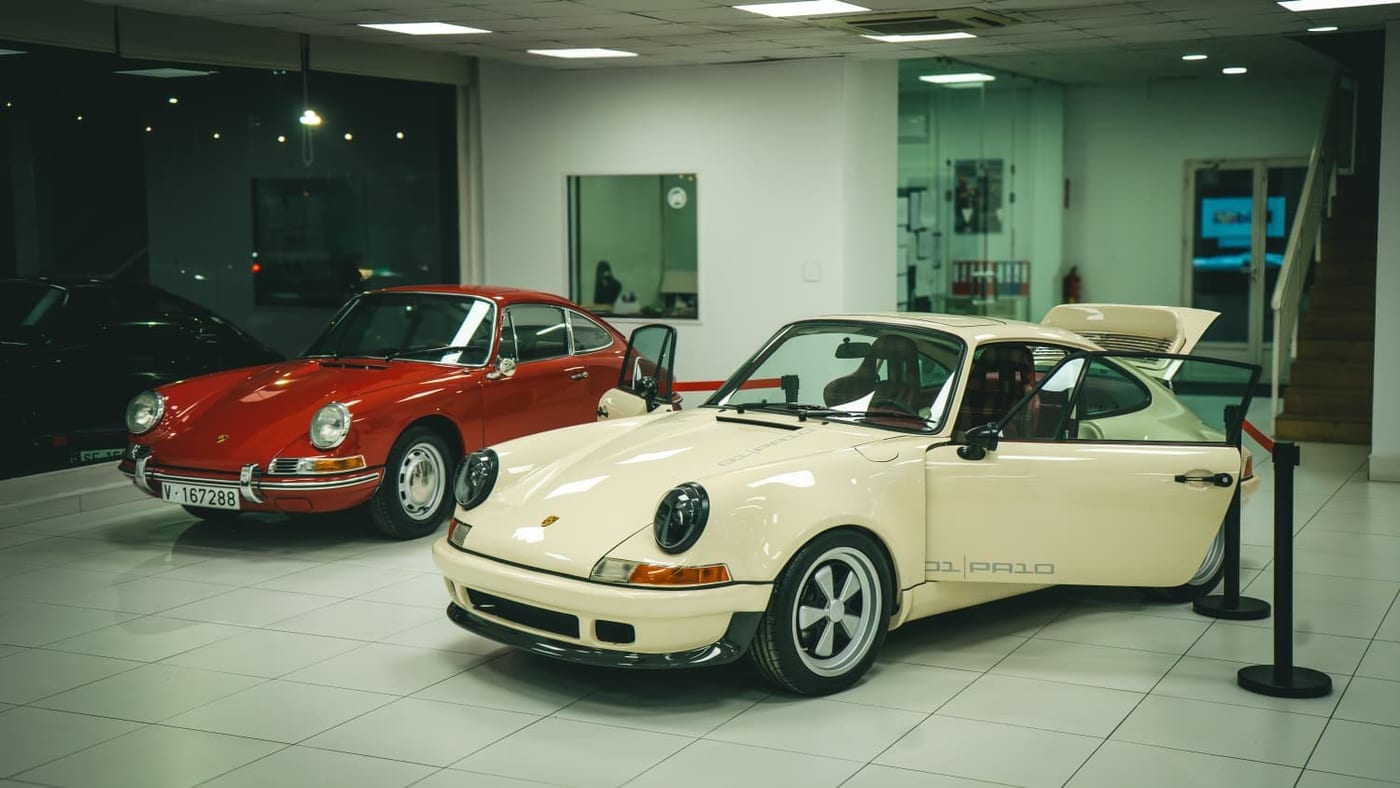
The ideas lab
Before a project reaches the workshop, it passes through here. This is where the team researches what is being done elsewhere, compares solutions with other professionals, and tests components before installing them in a client's car.
This department produces the proprietary parts that end up in race cars and drives the design decisions for restomods.
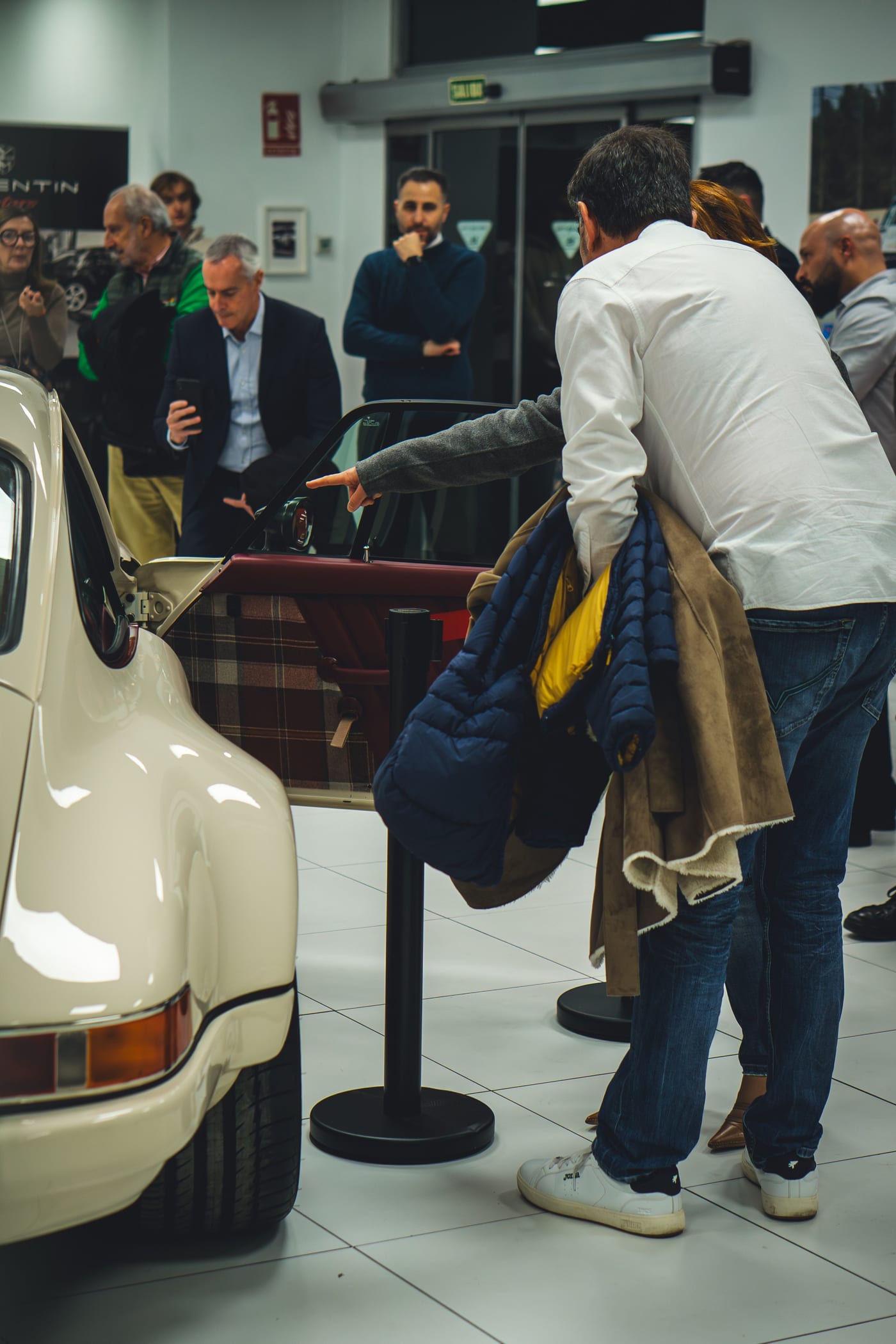
From idea to specification
The project department turns a general intention into a specification that the workshop can execute and the client can evaluate before work begins.
- Intended use.
- The available base vehicle.
- The car's condition.
- Aesthetic references.
- Target performance.
- The budget.
- Homologation/Road legality.
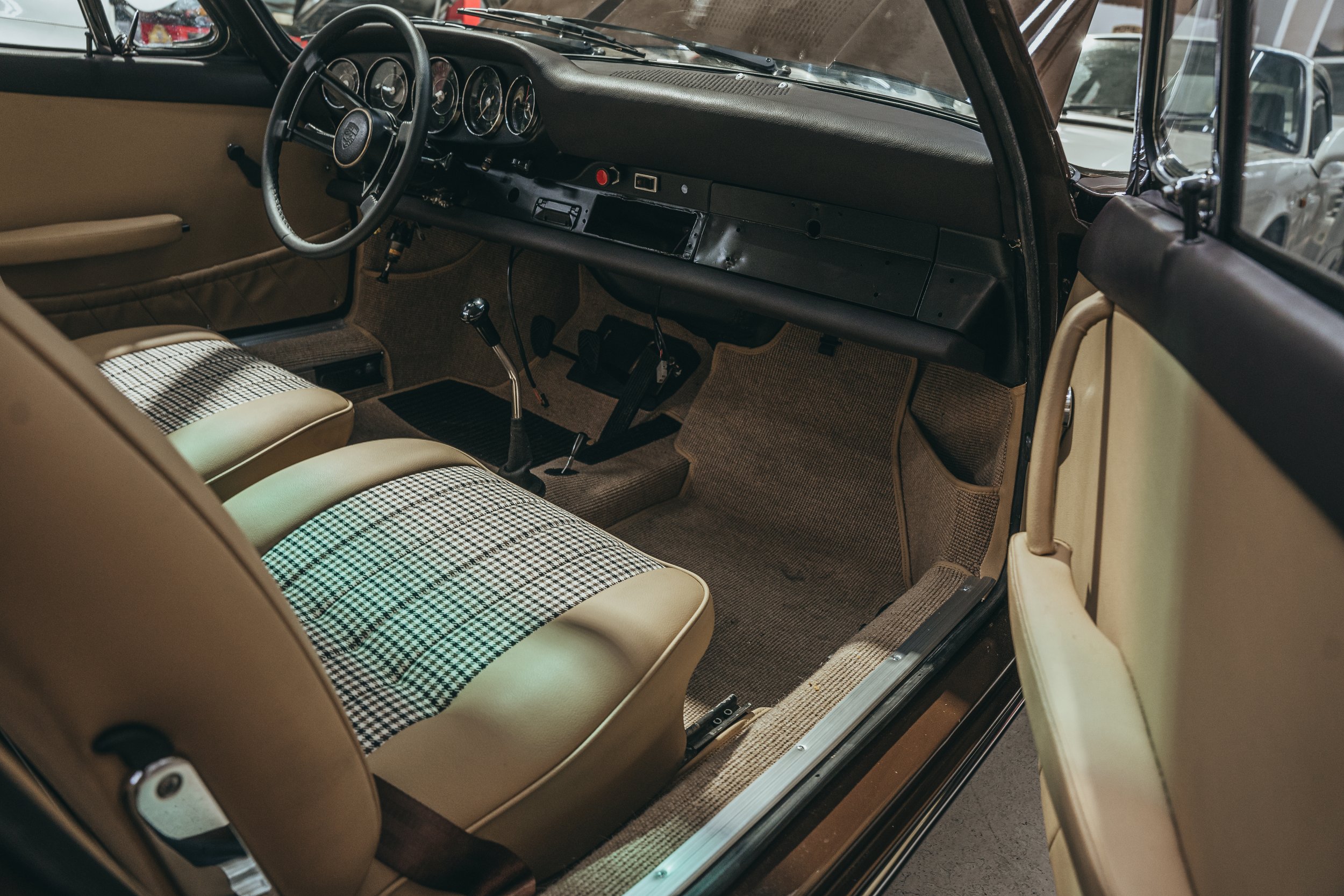
Designing means making choices
Alternatives, compatibility, parts, manufacturing, and workflow sequences are all studied. For complex projects, decisions are also made regarding what needs to be tested before final installation.
Designing involves making choices. Justifiable solutions are prioritized to ensure that a collection of good parts doesn't result in an incoherent car.
What is defined before touching the car
The project is finalized on paper before it begins in the workshop—not the other way around.
- The intended use and the performance requirements justifying it.
- The available base vehicle and its actual condition.
- Aesthetic references and their scope.
- The workflow sequence and interdependencies.
- The phased budget and outstanding decisions.
The presentation of the PA10/01
The Magazine showcases the work and photographs of this documented case.
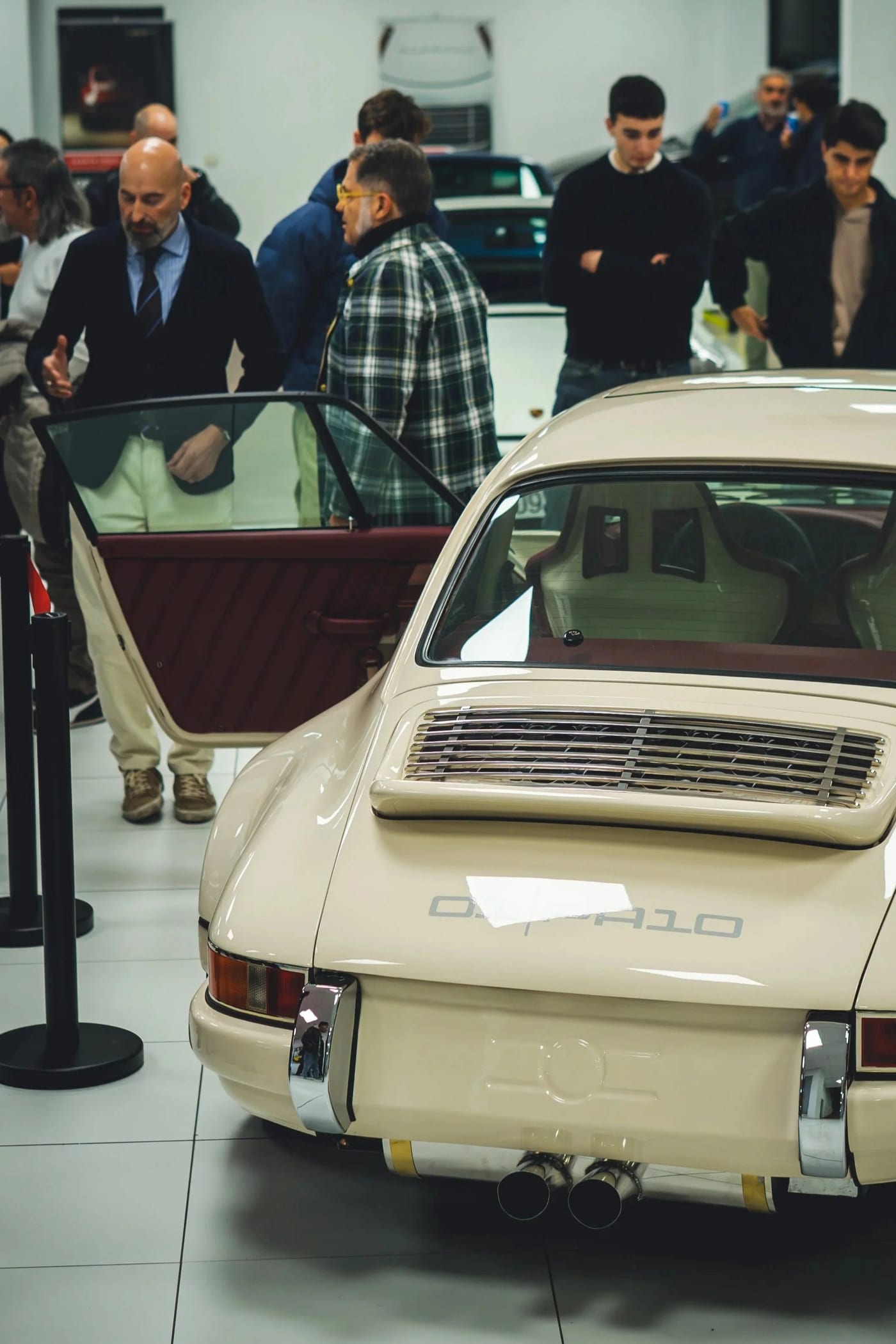
A phased scope of work
A clear, phased scope of work linked to technical, aesthetic, and usage decisions—avoiding the need for improvisation during assembly.
Related services
Depending on the car's condition and the objective, the work can be coordinated with restorations, customization, or builds.
Frequently asked questions
01 Do you need to have a fully finalized idea?
No. You simply need to explain how you intend to use the car and what features you wish to preserve. The initial phase of the work involves translating preferences into comparable decisions.
02 Is the budget part of the design?
Yes. It influences materials, scope, and phases. Discussing it at the outset prevents designing a project that would later need to be undone in order to be executed.