Preventive Porsche IMS repair
Preventive replacement at a fixed price
We replace the intermediate shaft bearing on M96 and M97 engines at a fixed price for models from 1997 to 2006, with both manual and automatic transmissions. We have performed this procedure dozens of times, covering all three bearing revisions installed by Porsche.
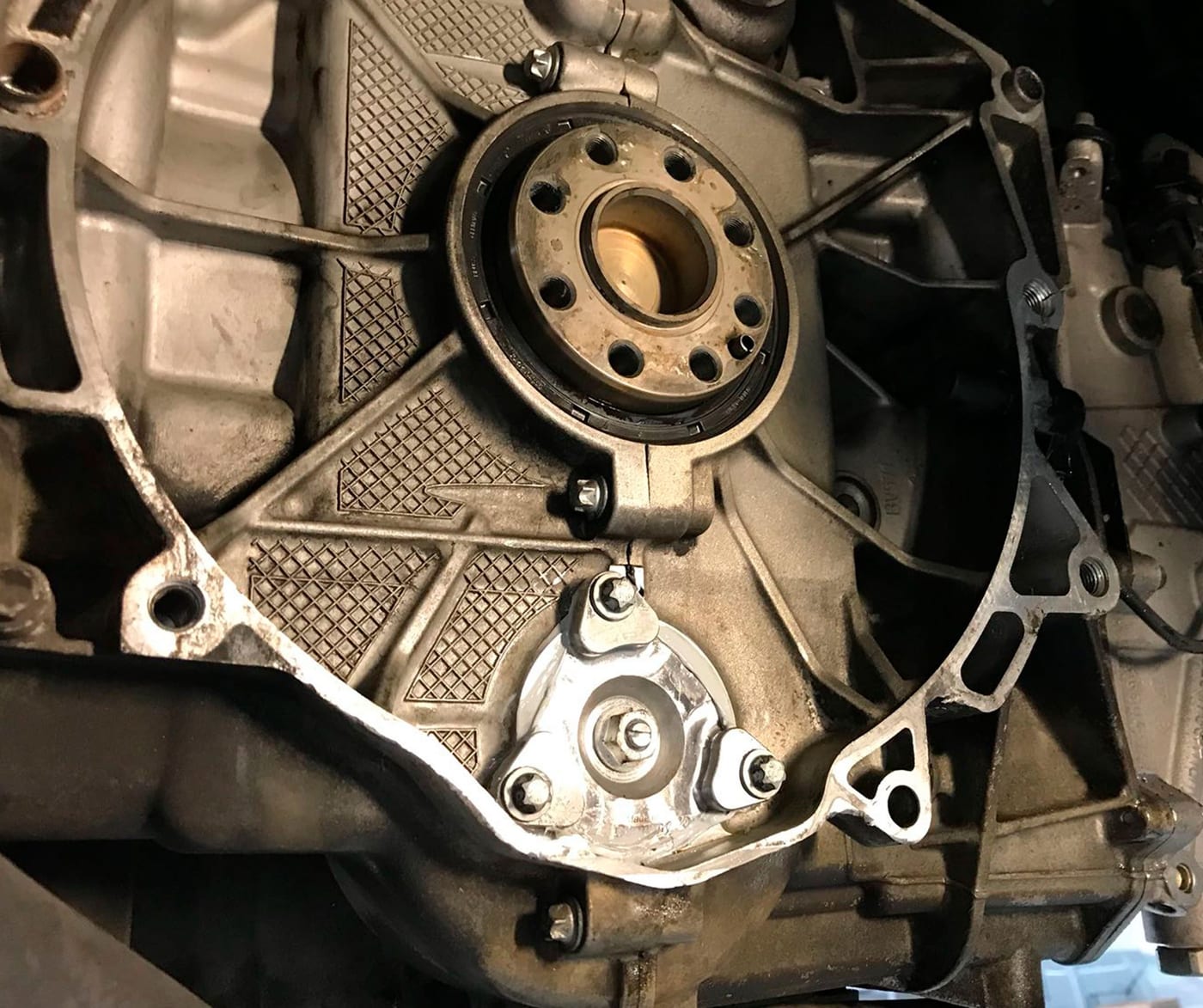
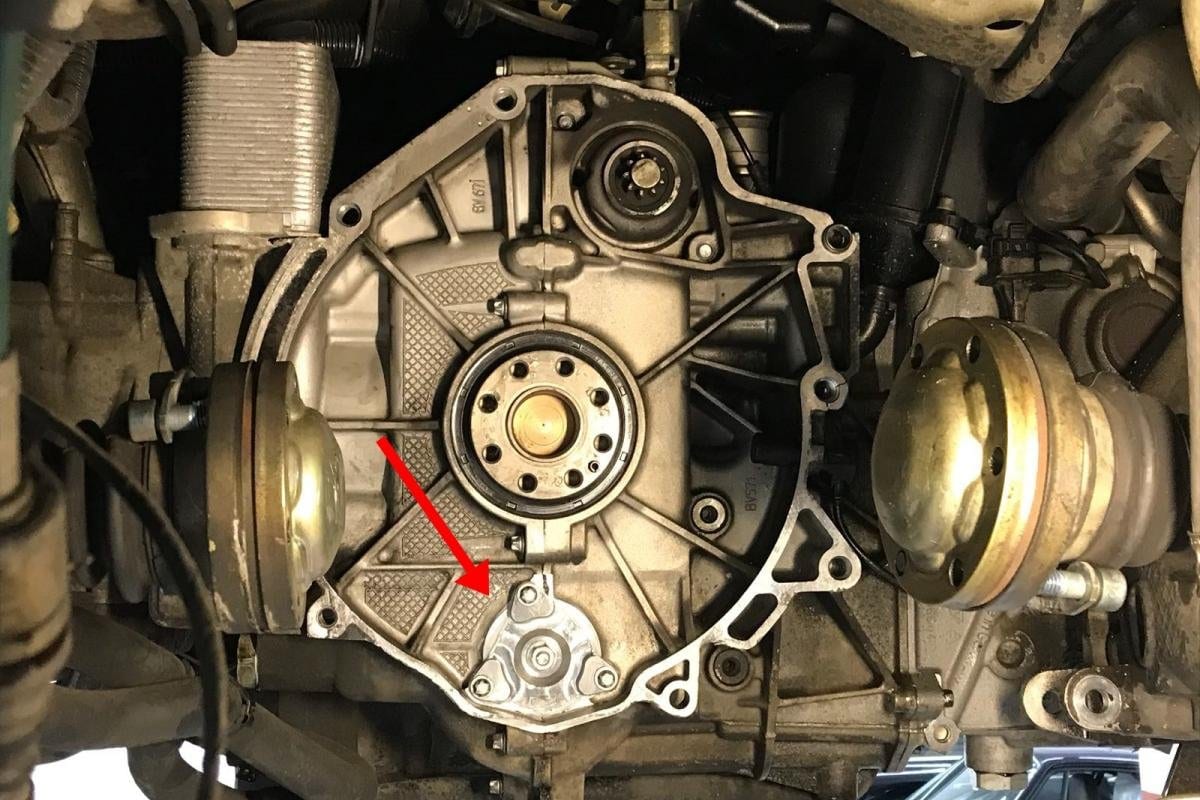
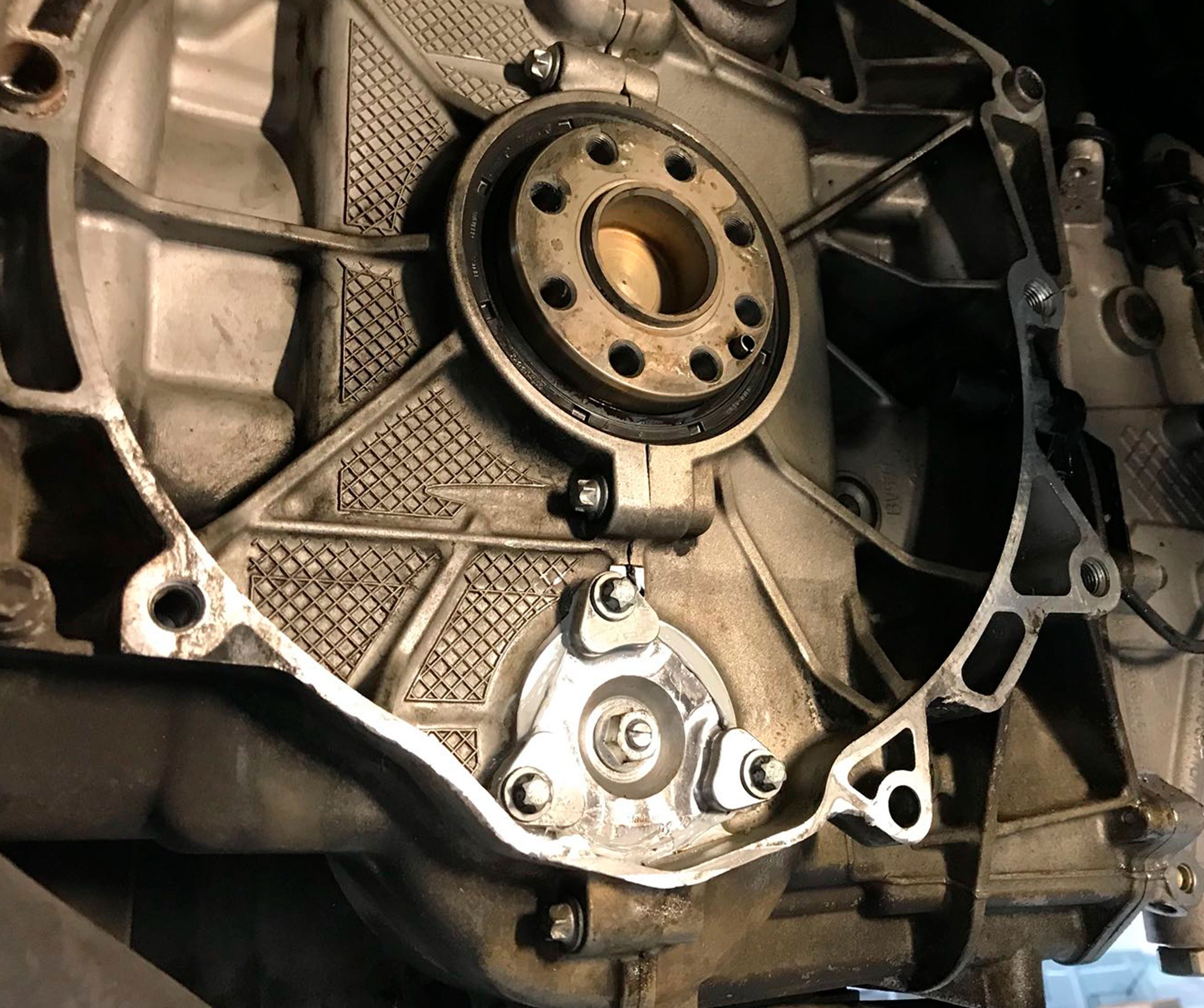
Preventive replacement does not require opening the engine block: the transmission and the flywheel or flexplate are removed, and the bearing is accessed via the flange. The engine is not disassembled, keeping the cost reasonable compared to the expense of a failure.
Identifying the bearing before starting work
The IMS procedure begins by identifying the specific bearing for the model, year, and—in transition years—the engine number.
- Car configuration.
- History.
- Oil and filter.
- Noises.
- Inspection of the installed bearing upon access.
Scope of the preventive service
The published preventive service targets M96 and M97 engines, as well as models where the bearing can be replaced without opening the engine block.
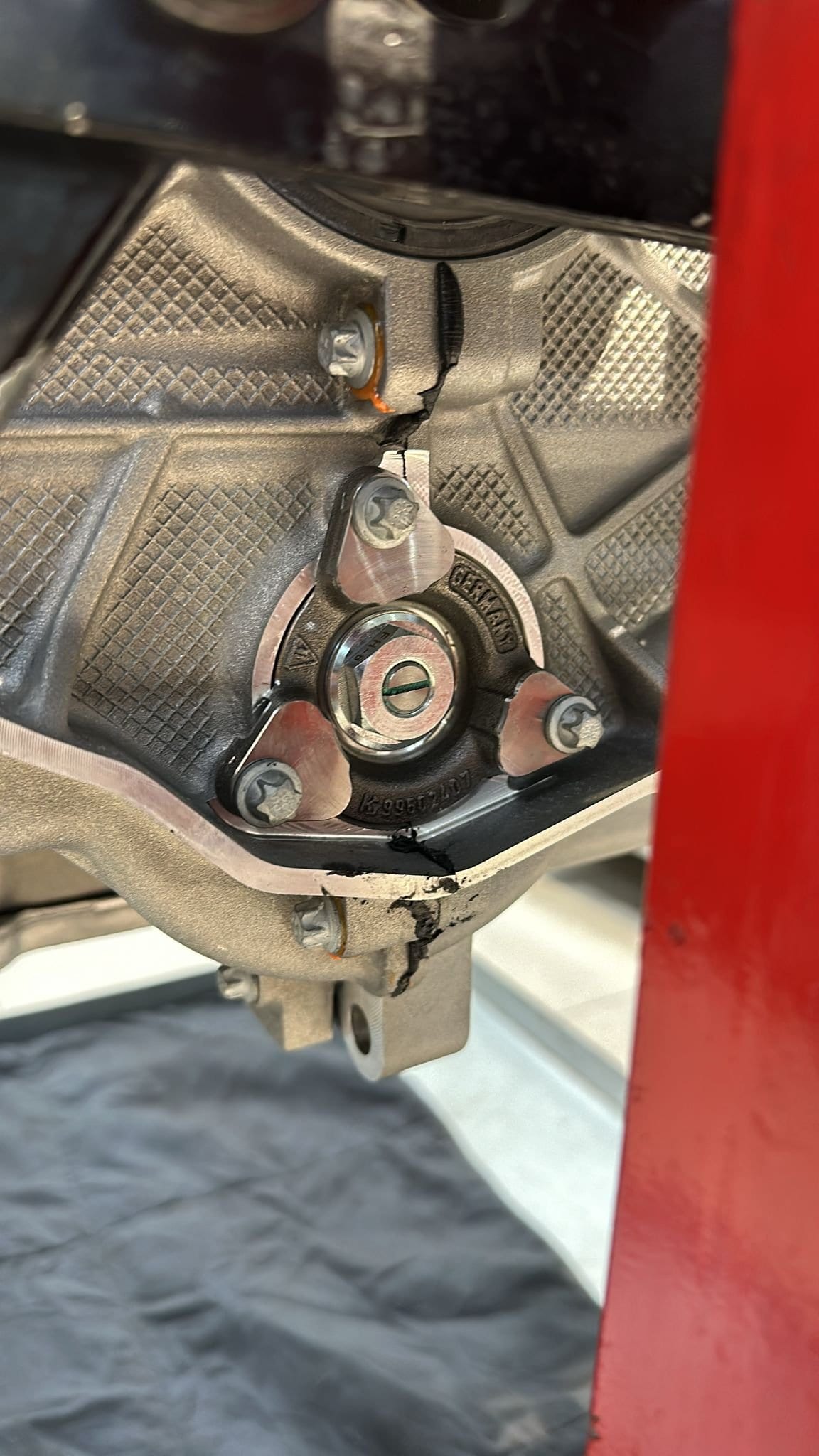
Not all IMS units carry the same risk or allow for the same type of intervention. If metal particles or noise are already present, the preventive approach is halted, and the damage is assessed before restarting the engine.
When it is worth doing
The failure affects the 911 (996 and 997.1 generations), the Boxster (986 and 987), and the Cayman, spanning the years 1997 to 2008. Not all models use the same bearing, and that is the key difference: the single-row 6204 bearing installed between 2000 and 2005 has shown the highest failure rate, yet it is also the easiest to replace.
If the car you are interested in falls into that group and there is no record of any work having been done on it, preventive replacement is the low-cost option. If the engine is already making noise or metal particles appear in the oil, the window for preventive action has passed; instead, an assessment is required before starting the engine again.
How to tell if your car is affected
We have published a calculator that provides answers based on the model and year: it indicates which bearing your specific unit is fitted with, whether it can be replaced without opening the engine, and what checks are required. For the transition years—2000, 2001, and 2005—it also asks for the engine number, as two different bearings were used during those periods and the year alone is not enough to distinguish between them.
The calculator does not diagnose the car's current condition. It states what was installed at the factory; the only way to know what is inside now is to open it up.
What the service includes
- Preliminary diagnosis: analysis of the oil and filter, checking for particles.
- Removal of the transmission, flywheel or flexplate, and the IMS flange.
- Replacement of the bearing with the kit appropriate for the specific service level.
- Replacement of the intermediate shaft seal and the clutch, if applicable.
- Reassembly, final adjustments, and road test.
- Mechanical warranty on the work performed.
Learn more about the IMS
How the failure happens, how it is detected and how it is fixed, with photos of a real job.
Where it is done
In Barcelona and Madrid. The work is performed in the workshop; if the engine arrives damaged, it is moved to the engine workshop, where it is opened and evaluated part by part.
Frequently asked questions
01 Is the year enough to know which IMS it has?
Not always. Different revisions can coexist in the 2000, 2001, and 2005 model years, so the engine number helps identify the configuration.
02 Does replacing the IMS require opening the engine?
For units eligible for the preventive procedure, access is gained by removing the gearbox and the flywheel or flexplate. If internal damage already exists, the approach changes.
03 Which models are affected by the IMS?
The 911 996 and 997.1, the Boxster 986 and 987.1 and the Cayman 987.1, with M96 and M97 engines from 1997 to 2008. Turbo, GT2 and GT3 use the Mezger engine, with a plain bearing, and do not have this failure; from 2009 (997.2 and 987.2) the engine has no intermediate shaft.
04 What are the symptoms of an IMS starting to fail?
Metal shavings or particles in the oil filter, a metallic tick at the rear of the engine, leaks from the IMS seal and, in advanced stages, misfires from timing that has slipped. It often gives no warning: that is why it is replaced preventively.
05 How much does it cost to replace the IMS?
It is a fixed-price job that depends on the model and the gearbox, manual or Tiptronic. We give you the price before starting, parts and labour included, and while the engine is separated from the gearbox we check the clutch, the rear main seal and the air-oil separator.
06 Which bearing do you fit?
It depends on the one the engine carries: there are different solutions for the double-row, the single-row 6204 and the large 6305. We use proven replacement kits and, where the engine allows it, pressure-fed solutions that do away with the sealed bearing.
07 How often must the IMS be checked after replacement?
Sealed replacement bearings have a service interval, usually every six years or between 60,000 and 100,000 km depending on the kit manufacturer. Pressure-fed solutions have none. We record it in the history so that it is on file.
08 Does replacing the IMS affect the warranty or the car’s value?
The opposite: a replaced and documented IMS, with invoice, kit reference and mileage, is the first thing any buyer of a 996, 997.1 or Boxster asks about. It is one of the jobs that gives most peace of mind in a sale.
09 Can the IMS be replaced on a Tiptronic?
Yes. The gearbox and the flexplate come off instead of the flywheel and clutch. The price differs from the manual and is also fixed.
10 My IMS has already failed and there are shavings in the engine. Can it be fixed?
Yes, but it is no longer the preventive job: the engine has to be opened, cleaned, the cylinders, crankshaft and timing assessed and the extent of the rebuild decided. We do it in our engine room, with a quote based on what we find.
See it done
Jobs documented in the Magazine, with photos of the process.
 Magazine · Real case
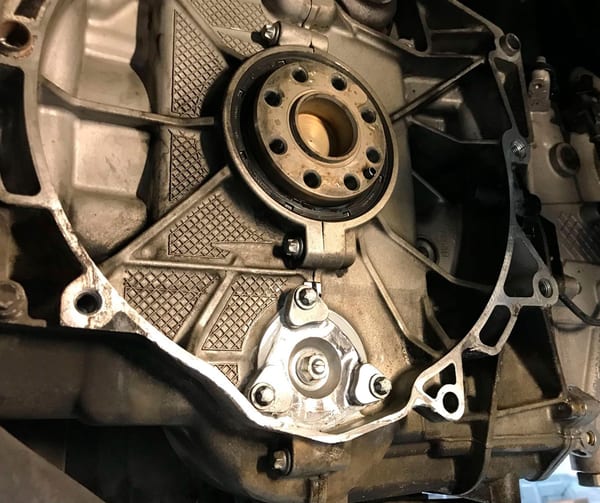
What is the Porsche IMS?
The first generation of the 996/986 series, the M96 and later the M97, has a mechanical weakness in the IMS, the bearing that…
Read the article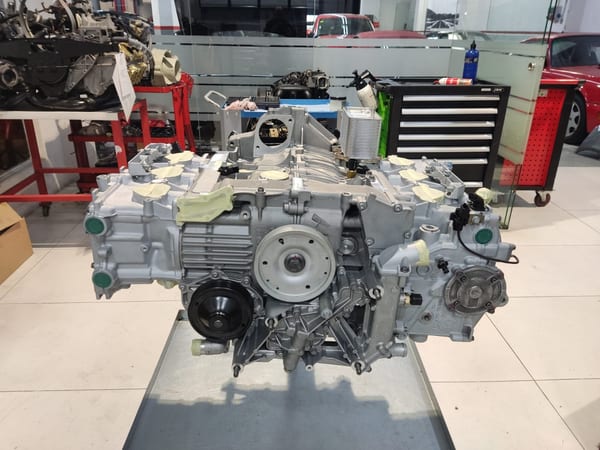 Magazine · Real case
996 M96 3.4 engine repair due to broken intermediate shaft IMS
Engine repair 3.4
Read the article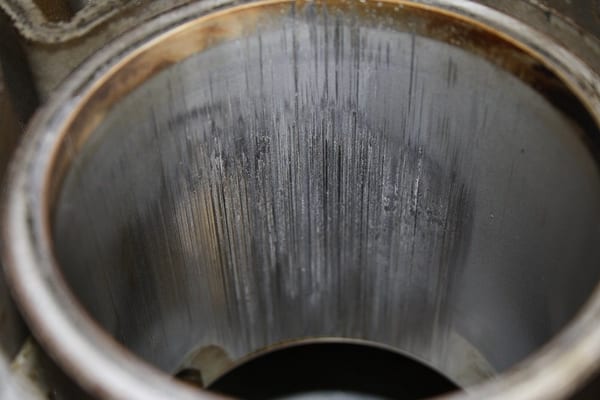 Magazine · Real case
What is Porsche bore scoring?
Bore scoring affects the M97 engines of the 997.1 versions, the GTs aside. It happens when the cylinders wear unevenly, leaving…
Read the article