Comprehensive Porsche restoration based on a unique approach
Complete Porsche restorations, maintaining the highest level of originality
An F-Series 911 with hidden corrosion makes it impossible to finalize the scope of work prior to disassembly.
We restore entire Porsches, aiming for the highest possible degree of originality. Our benchmark is the Porsche Certificate of Authenticity: the document specifying the color, upholstery, and options with which that specific unit left the factory.
A comprehensive restoration is not merely a price quote; it is a conversation. Before dismantling anything, we agree on the project's extent, as the scope determines the outcome and the car's future value.
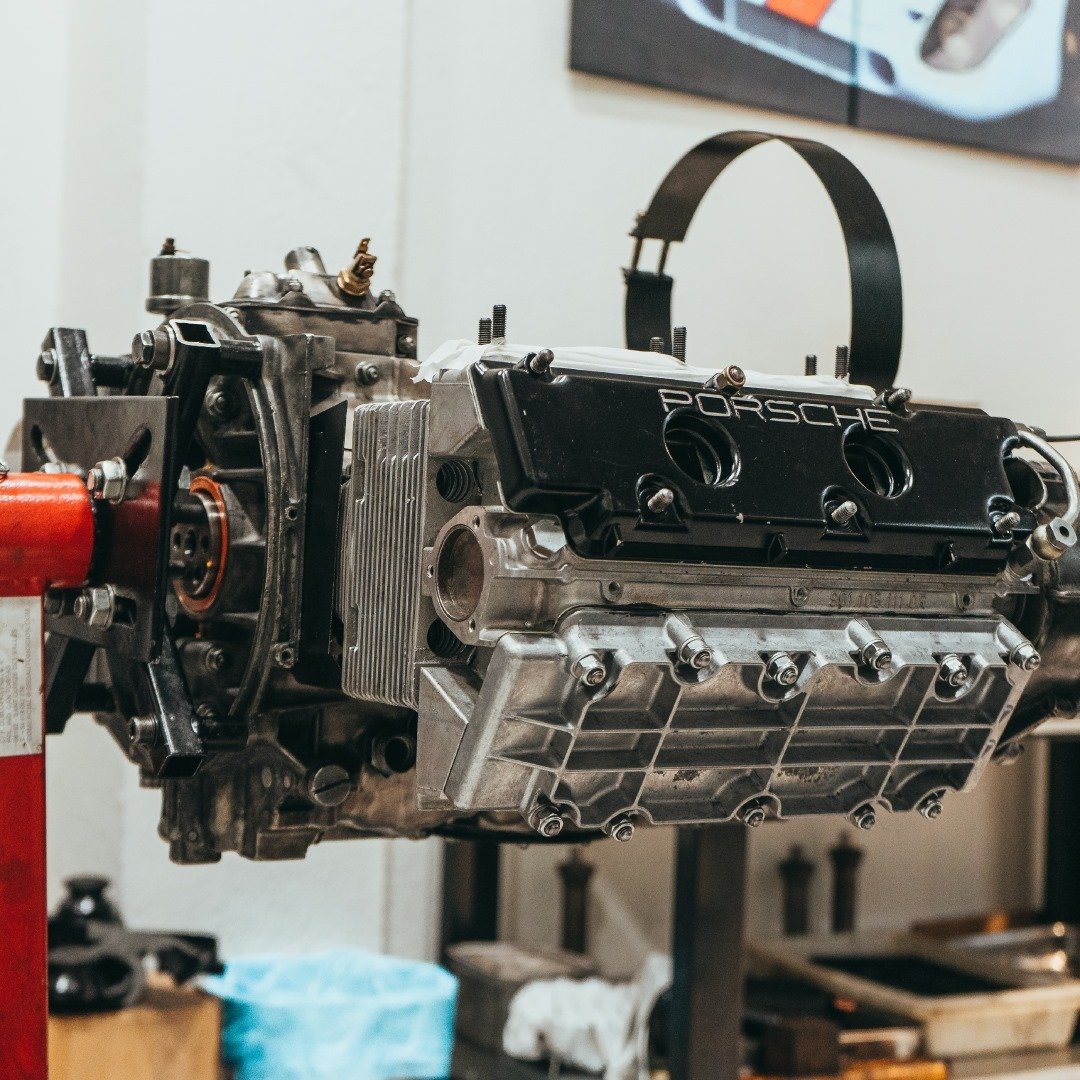
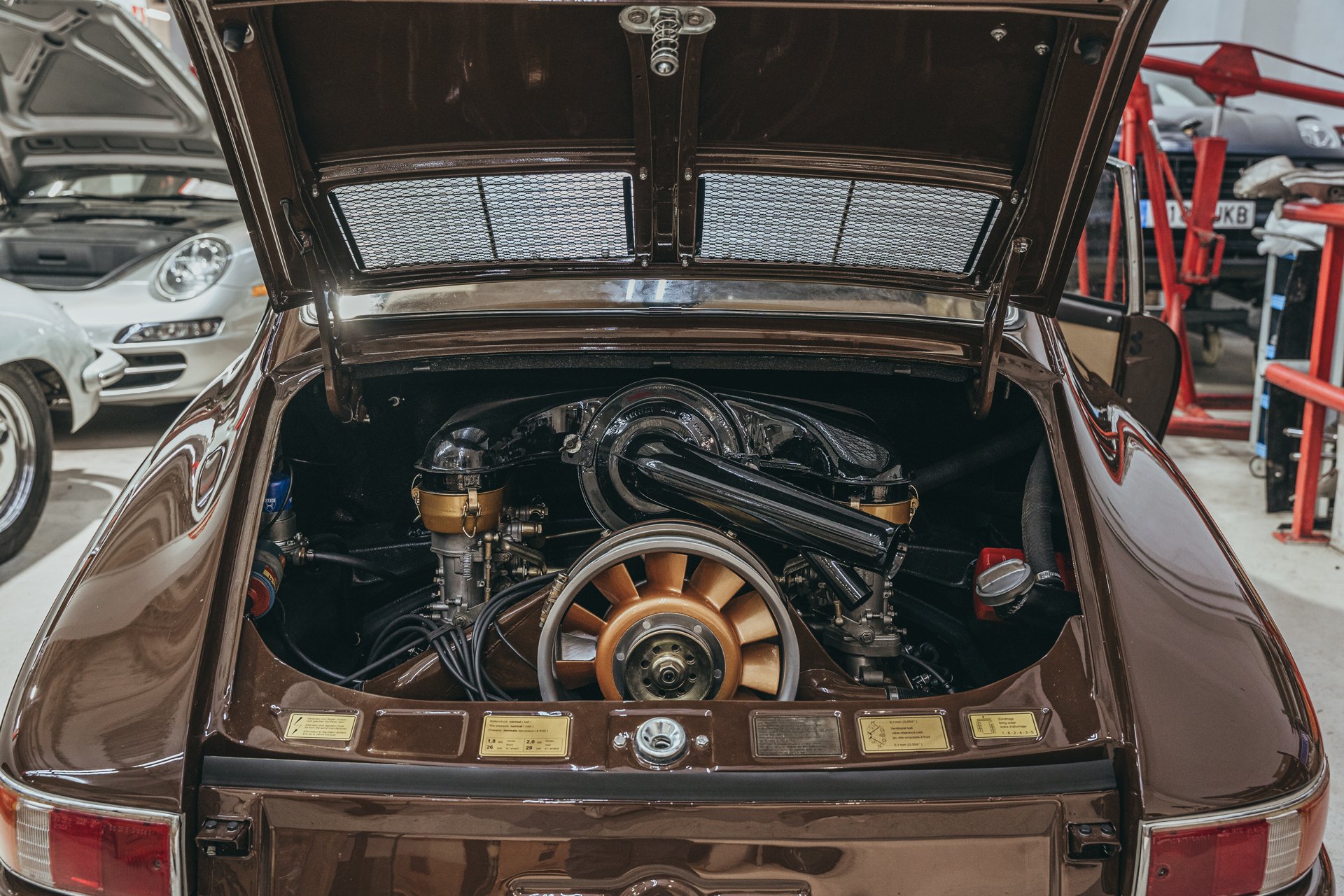
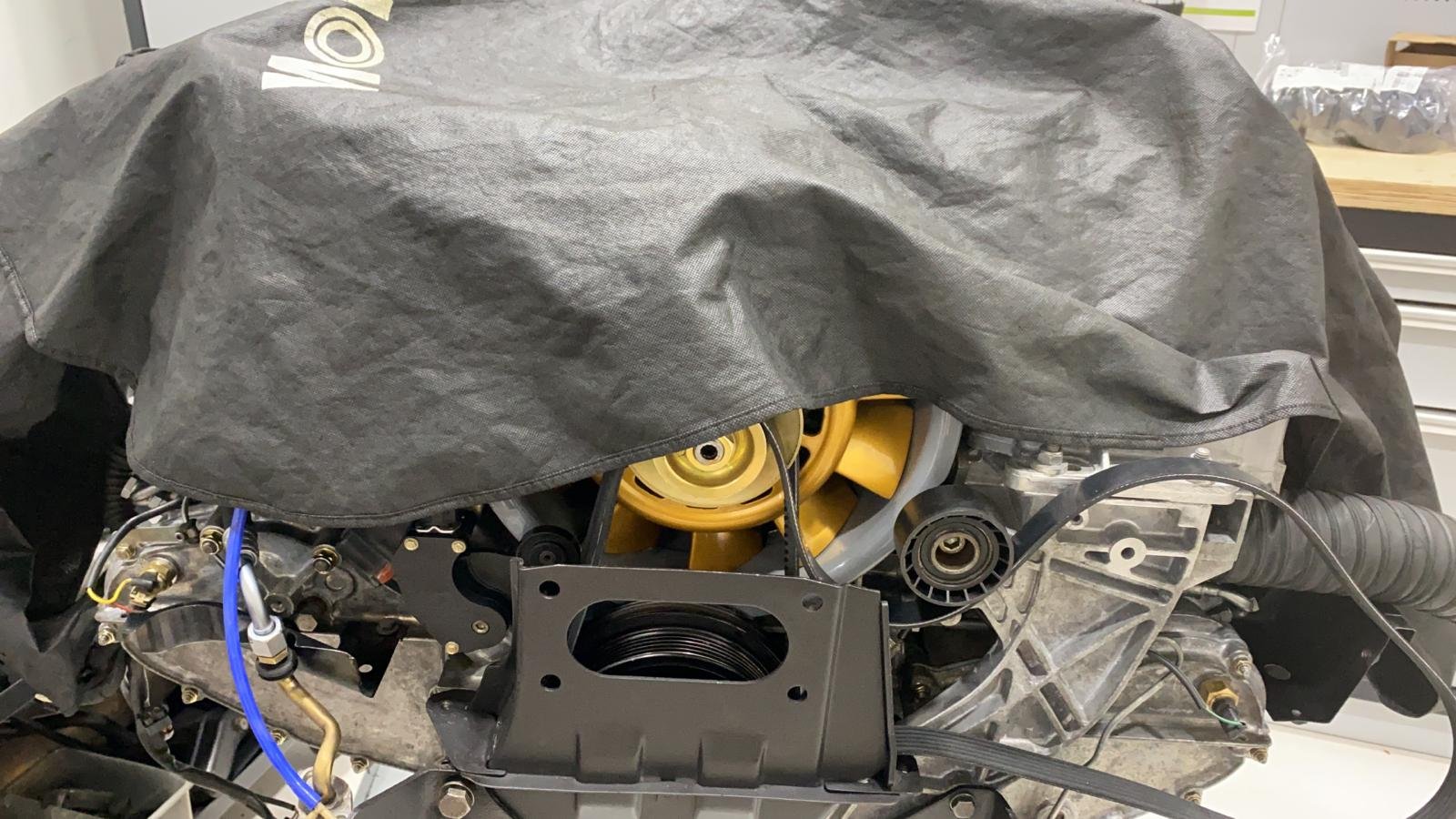
What is cataloged before dismantling
A comprehensive restoration coordinates bodywork, mechanics, electrical systems, interiors, and documentation so that one discipline does not later have to undo a decision made by another.
- Numbers and components.
- Factory specifications.
- Structural damage.
- Corrosion.
- Previous repairs.
- Missing parts.
- Parts availability.
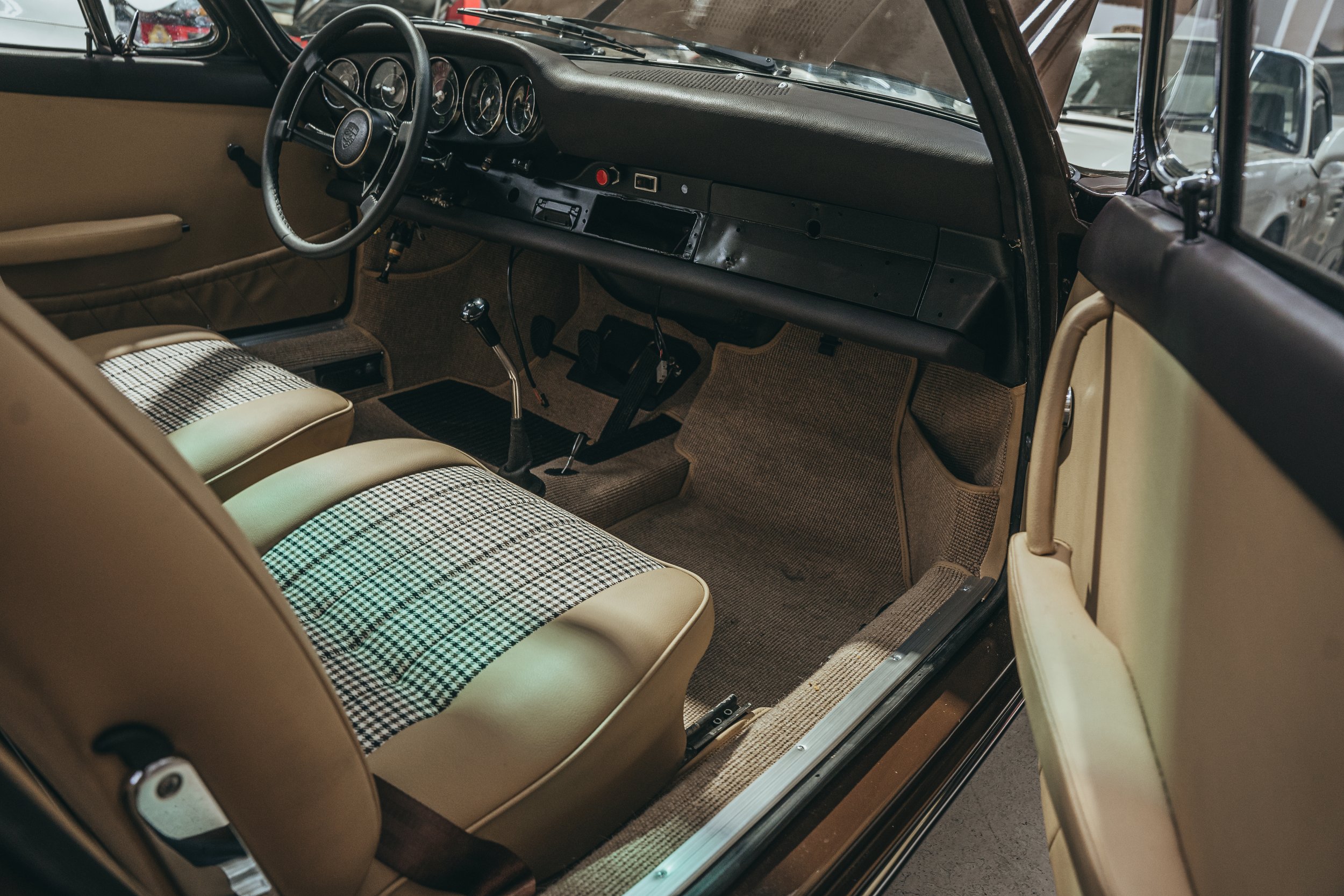
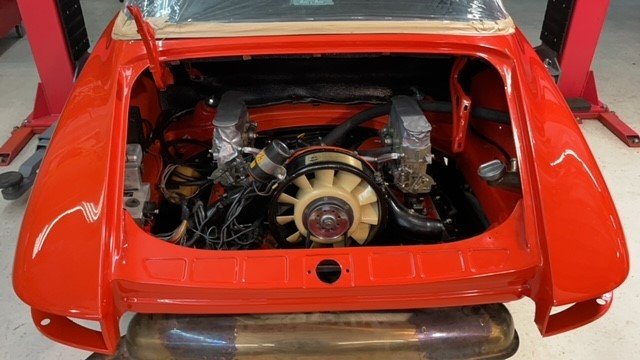
Preserve, repair, or replace
Complete dismantling and cataloging allow us to distinguish between preservation, repair, and replacement. The scope is reviewed when areas are revealed that were not visible while the car was assembled.
The reference point may be the Certificate of Authenticity and the original configuration, although a car intended for frequent use may require different decisions than a collector's unit.
Determining the scope
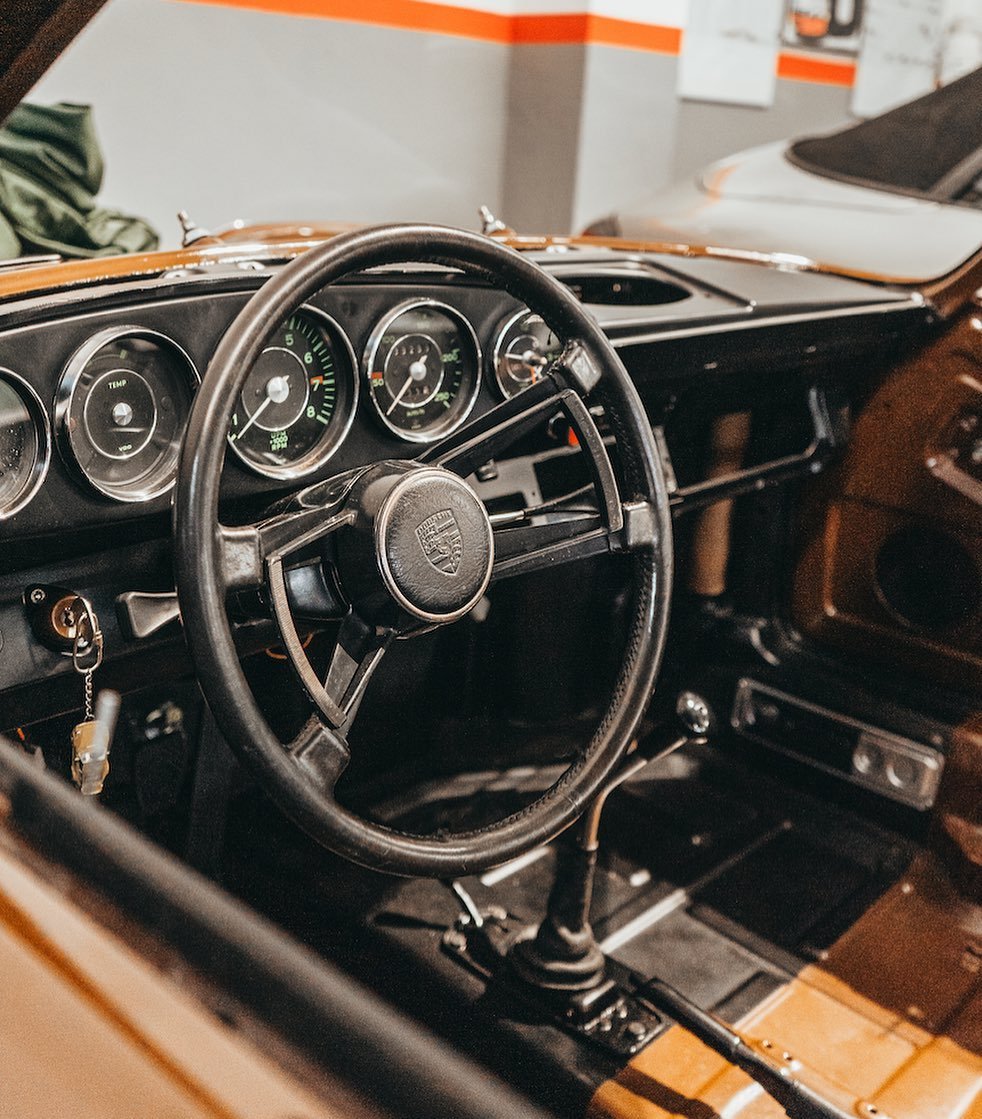
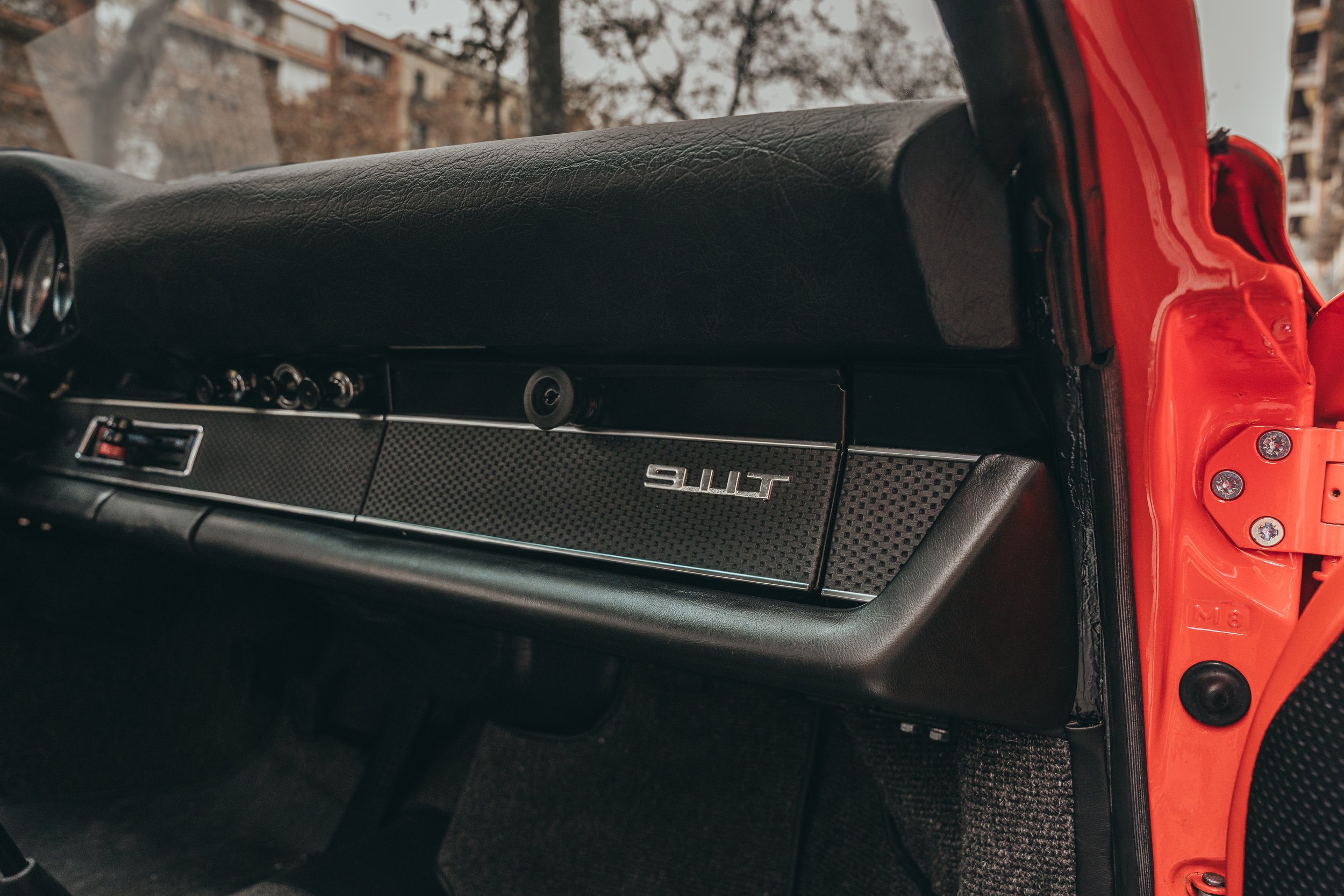
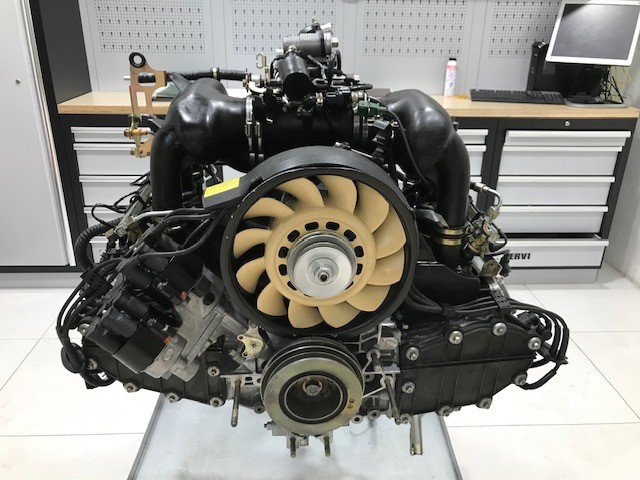
Not all cars require the same approach. For a rare, well-documented unit, originality is paramount, and any deviation detracts from its value. For a car intended for regular use, it makes sense to prioritize reliability—even at the cost of strict factory accuracy—and that is a decision for the owner to make, not us.
What we do not do is start without having had that conversation. Half of the projects that arrive poorly finished from elsewhere started without it.
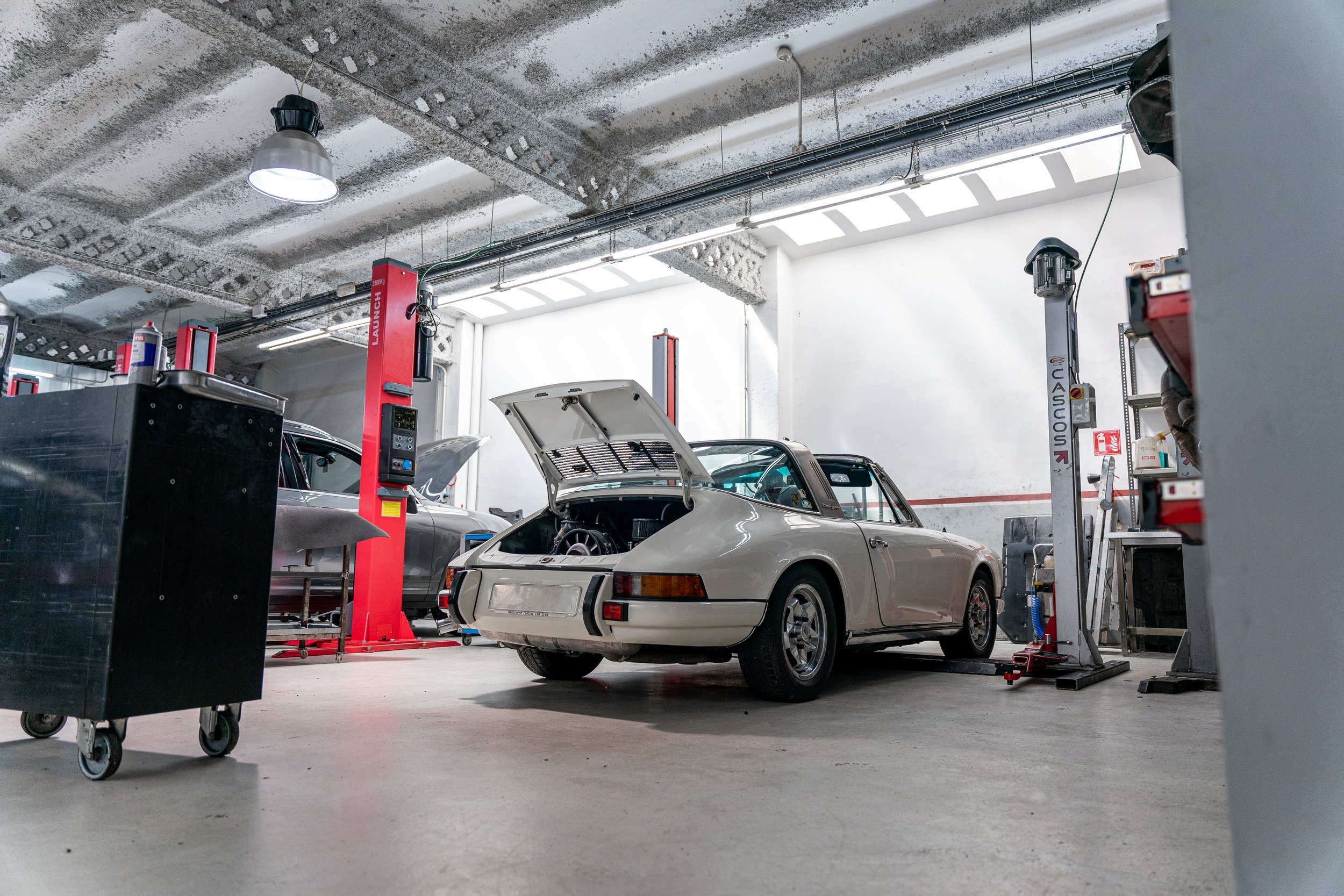
What the project includes
- Complete disassembly and cataloging of every part.
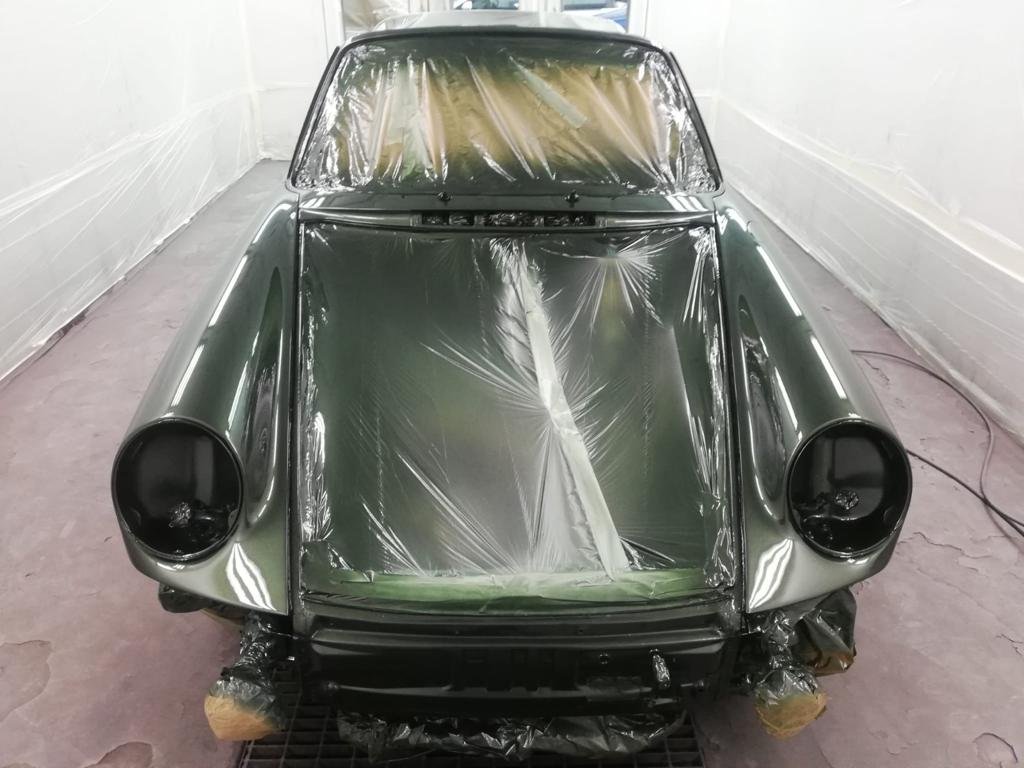
- Bodywork: sheet metal, anti-corrosion treatment, and painting in original colors.
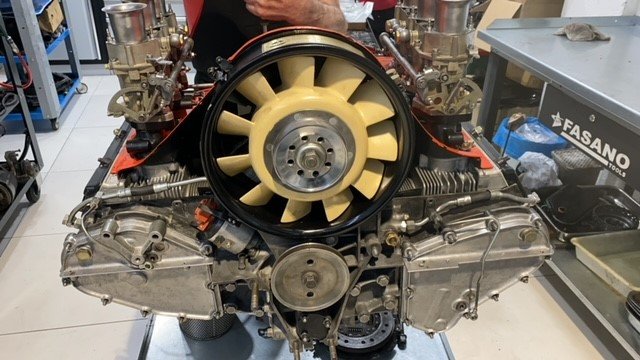
- Engine and transmission, in the engine workshop.
- Electrical system, brakes, suspension, and steering.
- Interior: upholstery using period-correct materials.
- Sourcing parts—which, for a sixty-year-old car, accounts for half the project.
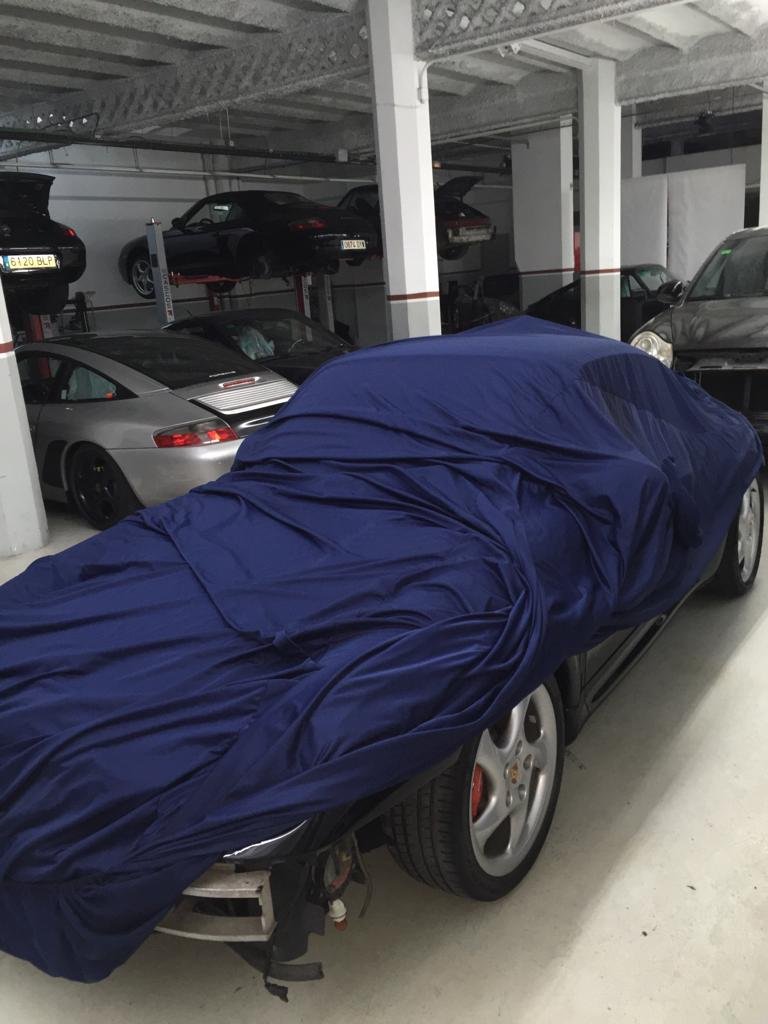
Projects we have already completed
Below are six restorations detailed step-by-step, featuring photos of the process. Among them are a 911 F-series from 1965—which arrived disassembled in boxes after seven years of being moved around—and a 930 Turbo that arrived following an engine-bay fire.
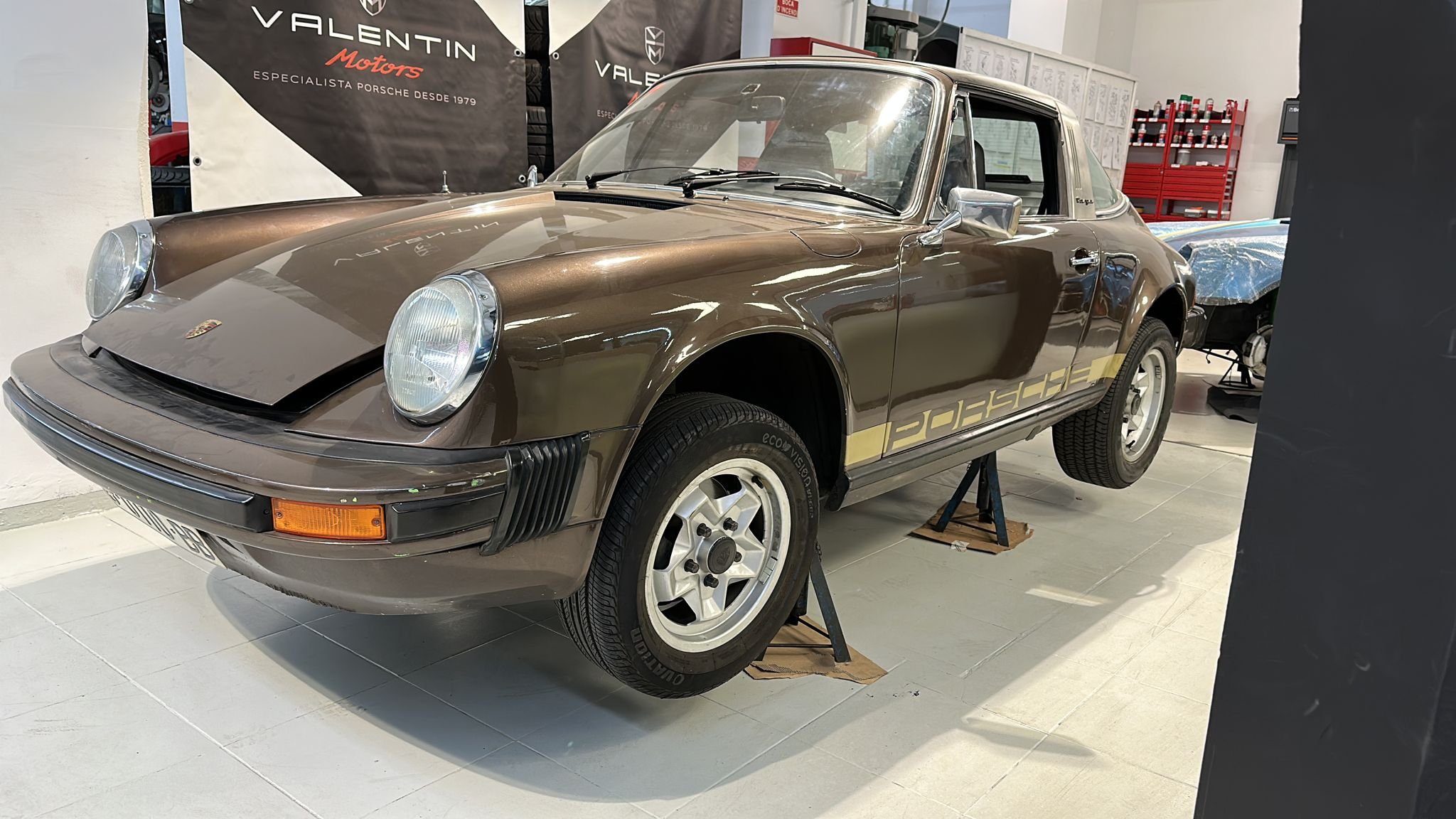
Restoring a 911 from 1965
The Magazine showcases the work and photos for this documented case.
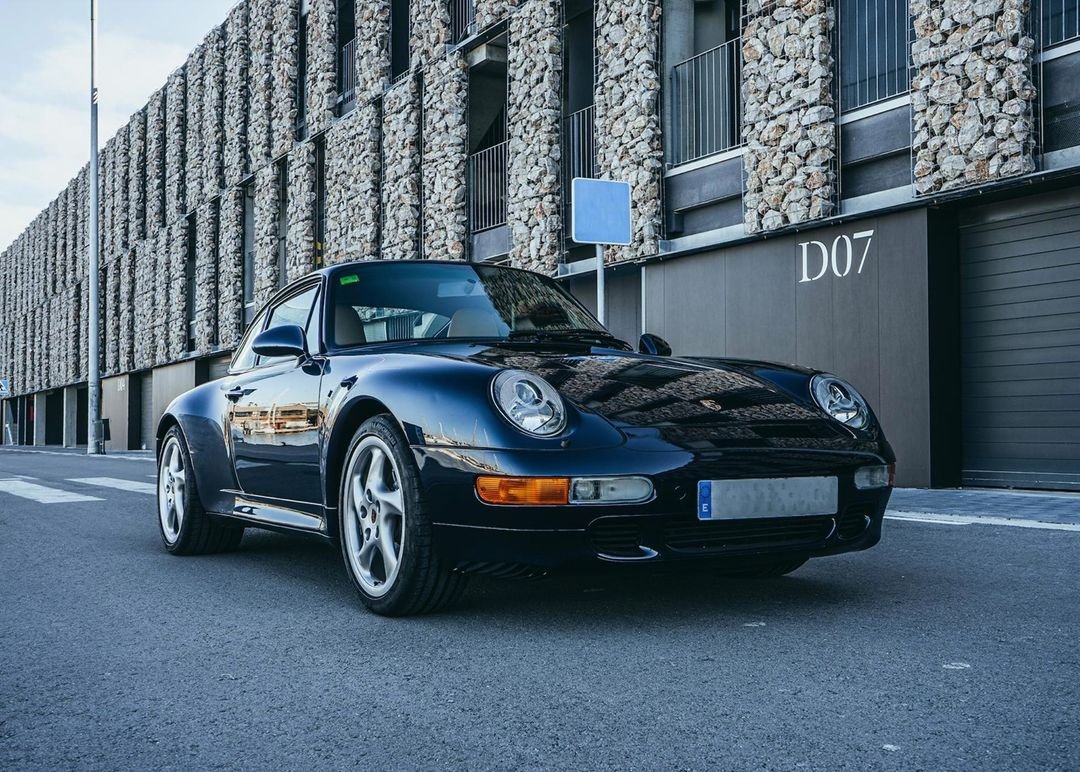
What is recorded
A rebuilt automobile with an organized record of the process, parts, and decisions, tested as a complete unit before being deemed finished.
Related services
Depending on the car's condition and intended use, the work can be coordinated with Porsche restorations, engine work, and body and paint services.
Frequently asked questions
01 Can a full quote be provided before disassembly?
An initial scope can be defined, but hidden corrosion and previous repairs can only be accurately assessed once exposed. Any significant findings are presented before expanding the scope of work.
02 Which parts should be preserved?
Salvageable original parts linked to the car's identity are prioritized. Safety, wear, and availability determine when repair is no longer a reasonable option.
See it done
Jobs documented in the Magazine, with photos of the process.
 Magazine · Real case
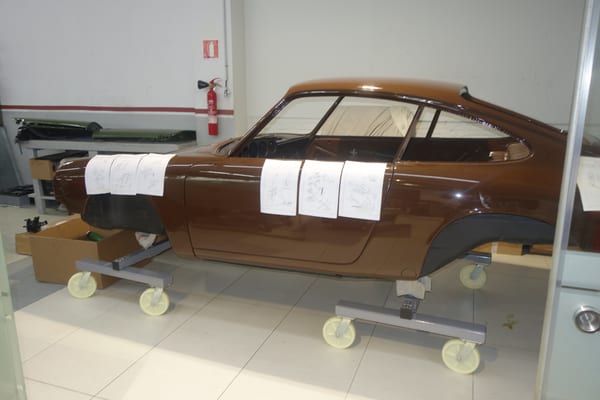
Restoration of Porsche 911 F series 1965
The project arrived in disordered boxes, poorly dismantled and with missing parts after 7 years of moves between workshops.
Read the article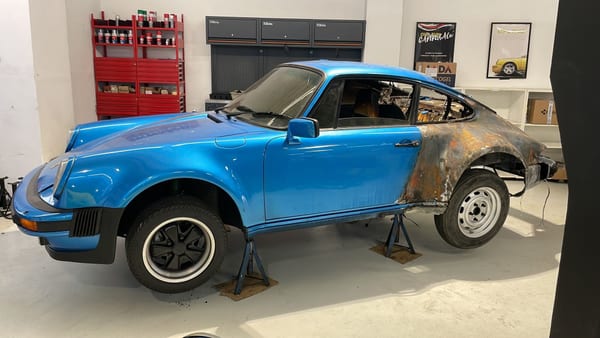 Magazine · Real case
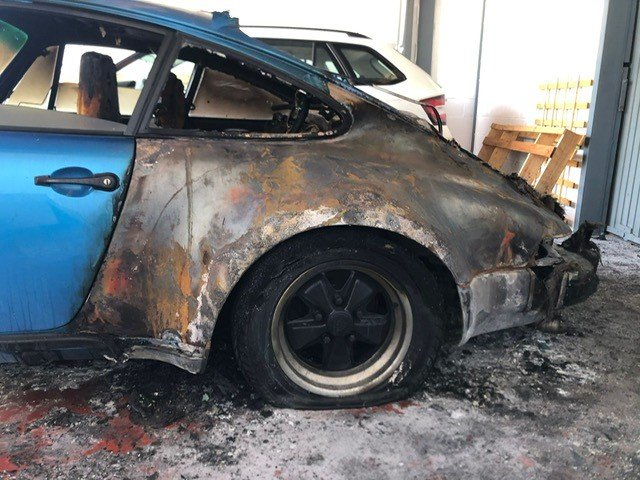
Restoration by fire 911 930 turbo 1975
Follow the restoration of this beautiful 930, which arrived at our facilities after having suffered a fire in the engine area.
Read the article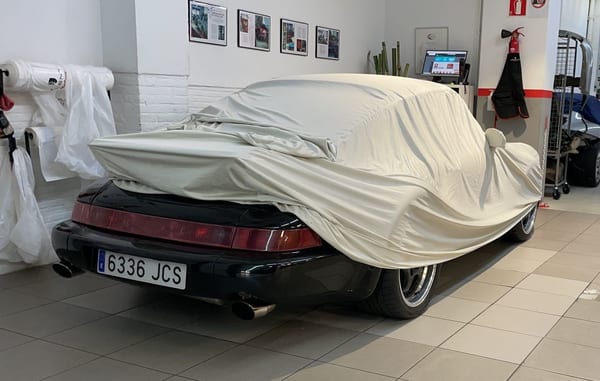 Magazine · Real case
Restoration complete 964 turbo (965) 1991
The order was global and the objective was clear, to return the unit to its maximum splendor but with a special request from the…
Read the article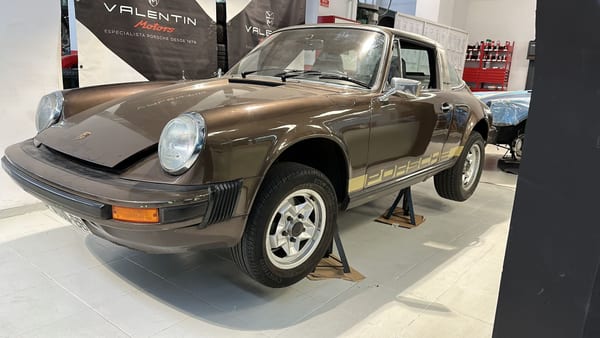 Magazine · Real case
Restoration 2.7 S 1975 national (N8 lime green)
Follow the restoration of this 2.7 s Targa from 1975
Read the article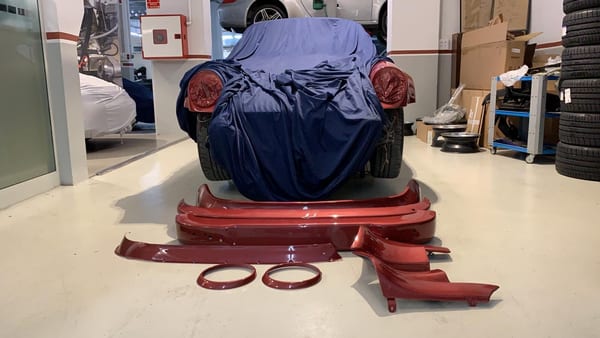 Magazine · Real case
Restoration of Porsche 911 930 Turbo
Restoration of a 911 Turbo 930 from 1988. In this intervention we made the major overhaul of the engine, the transmission, the…
Read the article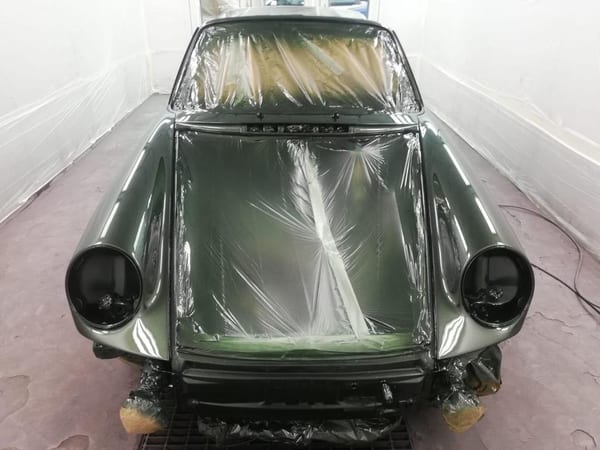 Magazine · Real case
Restoration 3.0 SC Targa 1979
Follow the restoration of this SC Targa from 1979 that we are preparing for sale.
Read the article