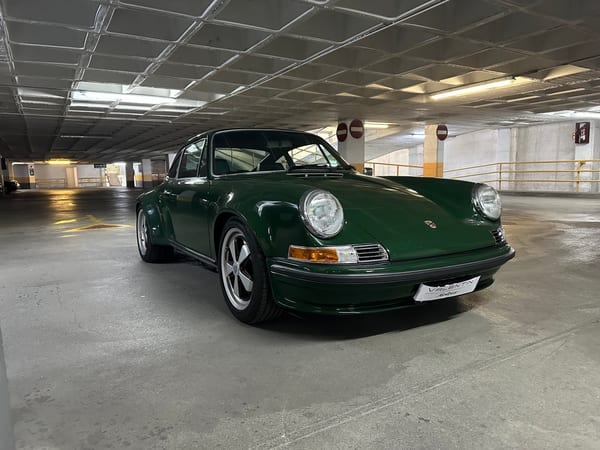
Porsche 911 backdating designed to be driven
What is backdating?
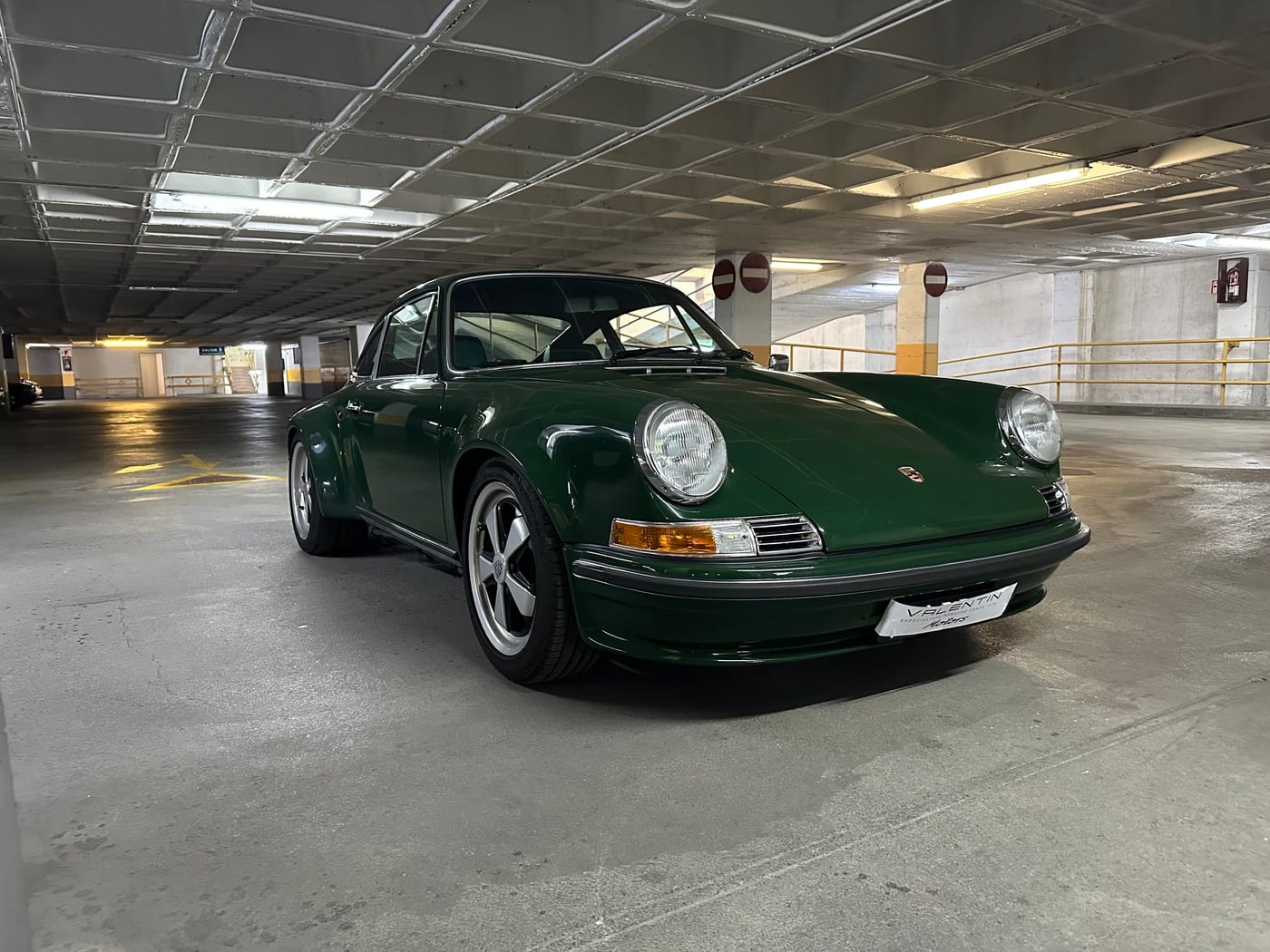
A backdating brings it closer to 911 the look of an earlier generation while retaining the mechanics of its own. The idea is to have the styling of a 1970s car with the handling, brakes, and reliability of a 1990s model.
It works because the air-cooled 911 models shared the same architecture and dimensions for nearly thirty years. What would be a mere disguise for another brand is a genuine fit here.
Why the 964 is the best base
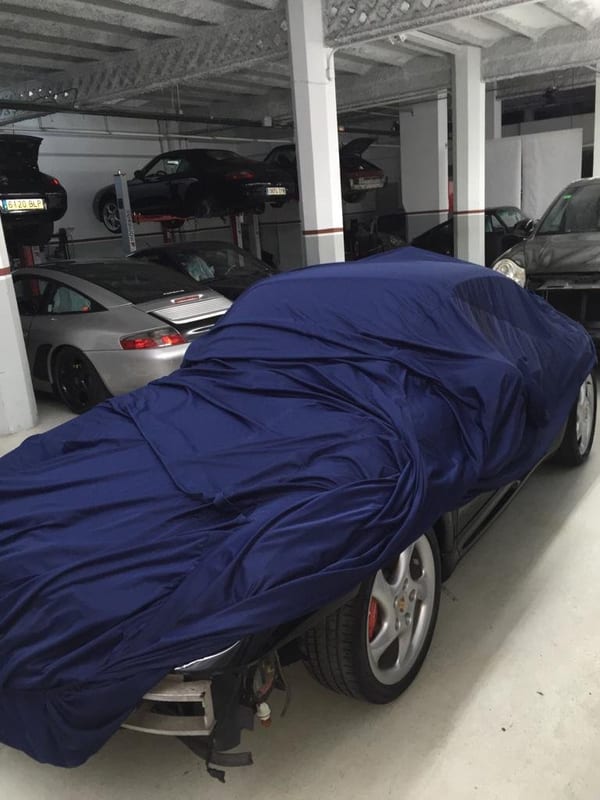
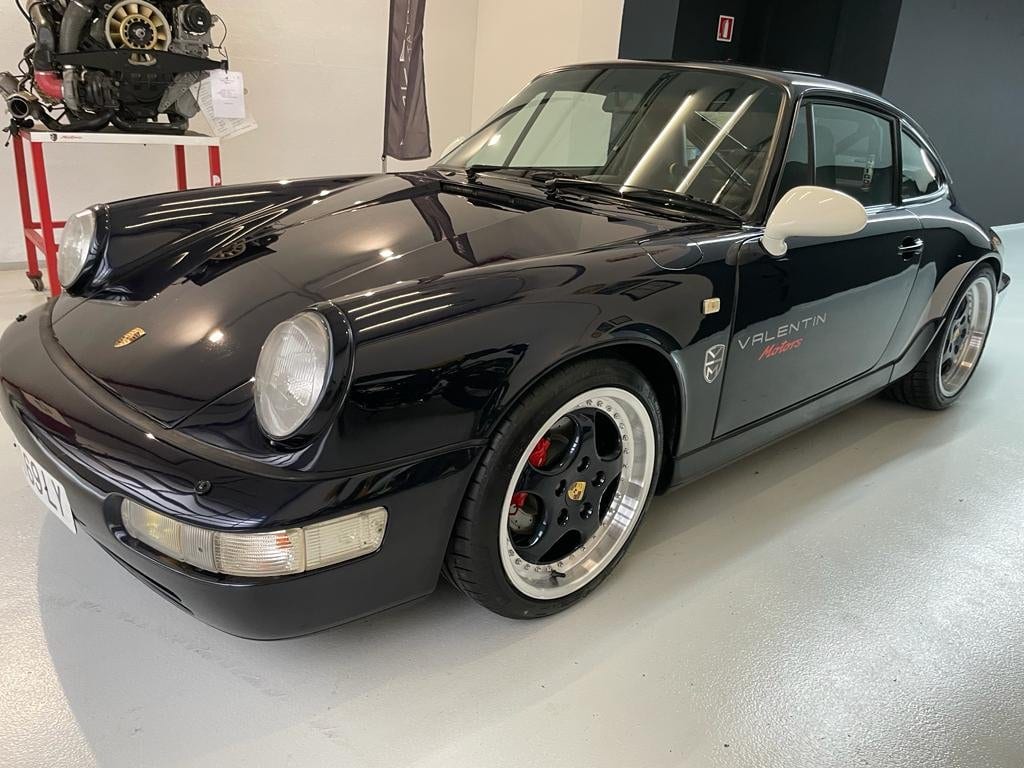
The 964 features a body with the right proportions, modern mechanics suited to real-world use, and ample market availability. You can go a long way with this platform without destroying a rare car in the process.
An SC with air conditioning, or with a 3.2 engine? It’s possible. Each backdating project is defined part by part, and must always be road-legal: a car that cannot be registered isn't a car—it’s a sculpture.
What makes it work
A backdating must appear as a coherent interpretation of a previous 911 while simultaneously retaining the advantages of the base chosen for actual use.
- The starting generation.
- Its structural and mechanical condition.
- The configuration to be recreated.
- Reversibility.
- Homologation requirements.
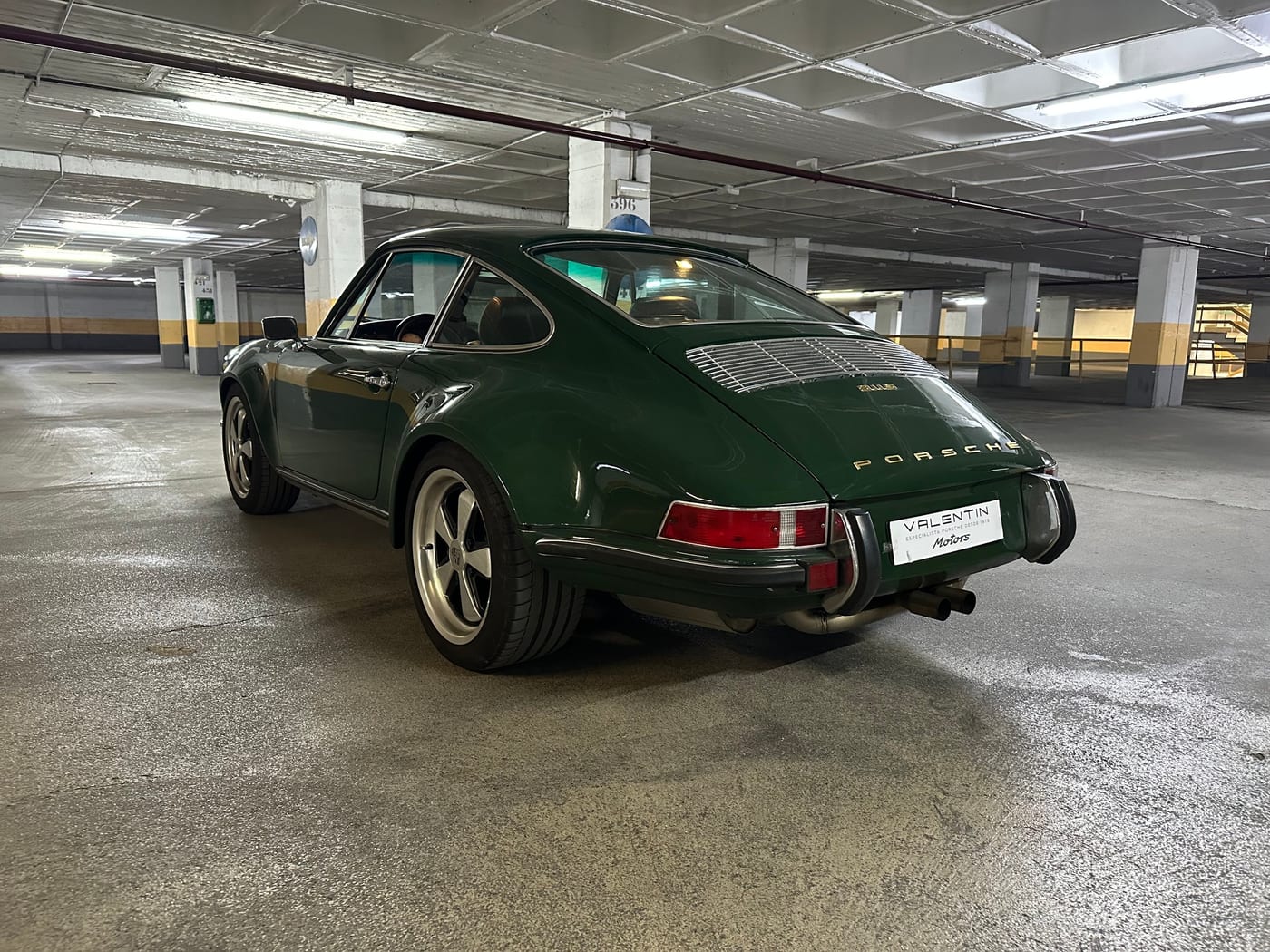
The scope of the project.
Bodywork, lighting, interior, wheels, suspension, and engine can all be part of the project, but not every car requires the same level of modification.
The 964 typically offers a suitable architecture, but the best starting point is a sound, well-documented unit that allows the goal to be achieved without sacrificing a unique example.
What is lost and what is gained.
A backdating project transforms the car in both directions, and both aspects are defined before work begins.
- You gain the aesthetic appeal and—depending on the scope—improvements in weight and responsiveness.
- Factory originality—and the value derived from it—is lost.
- Homologation determines what is road-legal and what is not.
- Reversible work is more complex to execute than permanent modifications.
- The result is judged by coherence, not by the number of period-correct parts.
A backdating project based on the 964
The magazine showcases the work and photos in this documented case study.
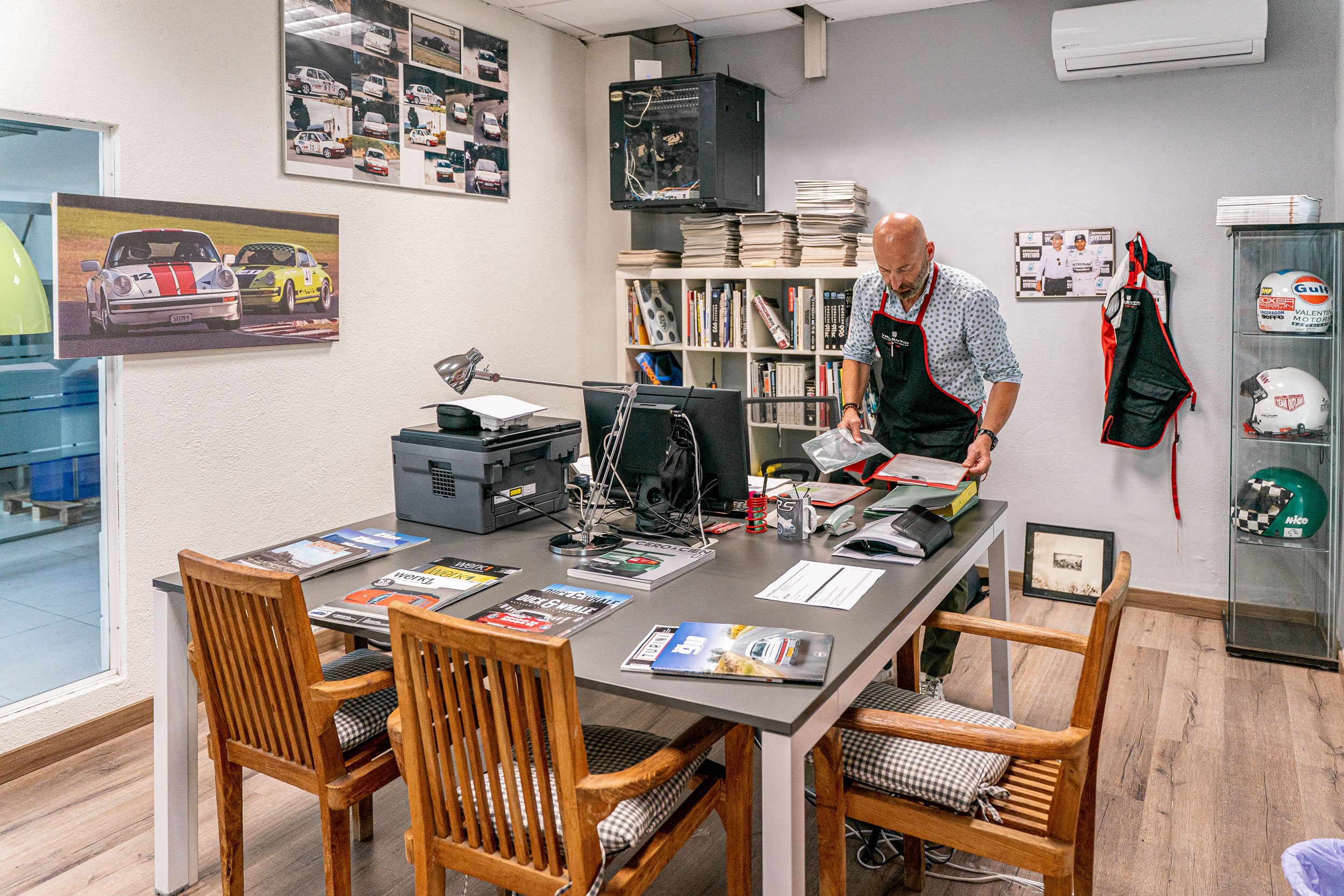
A coherent car, not a costume
A project defined by its specifications, featuring an appearance, driving dynamics, and finishes that all speak the same language.
Related services
Depending on the car's condition and the project goals, the work can be coordinated with design and planning, full restoration, and bodywork and paint.
Frequently asked questions
01 Must you always start with a 964?
No. The base vehicle is chosen based on its condition, architecture, value, and the project's objectives. While the 964 is a common choice, it does not replace the need to analyze the specific unit in question.
02 Is homologation considered at the end?
It shouldn't be. Modifications with legal implications are identified during the design phase to avoid having to remake parts or ending up with a configuration that cannot be registered for road use.
See it done
Jobs documented in the Magazine, with photos of the process.