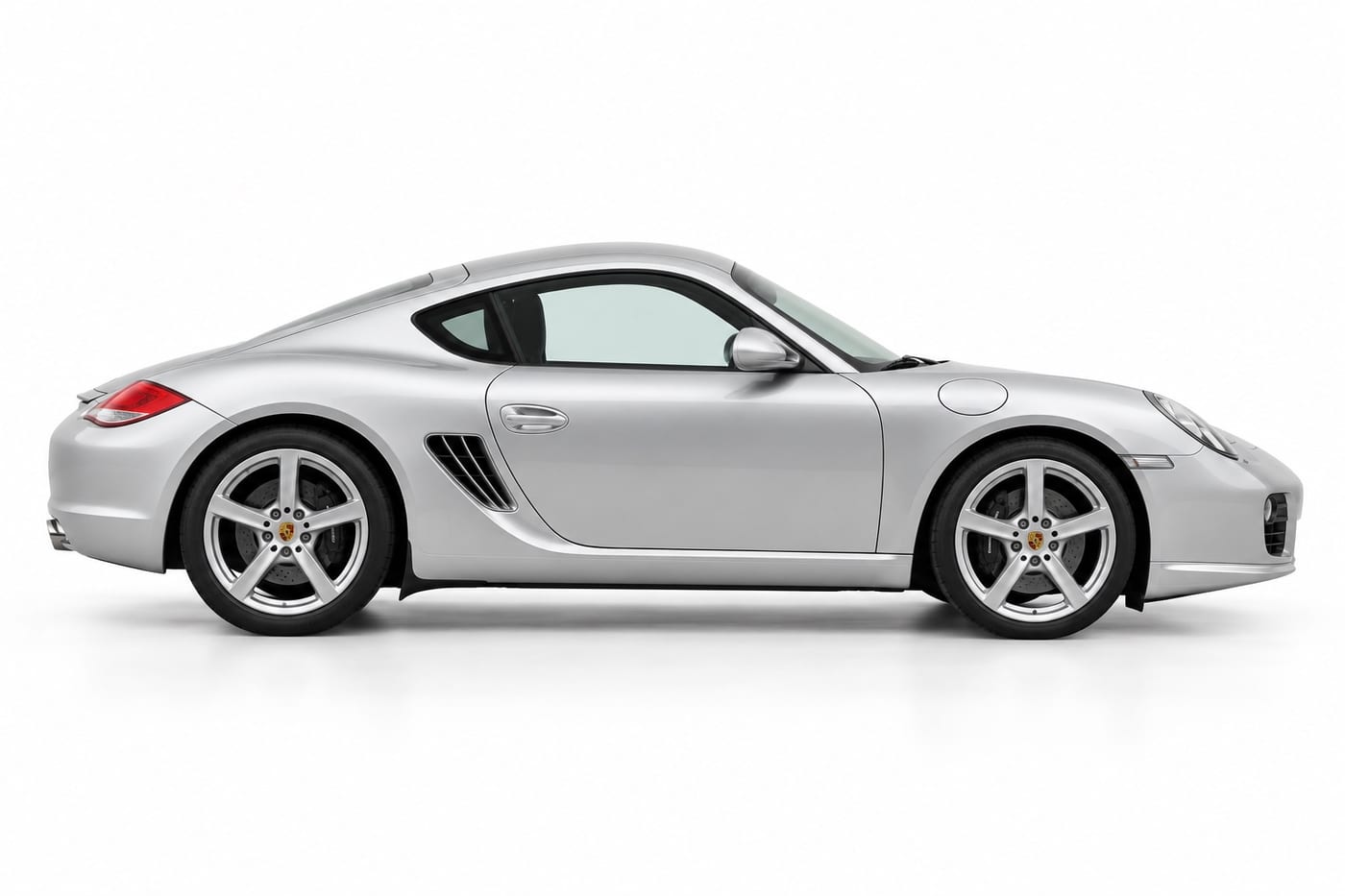
Porsche 987 guide: versions, common faults and buying advice
- Date
- Words
- Enric Godes
How to distinguish 987.1 and 987.2 and what to check in IMS, bore scoring, cooling, PDK, soft top, suspension and track use.
Porsche 987, the reference profile for this generation.
The 987 generation comprises the Boxster and the first Cayman, with a decisive mechanical update. The 987.1 models use M96/M97 engines and manual or Tiptronic gearboxes; the 987.2 incorporate MA1 engines, direct injection in the 3.4 and PDK. Sharing bodywork does not mean sharing the same risk of IMS or the same diagnosis plan.
The mid-mounted engine offers balance and two luggage compartments, but makes some inspections difficult and concentrates front radiators, side intakes and drains in open bodies. A complete pre-purchase requires top and bottom access, diagnosis, oil testing and borescope inspection when the engine or symptoms warrant it.
A well-maintained 987 can be a reasonable everyday sports car. A cheap car with overdue oil changes, clogged radiators, a wet soft top and original suspension racks up several separate bills. The objective is to quantify them before deciding, without reducing the entire purchase to a single acronym.
Porsche 987 at a glance
- Years
- 2004-2012
- Body styles
- Boxster convertible and Cayman coupe
- Engine
- Central six-cylinder boxer, 2,7-3,4 l
- Power
- 240-330 CV according to European version
- Transmission
- Manual, Tiptronic on 987.1 or PDK on 987.2
- Production
- Not published consistently for Boxster and Cayman
Which Porsche 987 should you choose?
Boxster 987.1
2,7 litres, 240 and later 245 CV; Boxster S 3,2 with 280 CV and later 3,4 with 295 CV. The M96/M97 require identifying IMS and evaluating cylinders according to version and symptoms.
Cayman 987.1
Cayman 2,7 with 245 CV and Cayman S 3,4 with 295 CV, later 303 CV in Sport. The 3.4 deserves specific attention to consumption and bore scoring.
Boxster 987.2
Since 2009, 2,9 litres with 255 CV and S 3,4 direct injection with 310 CV. MA1 engines without the previous sealed IMS and optional PDK change.
Cayman 987.2
2,9 litres of 265 CV and S 3,4 of 320 CV. The update reduces some risks, but adds direct injection and does not eliminate cooling, PDK, suspension or age maintenance.
Boxster Spyder
Light version with 320 CV, manual soft top and specific chassis. Check that it retains the cover, mechanism, seats, wheels and equipment, and that the weight reduction does not hide missing parts.
Cayman R
Evolution of 330 CV and lower weight. Authenticity, differential, suspension, brakes, seats and use on the track must be reviewed with the options and diagnosis sheet.
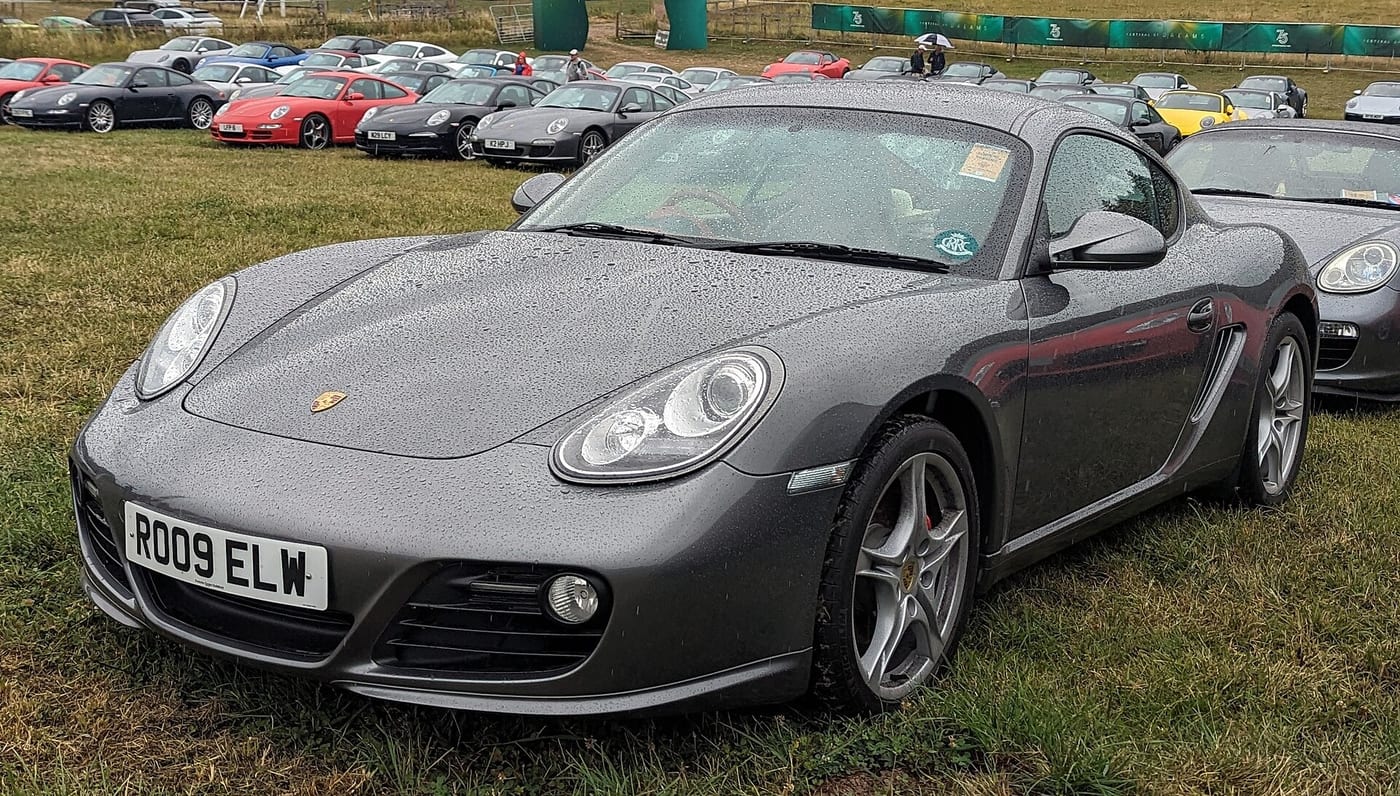
Porsche Boxster from the 987 generation. Photo: Calreyn88, CC0, via Wikimedia Commons.

What should you check before buying a Porsche 987?
Identify 987.1 or 987.2 by VIN and engine code. Do not infer the IMS by registration date. A replaced engine may change configuration; Ask for an invoice, number and scope of any intervention and check what is installed.
In M96/M97 it inspects filter and oil, consumption, smoke and soot. Borescope inspection cylinders when the version, history or symptoms indicate it, especially in 3.4. Interprets marks along with compression, leaks and hot noise.
Read operating hours, over-rev ranges on manual models, misfires, pressures, temperatures and adaptation values. Compare them with mileage and wear. Test PDK during manoeuvres, pull-away and cold and warm gear changes; with Tiptronic, check for harsh shifts and documented fluid servicing.
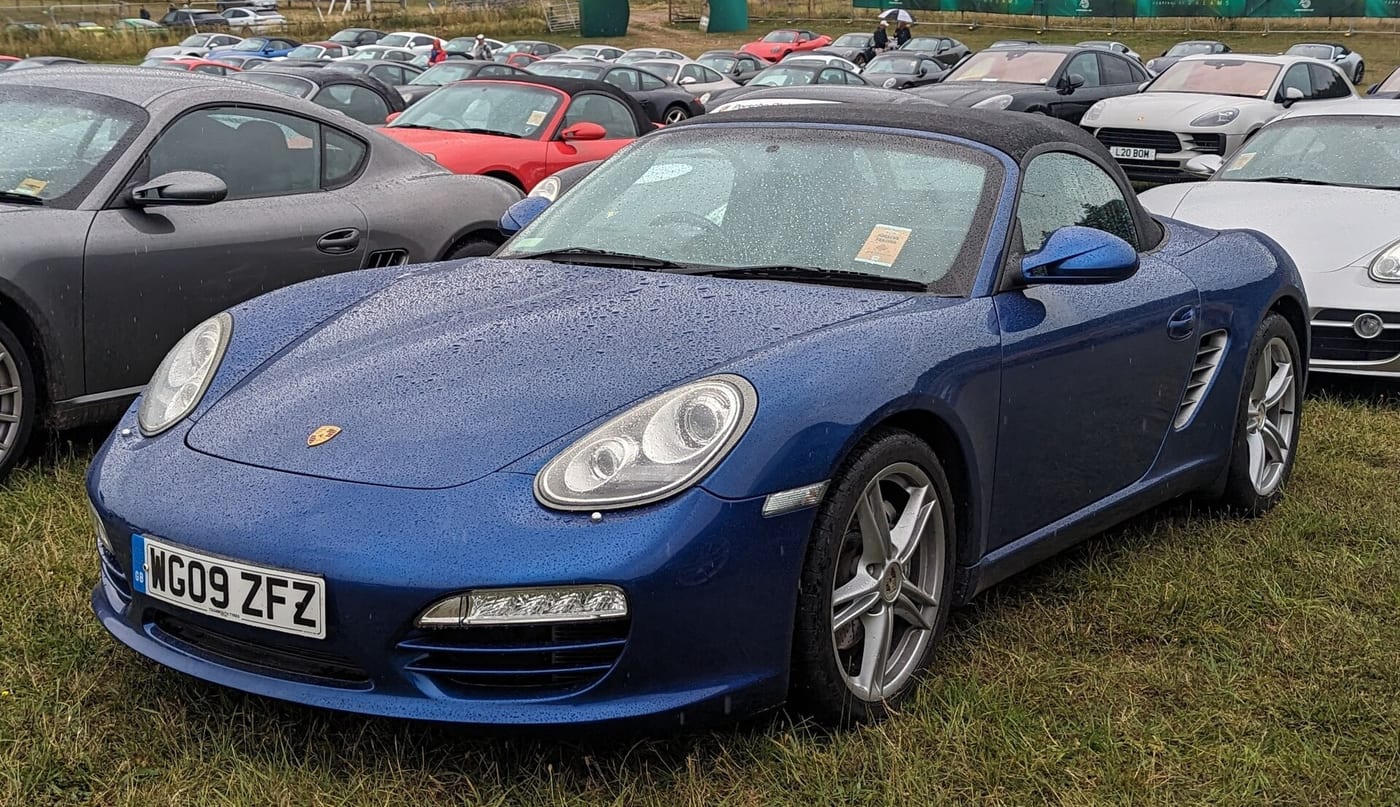
Porsche Boxster from the 987 generation. Photo: Calreyn88, CC0, via Wikimedia Commons.

Check radiators and condensers behind the bumper, pump, expansion tank, cap and hoses. Test pressure for residue or odour. Check that both fans are working and that the system was properly purged after repairs.
In Boxster he tests the soft top, tensioners, cables, microswitches and drains several times. Lift carpets and look for moisture under seats. In Cayman check the gate, seals and noise. In both, lateral intakes must be free and complete.
Test arms, shock absorbers, engine mounts, brakes and tyres. Internal wear and drift are not always alignment. In Spyder or Cayman R it measures the underbody, paint, discs and specific parts to detect circuit, knock or conversion.
Known Porsche 987 faults
IMS on 987.1
The type of bearing and the possible intervention depend on the engine and actual year. Particles, leaks or deviation from the engine valve timing system justify stopping and measuring. An IMS invoice does not demonstrate the absence of bore scoring, low pressure or other engine wear.
Bore scoring in M96/M97
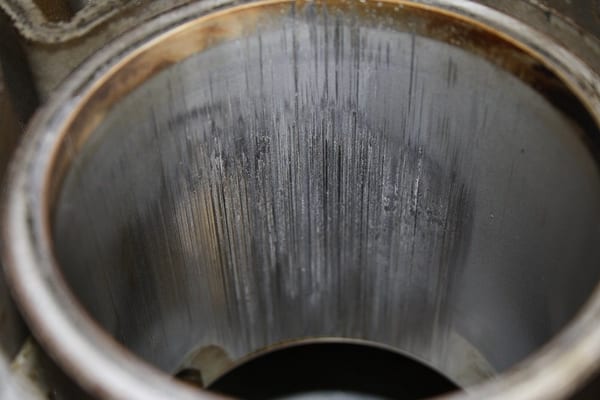
Increasing consumption, smoke from a bench, uneven soot and hot ticks raise suspicion. Borescope inspection should visualize adequate walls and document cylinder by cylinder. Continuing to use with advanced scoring increases clearance, oil burn and rebuild range.
AOS, RMS and vacuum system
Intense smoke after idling, whistling or excessive vacuum lead to the separator; a drop between engine and gearbox can have several sources. Locate before disassembling. Aspirated oil contaminates intake, spark plugs and catalytic converters if ignored.
Water pump and radiators
Unstable temperature, frequent fans or leaks require checking the pump, thermostat, radiators and condensers as a whole. Trapped debris corrodes surfaces. A damaged impeller can reduce flow and leave fragments in the circuit.
PDK, Tiptronic and clutch
Trembling, knocking when selecting, slow running or skidding have different causes. Read adaptations, temperatures and errors, and test engine mounts and flywheel. An oil service is maintenance, not an automatic cure for mechanical wear.
Soft top and water ingress
Clogged drains, degraded tray foam or misaligned cables leave water and asymmetrical movement. Forcing the cycle breaks transmissions. Moisture under seats can damage modules and connectors before an obvious odour appears.
These are the workshop areas that step in once the diagnosis confirms it: IMS repair, bore scoring, engines and gearboxes.
How is a Porsche 987 serviced?
Perform annual oil and filter in seasonal use or short trips and open the filter if there is suspicion. Record consumption. On M96/M97, a frequent change provides information, but does not repair damaged IMS or cylinders.
Full service includes spark plugs, filters, belt, coils, cooling and underbody. In MA1, monitor direct injection only for symptoms. Clean radiators and drains without damaging fins and check between radiator and condenser.
Maintain Tiptronic, PDK, manual and differential according to time and use. Renew brake fluid and check calipers, discs, arms and shock absorbers. Wheel alignment follows after eliminating clearances and mounting equivalent tyres.
In Boxster clean drains and test soft top; use compatible maintainer during shutdowns. After circuit reduces intervals, inspects brakes, tyres, oil and underbody and documents the work for the next inspection.
After purchasing without history, establish a baseline with visual analysis of the filter, pressurized cooling, coil status, hours, PDK or clutch, arms and tyre date. Sorting jobs by safety, mechanical risk and comfort avoids spending first on exhausts or tyres.
Keep invoices indicating engine code and references. In 987.1 and 987.2 a generic description may mix incompatible parts. Also registering the PDK software and any modifications facilitates subsequent diagnosis and future sale.
Periodically check supports and exhaust, because a moving engine alters the alignment of tails, selector and vibrations. Solving the support first avoids attributing each noise to PDK, Tiptronic or the block itself and reduces stress on hoses and joints.
The Cayman and Boxster servicing rates give an idea of the scope of each service. The final quote depends on what turns up on the car.
What we have done at Valentín Motors
Valentín Motors’ articles on IMS, bore scoring and brake restoration explain the processes that matter when overhauling a 987.1, without assuming that all engines are bad.
The diagnosis separates a preventive measure, a peripheral repair and a reconstruction. That difference must be clear before negotiating the purchase.
Who is a Porsche 987 for?
It is suitable for those who want mid-mounted engine balance and will choose the generation according to their priorities. A 987.1 can offer good value with rigorous inspection; a 987.2 avoids sealed IMS and adds PDK; Spyder and Cayman R interest if you will accept less comfort and more cost.
It is not suitable for those who believe that a replaced IMS solves everything or leaves the soft top exposed to the elements without cleaning drains. A 986 is simpler and cheaper; a 981 offers a more modern interior and chassis; a 997 adds rear seats and rear-engine character.
Related work
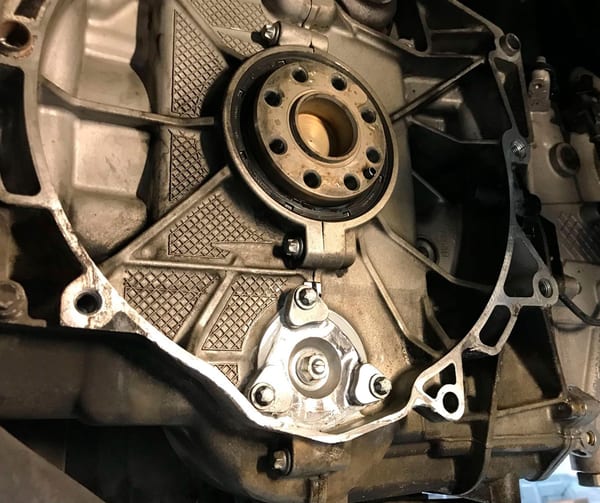
What is the Porsche IMS?
The first generation of the 996/986 series, the M96 and later the M97, has a mechanical weakness in the IMS, the bearing that supp
What is Porsche bore scoring?
Bore scoring affects the M97 engines of the 997.1 versions, the GTs aside. It happens when the cylinders wear unevenly, leaving sc
Brake caliper restoration
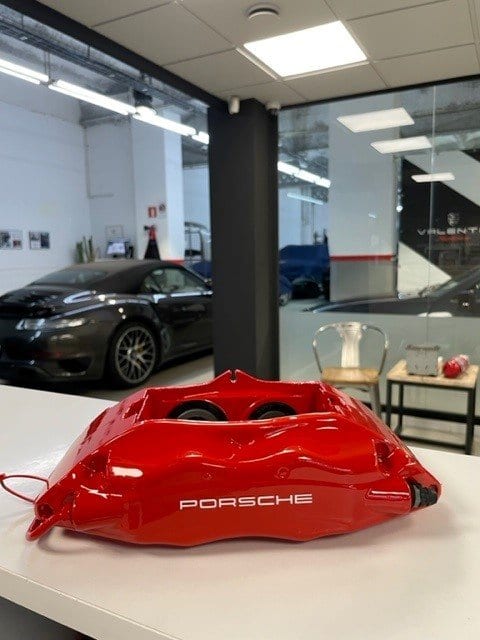
Restoration of brake calipers