Porsche 930 Turbo guide: versions, common faults and buying advice
- Date
- Words
- Enric Godes
What to look for in a Porsche 930 before buying: identity, body, fuel, turbo, engine, four-speed gearbox and the unique 1989 G50.
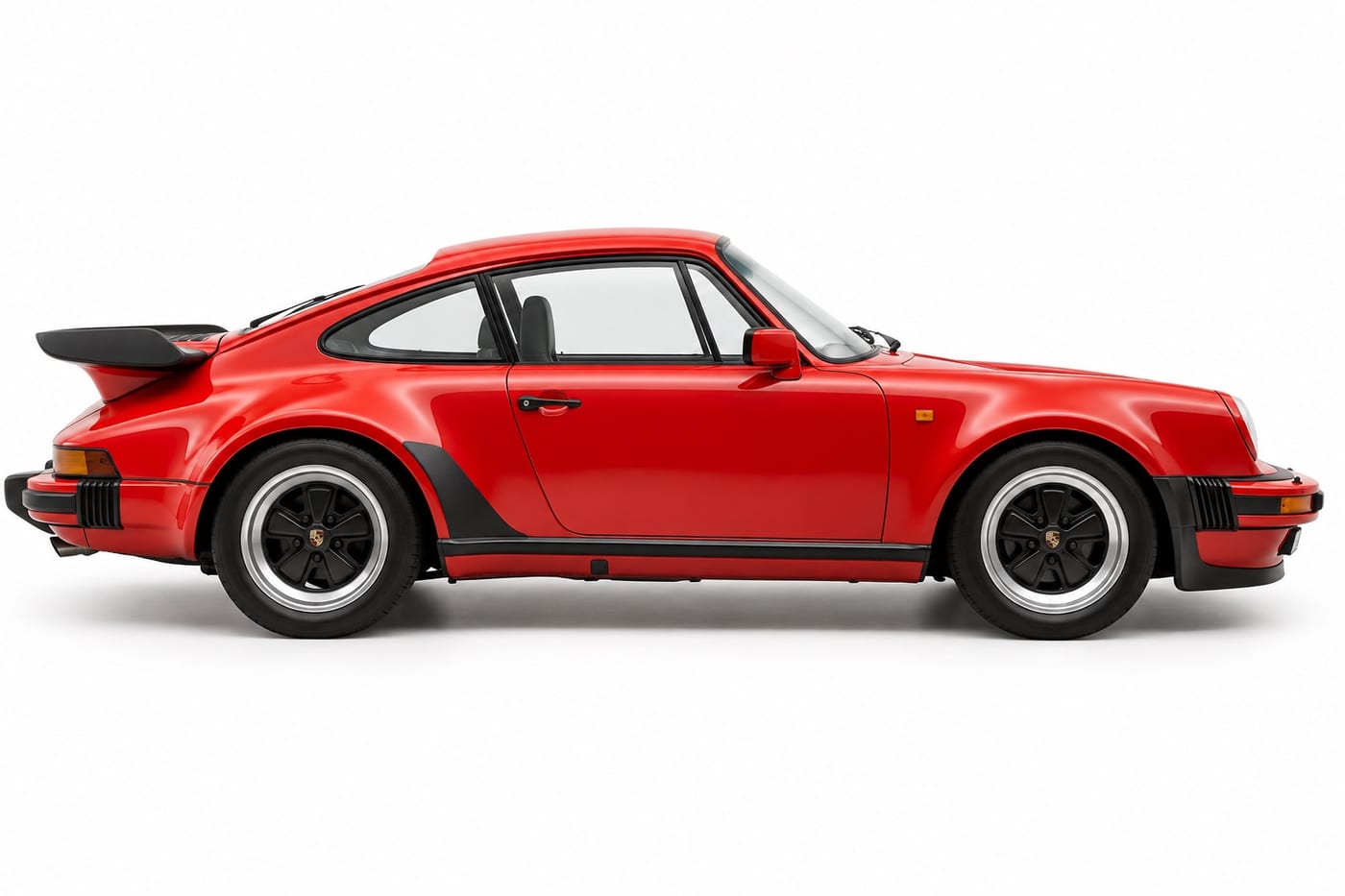
Porsche 930 Turbo, the reference profile for this generation.
The Porsche 930 turned the 911 Turbo into a production model and retained very particular mechanics for years: pronounced turbo lag, air-cooled engine, CIS injection and, until 1988, a four-speed gearbox. It’s not a Carrera with wide wings. The thermal load, fuel lines, turbocharger and torque delivery force you to check and drive differently.
Its current value has favored excellent restorations and also reconstructions made to appear correct in photographs. The purchase requires authenticating chassis, engine, gearbox, colour, equipment and original market, measuring the body and documenting any specification changes. A visually transformed 911 G does not thereby acquire the identity of a 930.
From a workshop perspective, the priority is safety before power: fuel and oil system sealing, ignition, mixture, control pressure, brakes, tyres and structure. Only then does it make sense to evaluate boost pressure or improvements. A poor CIS adjustment can cause a car to start and still run dangerously under load.
Porsche 930 Turbo at a glance
- Years
- 1975-1989
- Body styles
- Coupé; Targa, Cabriolet and Slantnose in later years
- Engine
- Air-cooled turbo flat-six, 3,0 and 3,3 l
- Power
- 260-330 CV in European production versions
- Transmission
- 4-speed manual; 5-speed G50 in 1989
- Production
- Approximately 21.500 units
Which Porsche 930 Turbo should you choose?
Turbo 3.0
From 1975 to 1977, with 260 CV in Europe, rear spoiler and specific initial brakes. Its low production makes authenticity and respect for period components essential.
Turbo 3.3
Since 1978, 300 CV, intercooler and redesigned spoiler. It evolves over more than a decade, so brakes, air conditioning, wheels and details must be compared to the exact year.
Turbo 3.3 with catalytic converter
Some markets received different powers and anti-pollution systems. Import, compression ratio, exhaust and CIS must be identified before comparing figures or ordering parts.
Targa and Cabriolet
The open bodies arrived in the final stage. Check reinforcements, door fit, soft top, drains and corrosion; Poor structural behaviour is not resolved with new shock absorbers.
Slantnose
Factory Flachbau variants are rare and widely copied. Headlights, wings, intakes, option codes and source documentation should be verified by someone familiar with these series.
1989 model with G50
Last year, five-speed gearbox and hydraulic clutch. The market premium requires confirmation that the set is original; the driving changes, but does not eliminate engine and bodywork revisions.
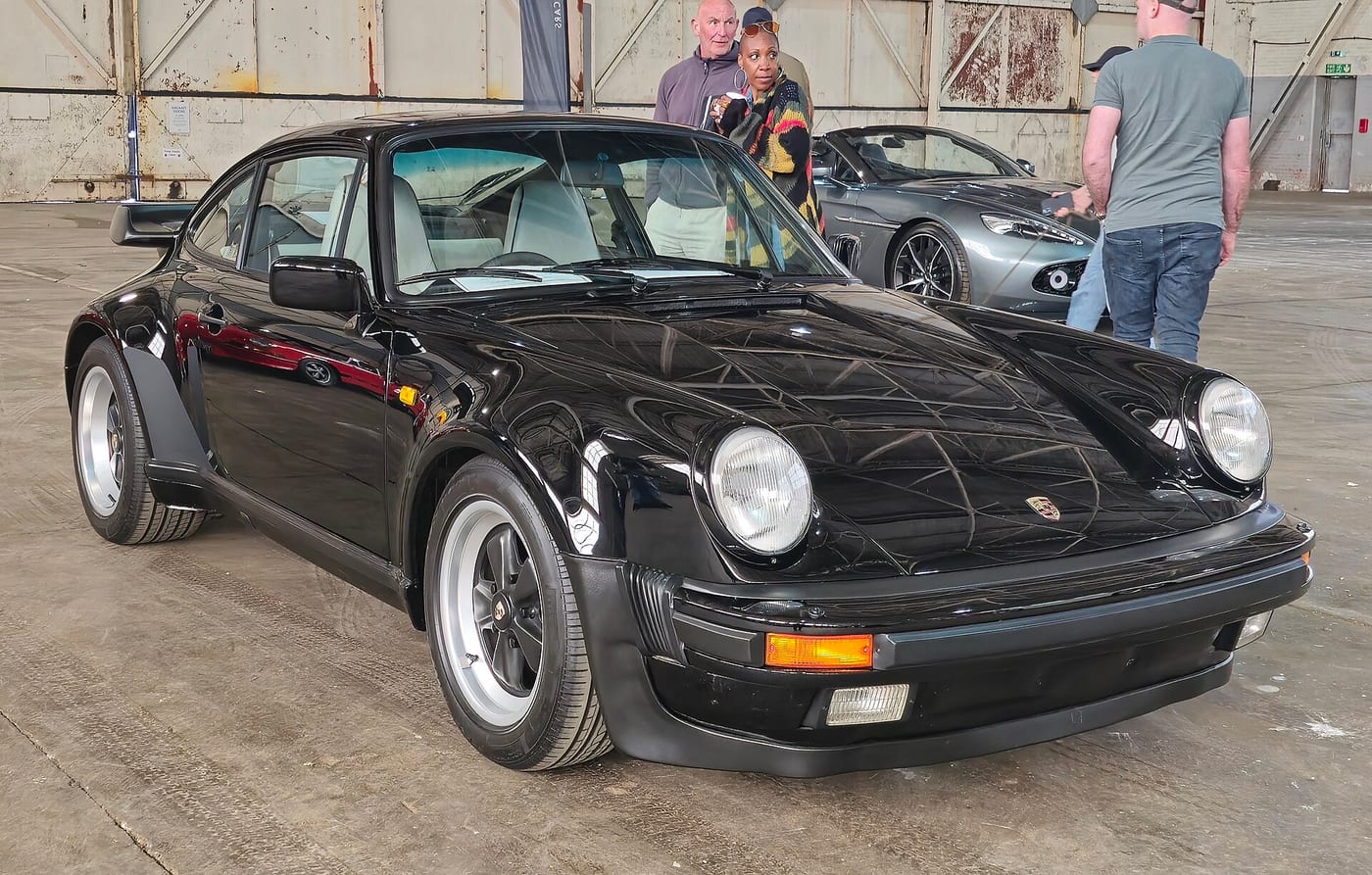
Porsche 911 Turbo from the 930 generation. Photo: Calreyn88, CC BY-SA 4.0, via Wikimedia Commons.

What should you check before buying a Porsche 930 Turbo?
Start with identity. VIN contrast, engine number, gearbox, paint plate, options and import documentation. Check that spoilers, wings, brakes, interior and wheels correspond to the year. Photograph stamps and look for signs of re-engraving or undocumented substitution.
Measure thickness and geometry, inspect front panel, battery housing, turrets, wheel arches, side sills, pillar base, rear tray and lifting points. An old blow may have displaced anchors even though the outside clearances appear uniform.
Examine fuel lines from the tank to the engine, accumulator, pump, CIS connections and injectors. Odor, humidity or undated hoses prevent a demanding test. In a hot and supercharged space, a small leak has disproportionate consequences.
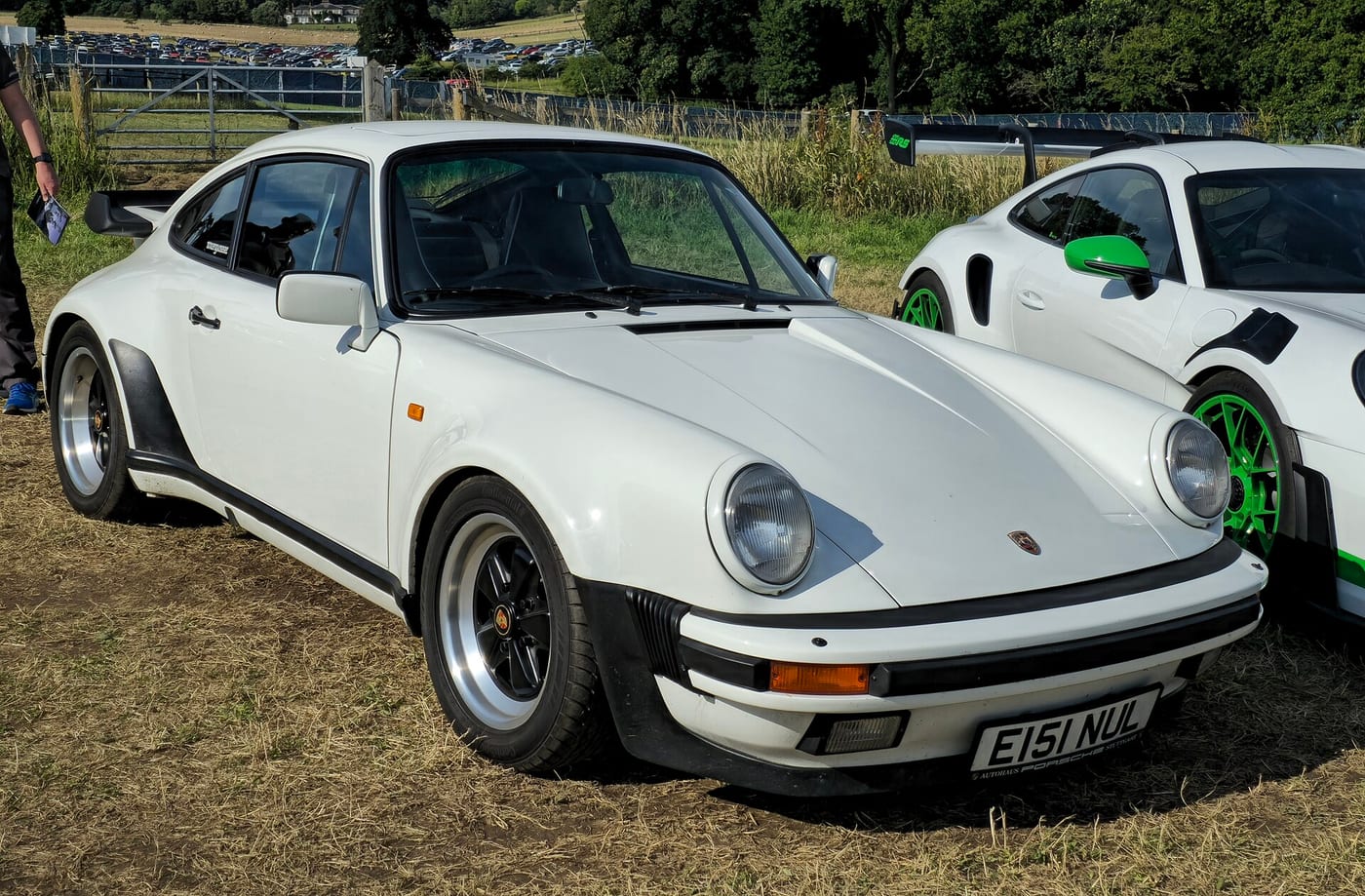
Porsche 911 Turbo from the 930 generation. Photo: Calreyn88, CC BY-SA 4.0, via Wikimedia Commons.

Start cold and repeat hot. Measure fuel and control pressures, mixture under load, compression and leaks. Observe smoke before and after deceleration with closed throttle, oil pressure and turbo return. Do not adjust mixture to hide a pressure, vacuum or ignition problem.
Check turbo for clearance, leaks, response and pressure, as well as intercooler, wastegate, exhaust and modifications. A car that delivers a high peak power is not necessarily healthy; it can run lean, suffer detonation or exceed the expected pressure.
Test gearbox and clutch that are already warm. In four gears, use synchronizers without forcing; in G50, pedal, cylinders and selection. Check brakes, hoses, bearings, shock absorbers and tyre age before exploring features.
Known Porsche 930 Turbo faults
Fuel system leaks and ageing
Odor, difficult starting, moisture in fittings or cracked hoses require immobilization and pressure testing. The consequence is not only loss of performance: the fuel can reach ignition, exhaust or turbo. Replace lines with correct material and routing, not a makeshift solution.
CIS adjustment and incorrect fuel pressure
Prolonged hot starts, fluctuating idle, jerks and lack of fuel under load can come from the accumulator, regulator, air intakes, pumps or injectors. Turning the mixture screw without measuring can hide the symptom at idle and worsen safety at full load.
Turbo, seals and oil return
Persistent blue smoke, oil in intake or exhaust and abnormal response require checking turbo, return, crankcase pressure and engine condition. Changing the turbocharger without correcting the drainage or the cause of overpressure can repeat the fault.
Studs, cylinder heads and oil leaks
Knocking, cylinder base leak, loss of compression or broken studs call for a complete evaluation. Continuing to increase turbo pressure accelerates the damage. If it is opened, the crankcase, cylinders, cylinder heads, engine valve timing system and lubrication must be measured before defining the scope.
Synchromesh and clutch
Grinding when downshifting, a gear that doesn’t stay in gear, or a clutch that slips under boost are not part of the 930’s character. Forcing changes damages teeth and selectors. An early diagnosis separates adjustment, clutch, linkage and gearbox rebuild.
Corrosion and accident repairs
The width of the wings and the value of the model make repairs and conversions frequent. Welds, sealant, point symmetry and thicknesses tell the story. New paint without documentation should prompt more inspection, not more trust.
These are the workshop areas that step in once the diagnosis confirms it: engines, gearboxes and paint and bodywork.
How is a Porsche 930 Turbo serviced?
Check oil and filter at least every year and control consumption, pressure and temperature under comparable conditions. Inspect screens or plugs when applicable, ducts to the radiator, turbo return and exhaust leaks. Allow temperatures to stabilize before applying load and allow the temperature to drop after intense use.
The complete maintenance service should cover valve timing, spark plugs, ignition, filters, CIS pressures, injectors, belts, turbo and exhaust. Modern fuel and long periods of standstill justify monitoring tanks, pumps and accumulator more frequently.
Renew brake fluid for time and check calipers, discs, flexible tubes and bearings. The power does not compensate for old tyres or exhausted shocks. Adjust geometry and heights after eliminating clearances, respecting the specification and use.
Gearbox, differential and clutch need inspection for leaks and correct lubricant. In 1989 it added a hydraulic clutch. If there is power preparation, reduce intervals and document mixture, pressure, temperature and components; an undocumented modification complicates both diagnosis and resale.
The Turbo servicing rates give an idea of the scope of each service. The final quote depends on what turns up on the car.
What we have done at Valentín Motors
Valentín Motors has published restorations of 930 Turbo 3.0 and 3.3 engines, a complete restoration of 930 and the recovery of a unit affected by fire.
These cases illustrate two priorities of this guide: check fuel and heat before looking for performance, and measure the body until the real limit of the damage is found.
Who is a Porsche 930 Turbo for?
It suits a driver who understands the delivery of a classic turbo, will warm up the mechanics, maintain brakes and tyres at the highest level and accepts a technical inspection before pursuing aesthetic originality. The 3.3 offers more availability; a 3.0 or Flachbau requires a more rigorous specialist assessment.
It is not suitable as a first classic if you are looking for progressive reactions, predictable costs or frequent urban use. A naturally aspirated 911 G is more linear; a 964 Turbo adds aids and five gears, although it remains specialist; a 996 Turbo offers much more ease of use with a different architecture.
Related work
Restoration of Porsche 911 930 Turbo
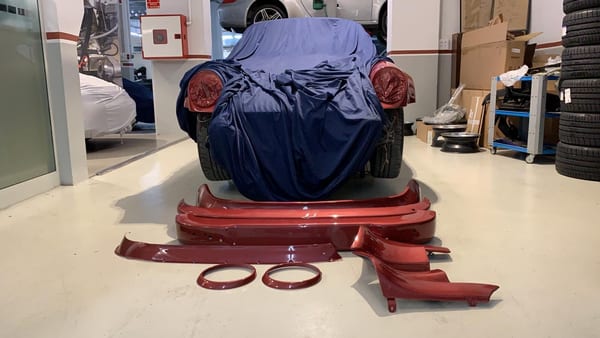
Restoration of a 911 Turbo 930 from 1988. In this intervention we made the major overhaul of the engine, the transmission, the bod
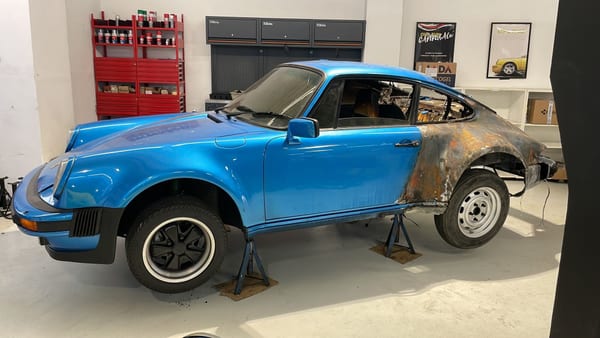
Restoration by fire 911 930 turbo 1975
Follow the restoration of this beautiful 930, which arrived at our facilities after having suffered a fire in the engine area.
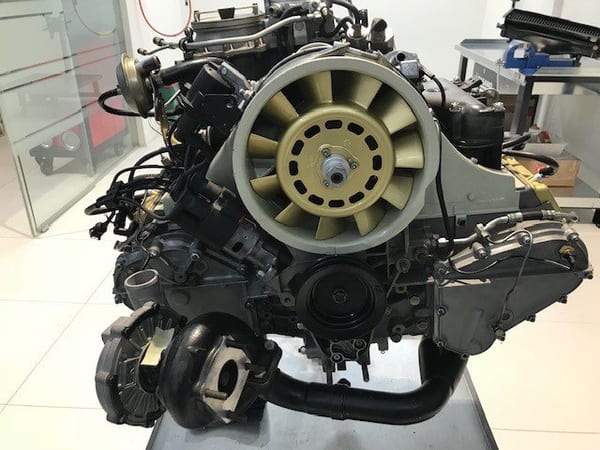
Engine 930 turbo 3.0 1988
Engine 930 turbo 3.0 1988
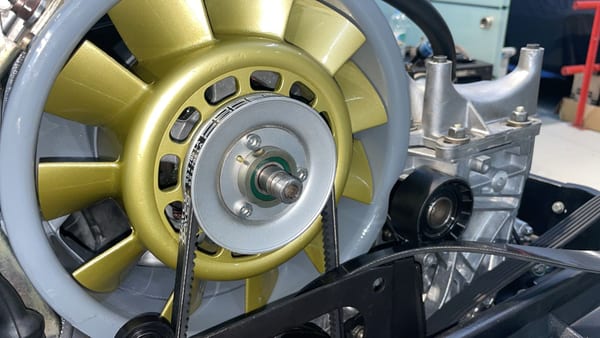
Restoration complete engine 965 (964 turbo 3.3)
First we test the car as received and identify what needs thorough work or no longer functions. We then separate the engine and ge