Porsche 996 guide: versions, IMS and buying advice
- Date
- Words
- Enric Godes
How to buy a Porsche 996 without reducing the entire decision to IMS: engines, versions, signs of bore scoring, cooling, chassis and history.
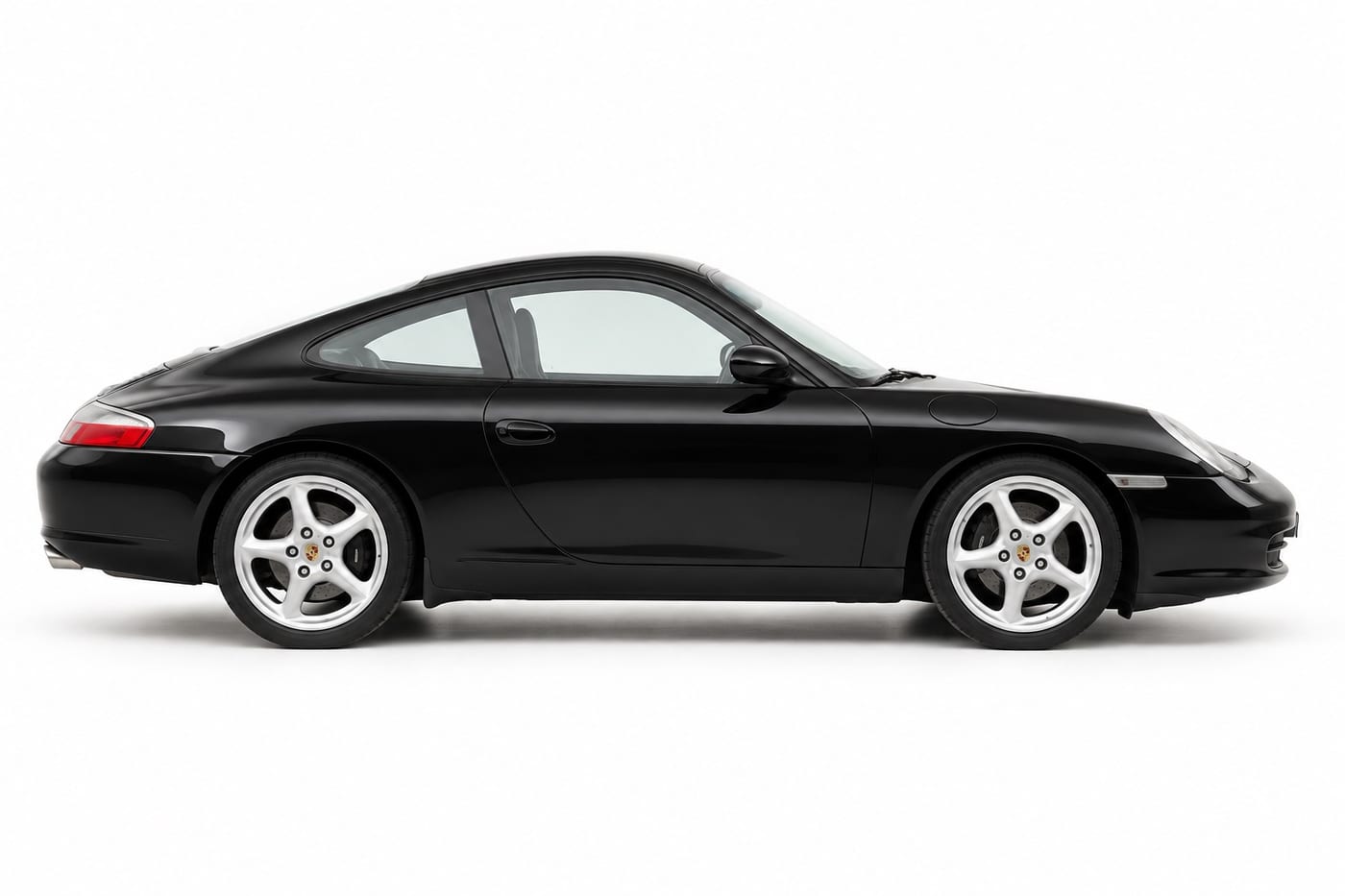
Porsche 996, the reference profile for this generation.
The Porsche 996 was the first mass-produced 911 with a water-cooled engine. It shares an industrial approach with the first Boxster, but retains a rear engine, rear seats and a range that goes from the 300 CV Carrera to Turbo, GT3 and GT2. Today it offers usable performance and a compact dimensions, although its purchase price can hide deferred maintenance.
In the workshop it is advisable to divide the family in two. Carrera, Carrera 4 and Targa use M96 engines subject to specific discussion on IMS, bore scoring and cooling system. Turbo, GT2 and GT3 use another architecture derived from the competition engine, known as Mezger; they don’t share the same sealed IMS bearing, but they do have expensive needs of their own. Saying that all 996 models suffer from the same thing leads to poorly planned purchases and repairs.
A good unit is not defined by having an advertised solution, but by the whole: operating data, analysed oil, cylinders inspected when appropriate, clean cooling, clearance-free suspension and consistent invoices. The pre-purchase must identify the specific risk and give it context, not promise zero risk.
Porsche 996 at a glance
- Years
- 1997-2005
- Body styles
- Coupé, Cabriolet and Targa
- Engine
- Water-cooled six-cylinder boxer, 3,4-3,6 l; Turbo 3,6 l
- Power
- 300-483 CV according to European version
- Transmission
- 6-speed manual or 5-speed Tiptronic
- Production
- Approximately 175.000 units
Which Porsche 996 should you choose?
Carrera 3.4
The first series, from 1997 to 2001, delivered 300 CV and was offered with propulsion or all-wheel drive. Its age is not enough to identify the type of IMS: the engine and actual configuration must be checked.
Carrera 3.6
The 996.2 update, from 2001, rose to 320 CV and adopted the Turbo front. Includes Carrera 2, Carrera 4, Cabriolet and Targa, with differences in weight and complexity.
Carrera 4S
It combines a wide body, brakes and appearance close to the Turbo with a 320 CV naturally aspirated engine. Its attractiveness does not eliminate the risks of the M96 and adds more transmission elements and higher-cost tyres.
Turbo and Turbo S
The Turbo develops 420 CV, or 450 CV with the X50 and in the final Turbo S. Its engine does not use the Carrera’s sealed IMS; Coolant pipes, turbos, clutch, spoiler and integral transmission must be checked.
GT3
360 CV in the first series and 381 CV in the second, with a Mezger engine, manual transmission and focused chassis. It is essential to read hours and over-rev events ranges and check if the track use had the corresponding maintenance.
GT2
Rear propulsion, twin-turbo engine and 462 CV, up to 483 CV in the final evolution. Authenticity, structural condition, and usage history outweigh a cursory visual inspection.
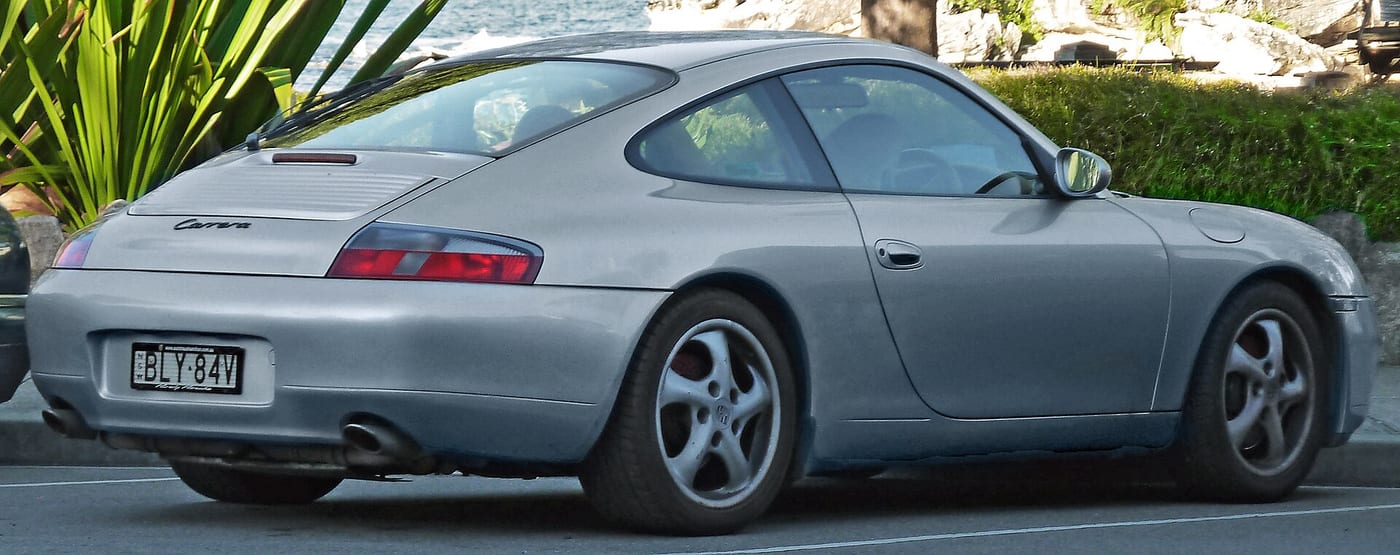
Porsche 911 from the 996 generation. Photo: OSX, Public domain, via Wikimedia Commons.

What should you check before buying a Porsche 996?
Identify version, model year, engine and gearbox code using VIN and tags, and match them with invoices. Do not infer the IMS bearing by the registration date: a motor may have been replaced, opened or exchanged, and the only useful data is the present and documented configuration.
On naturally aspirated Carrera models, combine diagnostic readings, oil-filter inspection, oil analysis and borescope inspection when there is oil consumption, smoke, noise or suspicion of bore scoring. Inspect every cylinder consistently and assess the marks alongside compression, leak-down results and engine behaviour.
Check cold starting, pressure, rattles, smoke and idle stabilization. When hot, observe oil pressure, temperature and smoke after overrun. Mixture of oil and coolant, metal particles or a knock that changes with load warrant stopping operation until diagnosed.
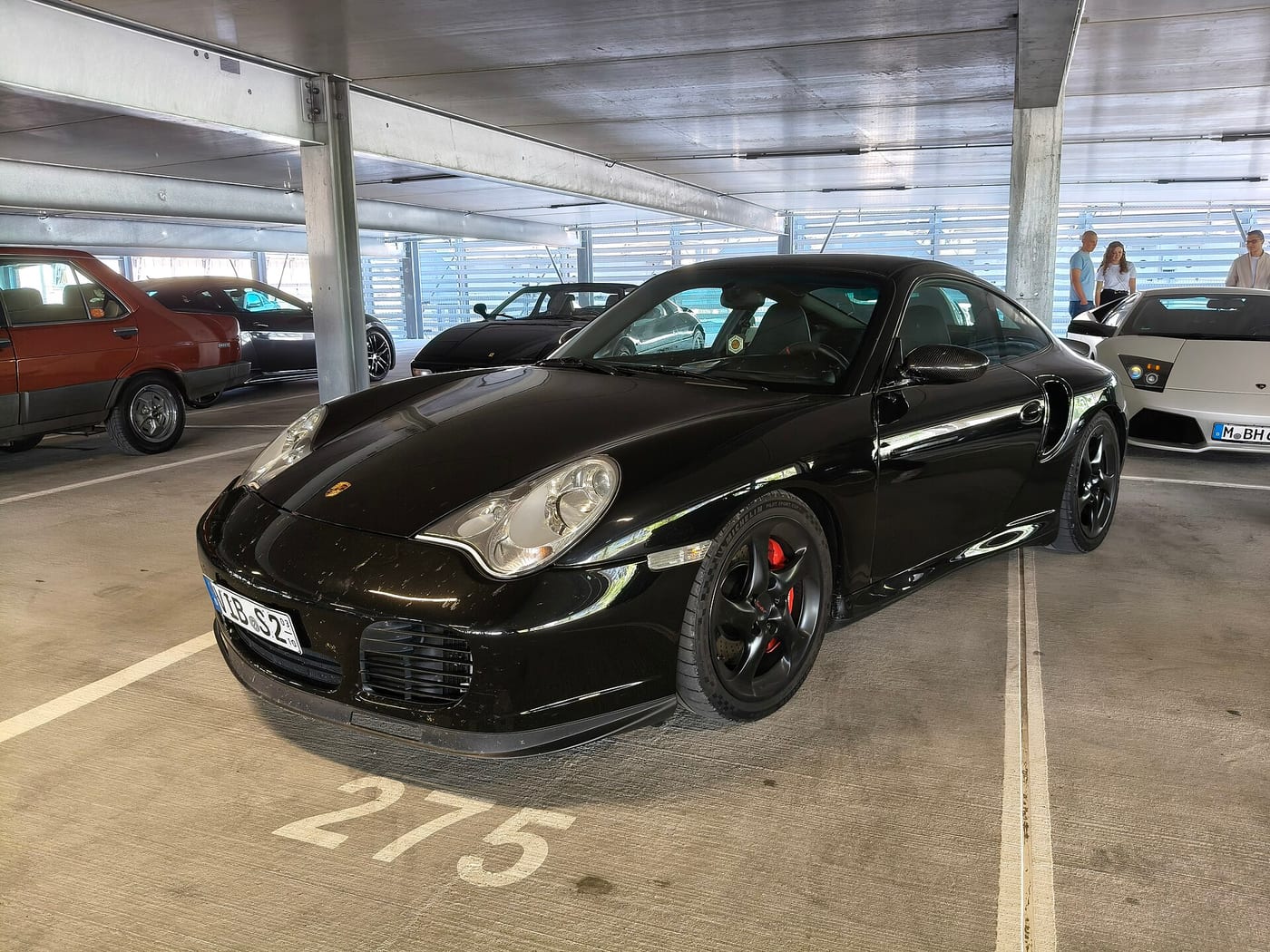
Porsche 911 from the 996 generation. Photo: Ghost2112376, CC0, via Wikimedia Commons.

Check radiators and condensers behind the bumpers, water pump, expansion tank, cap and coolant remains. Accumulated leaves promote corrosion and loss of efficiency; a loose pump can release material and cause overheating.
Read operating hours and rev ranges on manual cars, and check that mileage, interior wear and history are consistent. In Turbo and GT it also checks stuck or fixed pipes, turbos, intercoolers, clutch and possible power preparations.
Test suspension on uneven ground, brakes from speed, air conditioning, windows, closures, roof and spoiler. Aging arms, engine mounts, shock absorbers and cups alter stability; Tiptronic requires clean changes, without delays or bumps.
Known Porsche 996 faults
IMS bearing in M96 engines
Particles in the filter, leaks in the shaft area, abnormal synchronization or noise should not wait for the next inspection. The risk and solution depend on the bearing fitted, the condition of the engine and whether the gearbox is to be removed. Replacing one part without inspecting the rest does not make the engine new.
Bore scoring
Increased oil consumption, smoke from one cylinder bank, uneven soot in exhausts and hot knocking can accompany cylinder scoring. Borescope inspection confirms and localizes, but its interpretation must be combined with measurements. Continuing to use the car worsens piston and cylinder-liner damage and contaminates the oil.
RMS, AOS and vacuum leaks
A drop between the engine and gearbox may come from the rear seal, but intense smoke after idling, whistling and excessive vacuum lead to the oil separator. Changing the RMS reflexively without locating the source may require dismounting twice. A failing AOS also contaminates intake and catalytic converters.
Water pump and cooling circuit
Unstable temperature, sweet smell, frequent fans or pink residue require pressure testing. Impeller, thermostat, expansion tank, hoses and radiators work as a system; Ignoring a small leak can end in overtemperature and deformation of cylinder heads.
Suspension, mounts and brakes
Sharp knocks, floating steering, inner wear of the tyre or engine movements when accelerating indicate different clearances. Before aligning, check arms, linkages, cups, shock absorbers, supports and bearings. A healthy chassis also helps detect a poorly repaired body.
Turbo and GT pipework and ancillary components
In Mezger engines, coolant unions, oil tubes, actuators, turbos and clutch must be inspected. Loss under load, coolant smell or smoke are not normal features of a powerful version; a leak in heavy use can empty the circuit quickly.
These are the workshop areas that step in once the diagnosis confirms it: IMS repair, bore scoring and engines.
How is a Porsche 996 serviced?
An annual oil and filter inspection allows you to open the filter, control particles and establish a consumption and leak trend. Mileage alone does not protect a stopped car: brake fluid, coolant, belts, tyres, gaskets and fuel also age.
The complete maintenance service should include spark plugs, filters, auxiliary belts, coils, underbody, brakes and cooling circuit. Adjust the interval for urban use, circuit or short trips. If history is lacking, create a baseline before investing in cosmetic improvements.
In Tiptronic, manual gearbox and differentials, check lubricant level, leaks and date. In Turbo and GT it adds boost pressure, intake sealing and pipe fixing. An oil change won’t fix worn synchronizers or a faulty converter, but it helps discover the problem early.
Periodically clean radiators and drains without damaging fins, and check the space between radiator and condenser. Maintain homogeneous tyre pressures and age per axle. After intervening suspension, perform geometry with correct heights and loads.
The 911 servicing rates give an idea of the scope of each service. The final quote depends on what turns up on the car.
What we have done at Valentín Motors
We have documented the breakage of the intermediate shaft on an M96 3.4 and the subsequent rebuild process. The case allows us to see damages, measurements and decisions that a generic description of the IMS does not show.
We also inspect cooling, bore scoring and transmission before recommending an intervention. The priority is to know if the engine is healthy, locally repairable, or in need of rebuilding.
Who is a Porsche 996 for?
It is suitable for those who want to get into a modern 911 of reasonable size, will use it and reserve budget for a diagnostic-based maintenance update. A simple manual Carrera offers the essential experience; a 4S prioritises looks and traction; a Turbo is another architecture and another scale of consumables.
It is not suitable for those who expect that installing an IMS will eliminate all risk or buy the cheapest unit without inspection. If you’re looking for air-cooled character, the 964 or 993 are more expensive alternatives; if you prefer a more modern interior and round headlights, compare with a 997, without forgetting that it also requires a specific engine inspection.
Related work
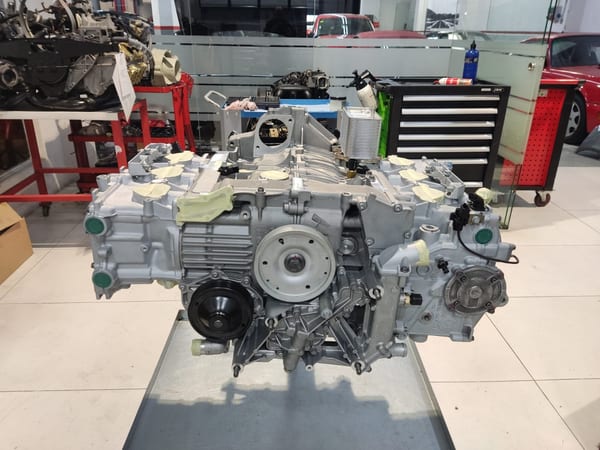
996 M96 3.4 engine repair due to broken intermediate shaft IMS
Engine repair 3.4
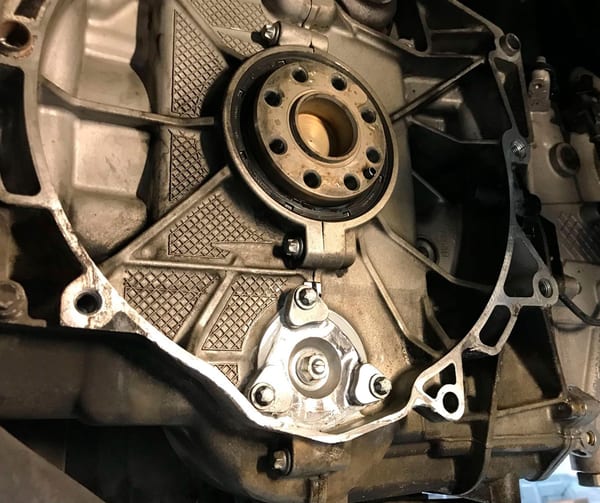
What is the Porsche IMS?
The first generation of the 996/986 series, the M96 and later the M97, has a mechanical weakness in the IMS, the bearing that supp
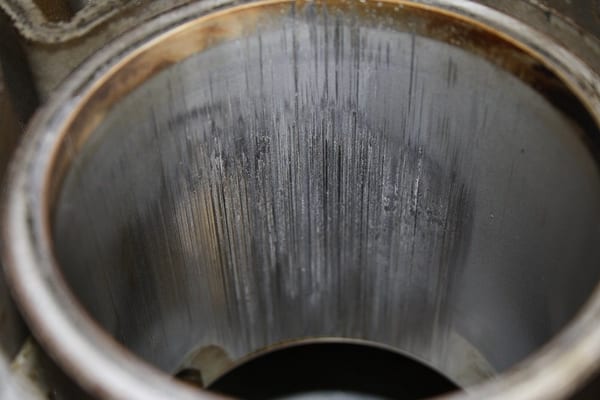
What is Porsche bore scoring?
Bore scoring affects the M97 engines of the 997.1 versions, the GTs aside. It happens when the cylinders wear unevenly, leaving sc