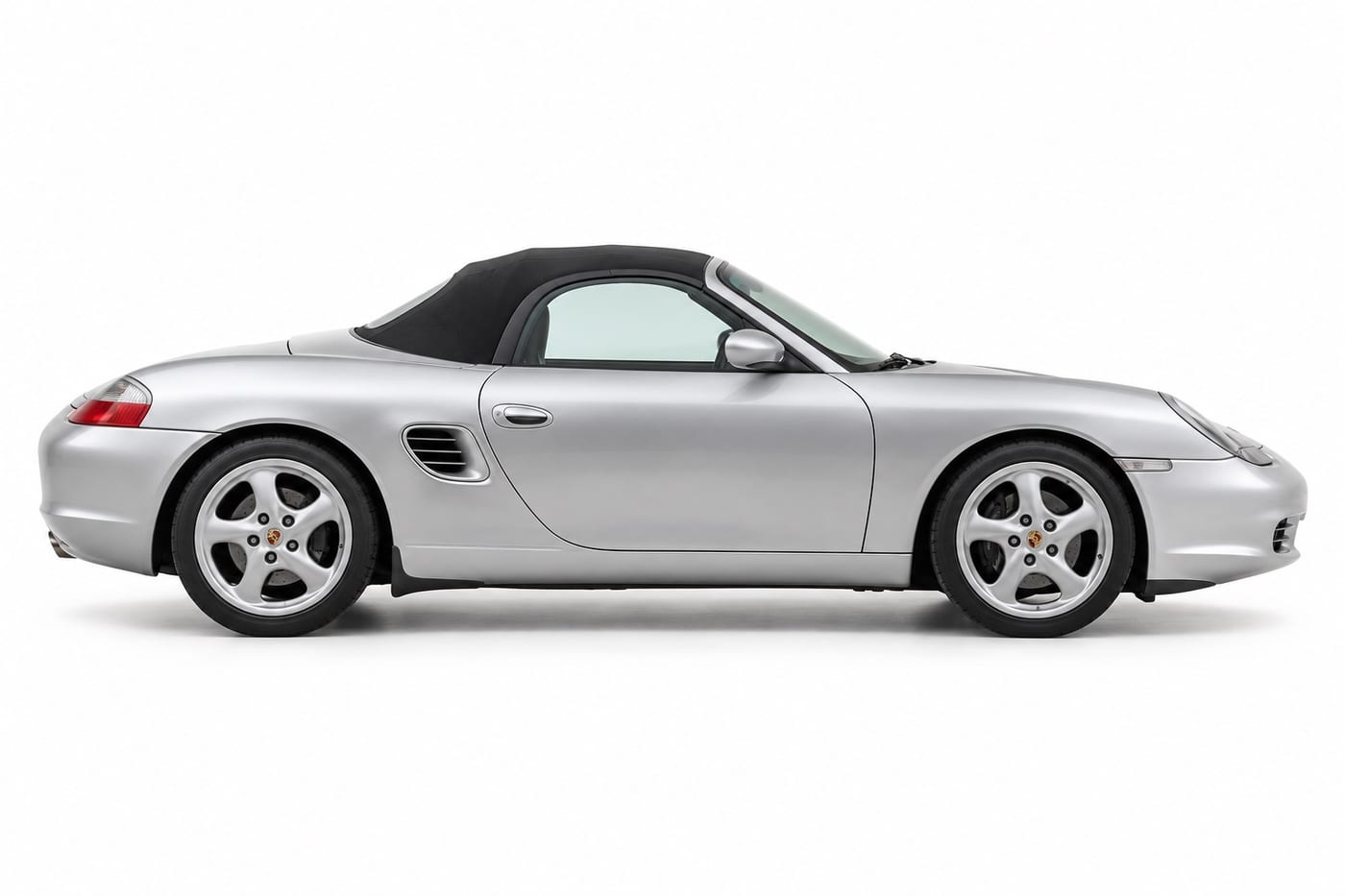
Porsche 986 guide: versions, IMS and buying advice
- Date
- Words
- Enric Godes
How to buy a Porsche Boxster 986 with the right checks: M96 engine, IMS, cylinders, cooling, soft top, drains, gearbox and suspension.
Porsche 986, the reference profile for this generation.
The Porsche Boxster 986 inaugurated the water-cooled mid-engine family and allowed Porsche to share numerous components with the 996. The range evolves from the 2.5 with 204 CV to the 2.7 and the Boxster S 3.2. Its balance is still current, but many units have gone through years of low value, urban use and minimal maintenance.
The conversation about IMS is necessary and at the same time insufficient. You must also check the cylinders, oil separator, cooling, expansion tank, pump, radiators, soft top, drains, transmission and suspension. A changed bearing does not correct a low-pressure engine or a flooded control unit under the seat.
The best purchase is usually a car with a clear history and faults whose costs have been assessed. A useful pre-purchase inspection includes opening the oil filter, reading diagnostic data, inspecting the cylinders when appropriate and lifting the carpets. Include the budget for overdue maintenance before comparing optional equipment.
Porsche 986 at a glance
- Years
- 1996-2004
- Body styles
- two-seater roadster
- Engine
- Water-cooled six-cylinder mid-size boxer, 2,5-3,2 l
- Power
- 204-266 CV according to European version
- Transmission
- 5/6-speed manual or 5-speed Tiptronic
- Production
- 164.874 units
Which Porsche 986 should you choose?
Boxster 2.5
From 1996 to 1999, 204 CV and accelerator cable in the first units. Early engines require checking block history, porosity and possible replacements in addition to the IMS.
Boxster 2.7
Since 1999/2000, first 220 and then 228 CV. More torque and electronics evolution; IMS type is confirmed by actual engine, not an approximate date.
Boxster S 3.2
From 1999/2000, 252 CV and later 260 CV, six-speed manual transmission and larger brakes. Check consumption, cylinders, clutch and track use with greater attention.
2003 update
Bumper changes, glass rear window and revised powers. A rear soft top installed on an early car may be an improvement, but it does not change the model year.
50 Years of the 550 Spyder
Final edition on Boxster S with 266 CV, specific colour and equipment. Check identification plate, option code, interior, wheels and documentation before paying premium.
Manual versus Tiptronic
The manual prioritises connection and requires checking the clutch and over-rev events; Tiptronic facilitates urban use, but requires hot/cold testing and documented service.
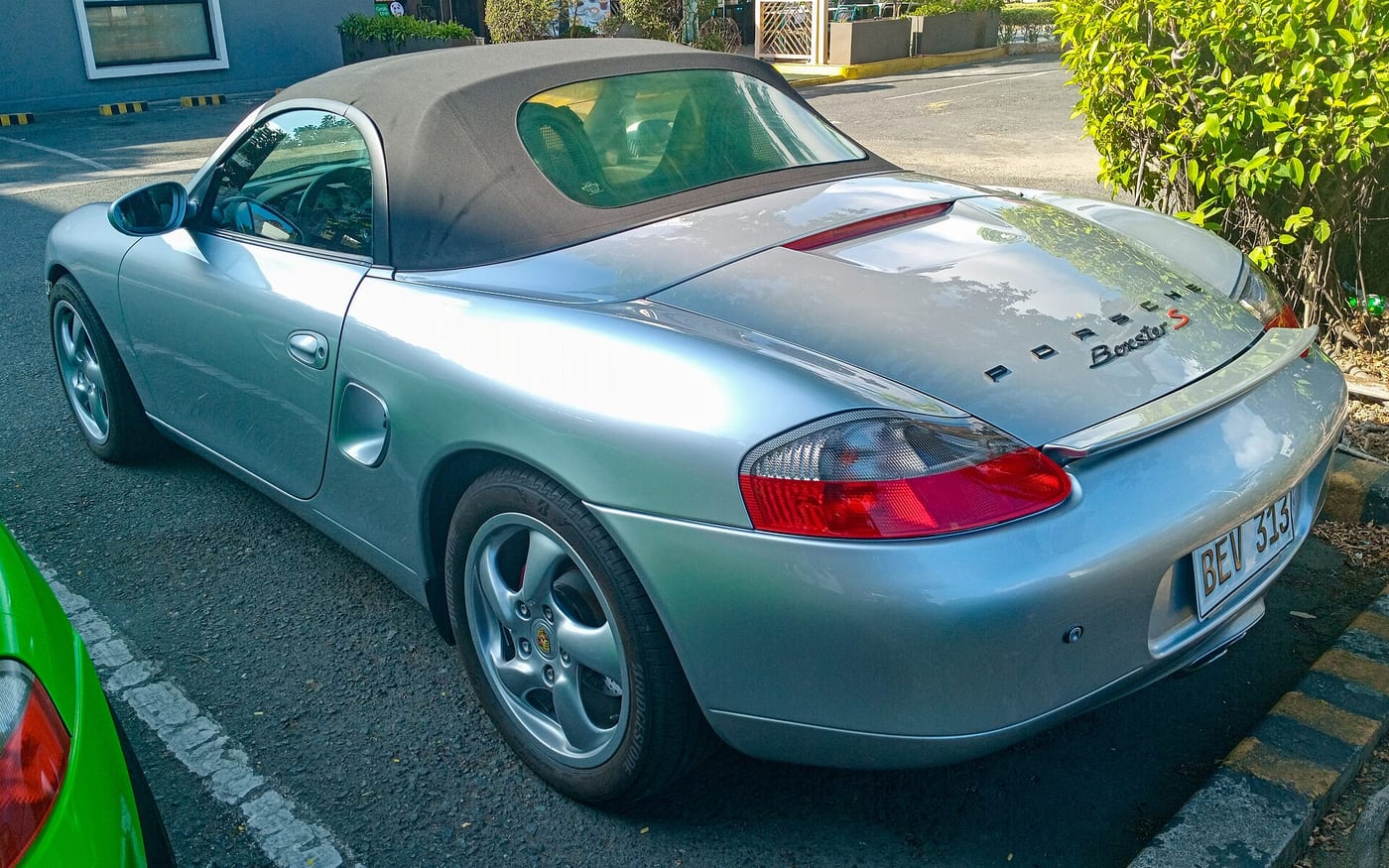
Porsche Boxster from the 986 generation. Photo: Ethan Llamas, CC BY-SA 4.0, via Wikimedia Commons.

What should you check before buying a Porsche 986?
Identify installed engine, not just the one originally delivered. Ask for invoices for replacement or rebuild, IMS, clutch and RMS. The engine number helps to know configuration, but an internal intervention is only demonstrated with detailed documentation.
Completely cold start and see smoke, tappets, idle and pressure. Repeat hot after deceleration with closed throttle. Inspect filter and oil for particles and contamination; measure compression and leaks or use a borescope when symptoms and history warrant it.
Assess IMS according to bearing present, access and use. Do not accept claims that it has been resolved without a brand, date, mileage and invoice. If the gearbox is removed, also check the clutch, flywheel, RMS, axle leak and general condition.
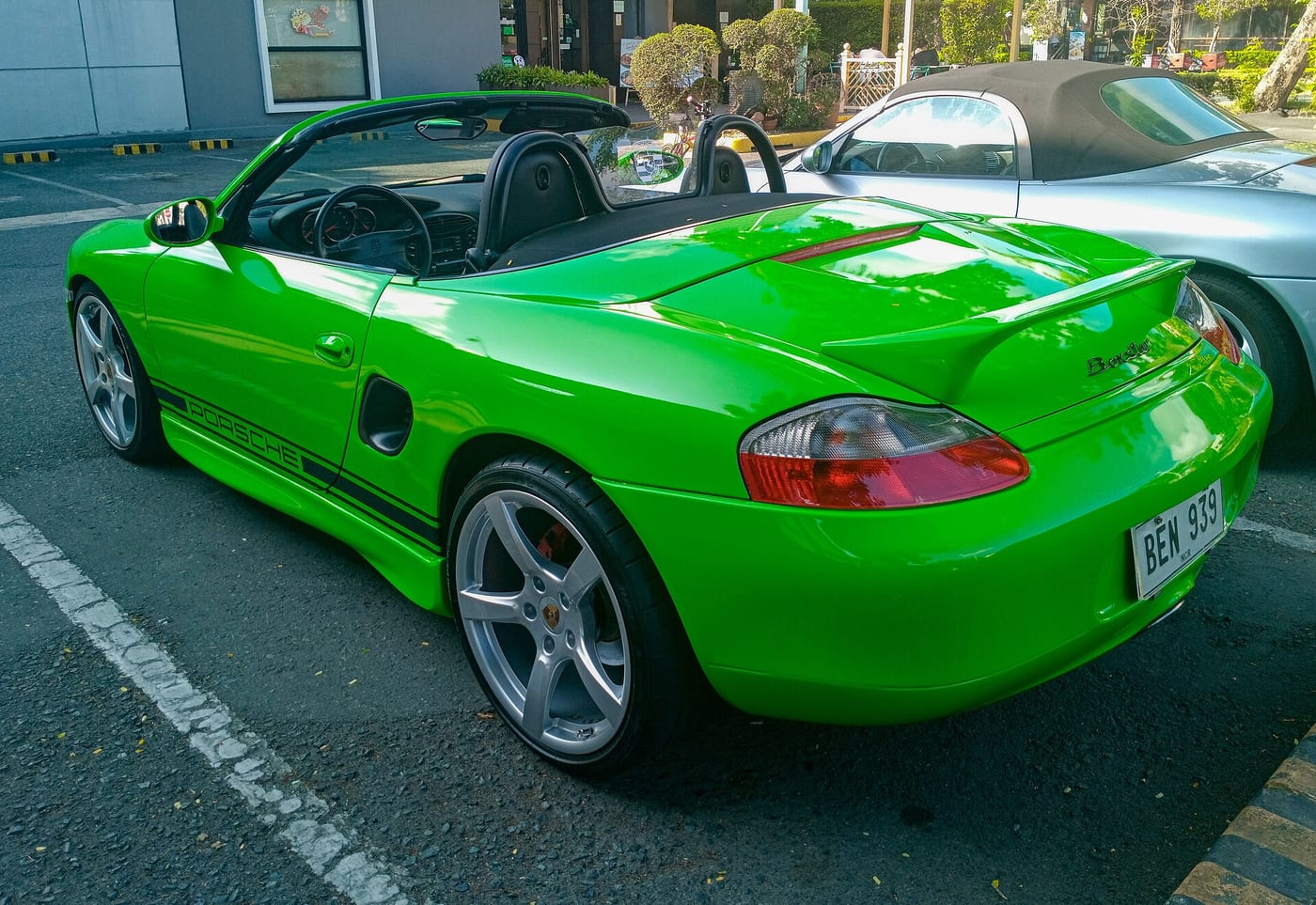
Porsche Boxster from the 986 generation. Photo: Ethan Llamas, CC BY-SA 4.0, via Wikimedia Commons.

Check rear expansion tank, cap, pump, thermostat, radiators and condensers. Leaves between surfaces promote corrosion. Refrigerant odour, residue or unstable temperature warrant a pressure test and correct purging.
Activate the soft top several times, check cables, transmissions, elastics, microswitches and drains. Lift carpet behind and under seats. A dry tray today does not demonstrate the absence of previous flooding; look for corrosion deposits, replaced modules, and odour.
Test clutch, six or five gears, Tiptronic, brakes and suspension. Read hours and over-rev events in manual. Check arms, mounts, tyres and alignment, as well as underbody and lift points for shocks.
Known Porsche 986 faults
IMS
Metallic particles, leaks, noise or bypass of the engine valve timing system require stopping and diagnosing. The solution depends on the bearing and condition of the motor. Replacing it preventively may make sense in specific configurations, but it does not eliminate other failure modes of the M96.
Early cylinders and engine blocks
Smoke, consumption, fluid mixing or low compression can indicate different problems, from AOS to displaced liner, porosity or scoring. Borescope inspection and pressure tests separate causes. Buying without measuring after overheating is assuming a possible reconstruction.
AOS and RMS
Heavy smoke after idling, whistling and strong vacuum point to the separator; a leak between engine and gearbox may come from RMS or another gasket. Locate avoids disassembling the gearbox for a leak coming from above. Sucked oil damages catalytic converters.
Pump, expansion tank and radiators
Trunk leak, front waste, pump bearing or frequent fans are parts of the same circuit. A cracked expansion tank can dampen luggage; a damaged pump reduces flow. Ignoring temperature ends up affecting cylinder heads and liners.
Soft top, cables and drains
Stop operating the soft top if it moves asymmetrically or its cover fails to close; the mechanism needs its timing checked. Blocked drains send water towards the electronics. Replacing a module without fixing the water entry point and drying the connectors risks the same failure in the next rain.
Gearbox, clutch and mounts
Scratching, slipping, transmission knock or slow Tiptronic should be separated by thermal test. Sunken engine mounts alter transmission and exhaust. Correcting them can improve driving sensations, but it does not repair worn synchronizers or clutches.
These are the workshop areas that step in once the diagnosis confirms it: IMS repair, bore scoring, engines and gearboxes.
How is a Porsche 986 serviced?
Annual oil and filter in seasonal use provides a recurring inspection of the filter. Record consumption and leaks. Do not use thicker oil to hide noise without measuring pressure and internal condition.
Full service includes spark plugs, filters, belt, coils, AOS, cooling and underbody. Clean between radiator and condenser and test drains. Renew brake fluid by time and coolant with bleeding procedure.
Maintain manual or Tiptronic, differential, clutch and supports depending on use and condition. After arms or shock absorbers, mount equivalent tyres and align. A pressure-sensitive mid-engine car deserves regular measurements.
Activate soft top, air conditioning and closures during periods of little use and conserve battery with compatible equipment. Avoid brief engine starts. After the circuit, check the oil, brakes, tyres and underbody.
After purchasing a unit with no history, create a reference with pressure, filter status, cooling, coils, clutch or Tiptronic, mounts and tyres. Decide first on safety and engine risk, then on comfort and finally on aesthetic changes.
Save brand, type and date of any IMS solution and the engine number. It also documents bleeding, pump and expansion tank. This data prevents the next workshop from repeating disassembly or assuming a configuration that the car no longer maintains.
Check exhaust and catalytic converters after an AOS or misfire failure. The fact that the engine slows down well again does not show that the accumulated oil or fuel has not raised the temperature and degraded the catalyst. Subsequent diagnosis should confirm mixture and efficiency.
The Cayman and Boxster servicing rates give an idea of the scope of each service. The final quote depends on what turns up on the car.
What we have done at Valentín Motors
Valentín Motors’ articles on IMS and bore scoring help understand how to inspect an M96 without turning a possibility into an automatic diagnosis.
Caliper restoration and inspection of the essentials complete the purchase: a healthy engine does not compensate for deferred brakes, tyres or suspension.
Who is a Porsche 986 for?
It is suitable for those who want a mid-engine, convertible and relatively simple Porsche, who will reserve a budget for updating maintenance and will not buy just for a changed IMS. The 2.7 balances use; the S adds torque and brakes; the early 2.5 is interesting for character and price if it is healthy.
It is not suitable for those who leave the car outdoors with drains unattended or who do not accept a borescope when there are symptoms. A 987 improves interior and rigidity; a 981 eliminates the worry of sealed IMS; a 996 adds rear seats with related mechanical risks.
Related work
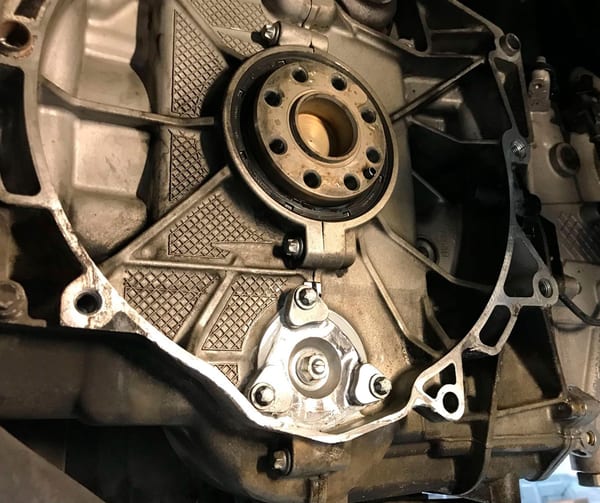
What is the Porsche IMS?
The first generation of the 996/986 series, the M96 and later the M97, has a mechanical weakness in the IMS, the bearing that supp
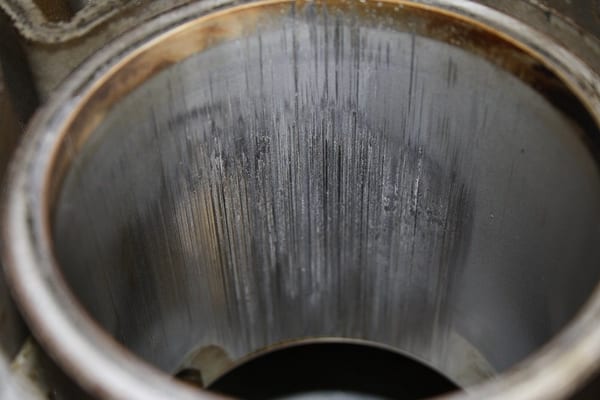
What is Porsche bore scoring?
Bore scoring affects the M97 engines of the 997.1 versions, the GTs aside. It happens when the cylinders wear unevenly, leaving sc
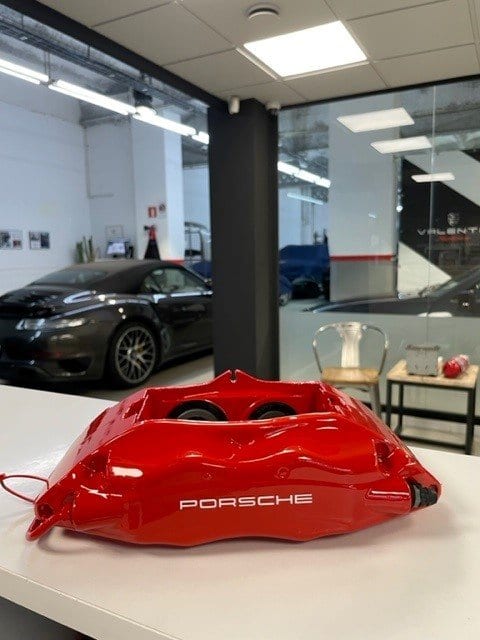
Brake caliper restoration
Restoration of brake calipers