Porsche 981 guide: versions, common faults and buying advice
- Date
- Words
- Enric Godes
What to check before buying a Porsche 981: diagnosis, PDK, cooling, dynamic engine mounts, suspension, water ingress and track use.
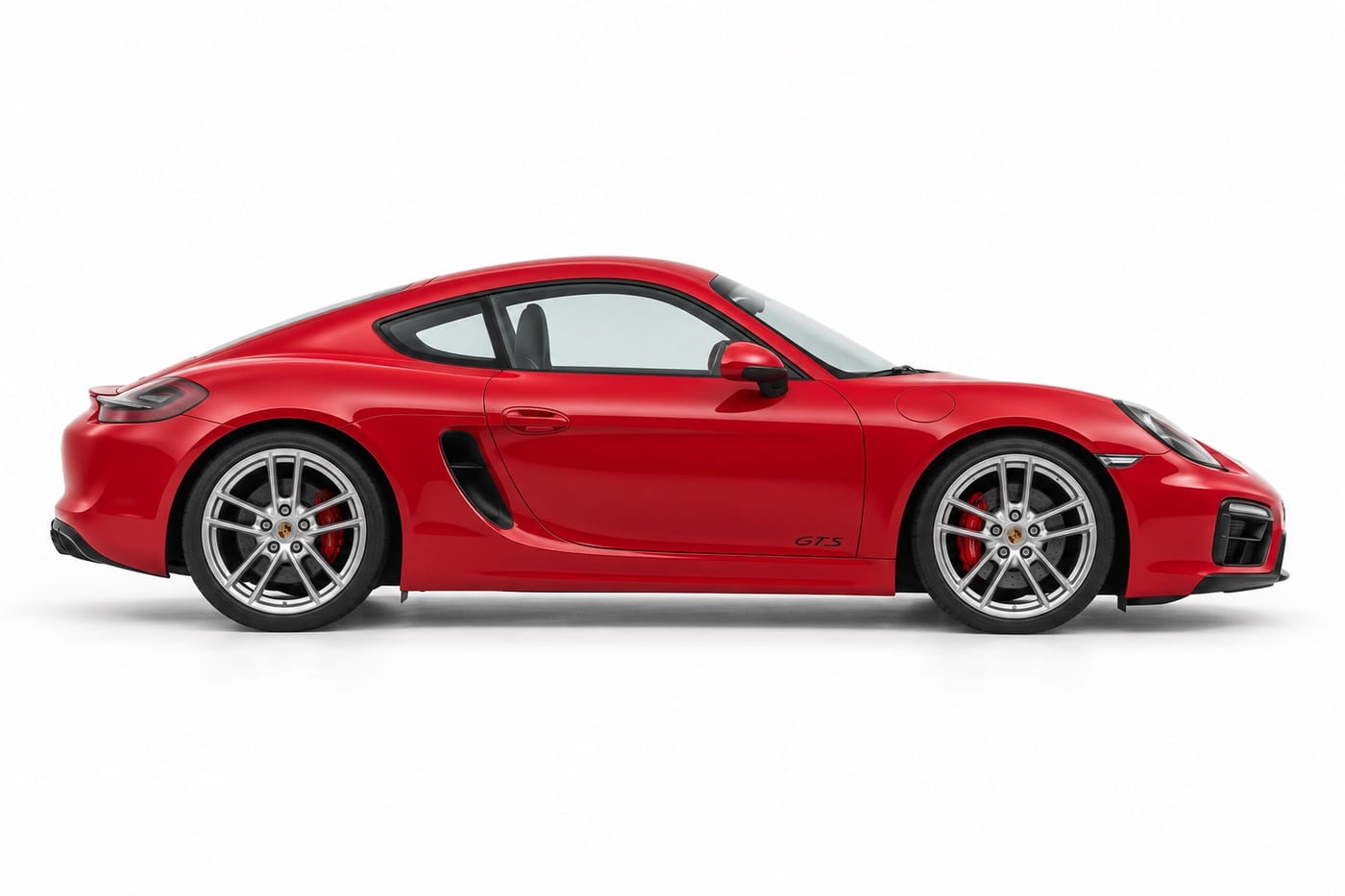
Porsche 981, the reference profile for this generation.
The Porsche 981 brought the Boxster and Cayman to a lighter platform, with a longer wheelbase and naturally aspirated six-cylinder engines across the range. It offers from 2,7 litres to the 3,8 of the Spyder and GT4, manual or PDK transmission and a much more modern cabin than the 987. It does not use the sealed IMS of the first Boxster, but that does not eliminate the need for an engine and cooling inspection.
From a workshop perspective, the purchase is decided as a whole: diagnosis, cooling pump and valves, coils, PDK, PADM supports, shock absorbers, brakes and drains. In cars with sports use it is necessary to relate hours, over-rev events, tyres and underbody. A documented track-used car may be better than a seemingly quiet car with fault codes erased.
The options change cost and driving sensations: PASM, PTV, Sport Chrono, exhaust, PCCB, full bucket seats and, in GT4, chassis and centre-lock wheels. The factory sheet avoids paying for an inaccurate description and helps order correct components.
Porsche 981 at a glance
- Years
- 2012-2016
- Body styles
- Boxster convertible and Cayman coupe
- Engine
- Central six-cylinder naturally aspirated boxer, 2,7-3,8 l
- Power
- 265-385 CV according to European version
- Transmission
- 6-speed manual or 7-speed PDK
- Production
- Joint production not uniformly published
Which Porsche 981 should you choose?
Boxster
2,7 265 CV engine, manual or PDK. Less torque than the S, but same balance; Check cooling, soft top and equipment without assuming minor maintenance.
Boxster S
3,4 engine with 315 CV. Brakes and greater features; confirm PTV, PASM and Sport Chrono for options and measure consumables before comparing prices.
Cayman
2,7 engine with 275 CV and closed body. Tailgate, headliner and seals replace part of the revised soft top, but it shares the engine, gearboxes and chassis.
Cayman S
3,4 engine with 325 CV. Suitable for road and occasional circuit if brakes, oil, tyres and geometry were maintained accordingly.
GTS
330 CV in Boxster and 340 CV in Cayman, with its own sports equipment and aesthetics. Many options were configurable; Check the original sheet and parts.
Boxster Spyder and Cayman GT4
3,8 engines of 375 and 385 CV. Manual soft top on Spyder and GT chassis on Cayman require checking specific parts, brakes, underbody, over-rev events and authenticity.
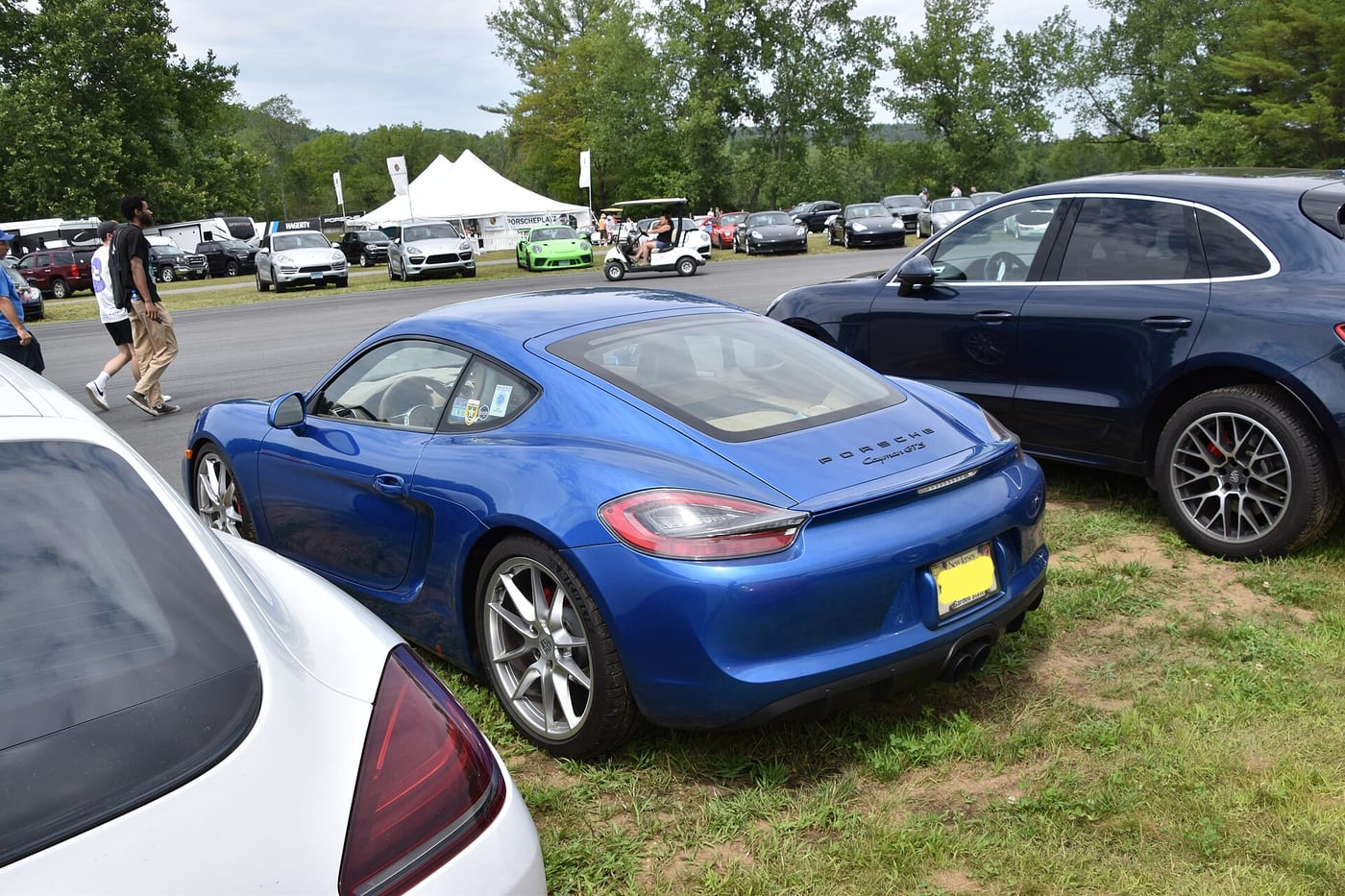
Porsche Boxster from the 981 generation. Photo: Charles from Port Chester, New York, CC BY 2.0, via Wikimedia Commons.

What should you check before buying a Porsche 981?
Get equipment by VIN and compare PASM, PTV, Sport Chrono, exhaust, seats, PCCB, air conditioning and transmission. On GTS, Spyder and GT4 check bumpers, wheels, soft top, spoiler and components that may have been added to a base model.
Make diagnoses without erasing memory: hours, mileage, misfires, pressures, temperatures, PDK, PADM and chassis systems. The manual records ranges of over-rev events and age of the event. Compare data with discs, tyres, seat and underbody.
Cold start and notice smoke, noise and pressure. Test response at different speeds and look for coil or injector failures. Consumption or smoke require measurement; do not automatically move diagnostics from M96/M97 to this MA1 family.
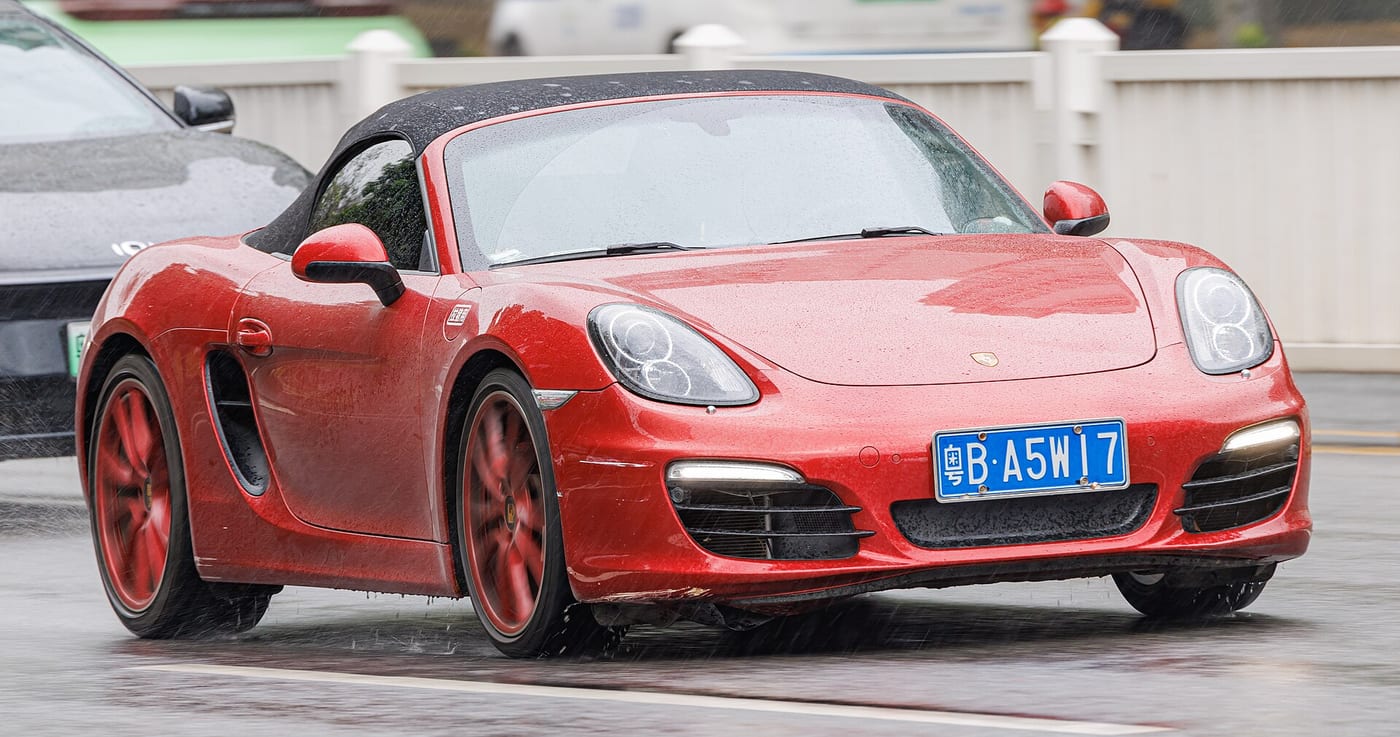
Porsche Boxster from the 981 generation. Photo: Dinkun Chen, CC BY-SA 4.0, via Wikimedia Commons.

Check water pump, switching valves, radiators, condensers, hoses and debris in intakes. Sweet smell, residue or frequent fans justify pressure testing and activation by diagnosis. Confirm correct bleeding after repairs.
Test PDK in maneuvering, departure, smooth shifting and temperature; on manual models, clutch, flywheel and selection. Check PADM, PASM supports, arms, ball joints and internal wear. Align only after removing slack.
On Boxster and Spyder, activate the soft top and check drainage and humidity under the seats. In GT4 inspect splitter, diffuser, support points, discs, centre-lock wheels and geometry. Ask for circuit registration if wear suggests it.
Known Porsche 981 faults
Pump and cooling circuit
Odor, leak, variable temperature or frequent fans require pressure testing and activation of pumps and valves. Changing just the part that leaves a trace can miss a clogged radiator or poor bleeding.
Ignition coils, spark plugs and injection
Jerk, misfire or rough idle should be located by cylinder and condition. Cracked coil, spark plug, injector or air intake may share code. Driving with combustion failure sends fuel to the catalyst and raises its temperature.
PADM dynamic engine mounts
Intermittent warning or change in movement of the assembly may come from support, wiring or control. Read both sides and feed avoid replacing by intuition. The fault does not usually immobilize, but it deactivates a paid function and affects driving sensations.
PDK, clutch and flywheel
Judder when pulling away, knock when selecting or noise on shutdown require adaptation data, supports and thermal testing. PDK oil is maintenance, not universal solution. On manual models, distinguish flywheel, clutch disc, hydraulic and gear-selection faults.
Interior panels and headlining
Warped door panel, peeling roof, or creaks do not damage the engine, but indicate heat, adhesive, and age. A clean repair should preserve airbags and fasteners. Include the cost in the purchase instead of hiding it with clips or glue.
Drains and soft-top mechanisms
Uneven movement, cable out of sync or water behind seats requires stopping the cycle and cleaning trays. Forcing transmissions multiplies damage. Moisture reaches modules before being seen on the surface of the carpet.
These are the workshop areas that step in once the diagnosis confirms it: gearboxes.
How is a Porsche 981 serviced?
Annual oil and filter is a prudent reference for short or sporting use. Record consumption and temperature. Full maintenance service adds spark plugs, filters, belt, cooling, underbody and diagnostics; Adjust intervals to actual usage.
Maintain PDK or manual gearbox, differential and PTV according to time and mileage. Renew brake fluid and check PCCB or iron discs with proper measurement. For the circuit, then check the oil, brakes, tyres and underbody.
Clean radiators, condensers and drains. Test battery and load before diagnosing multiple warnings. In Boxster check the soft top at least periodically, even if it is rarely used; the mechanisms also age standing still.
Check suspension as a system and align with correct heights and tyres. Document exhaust, software or GT parts changes. Updating technical maintenance maintains value better than adding components without an invoice.
In a car that alternates road and circuit, write down dates, temperatures, pads, fluid and tyres for each day. That record allows you to judiciously reduce intervals and demonstrates that heavy use was attended to, rather than masked with new supplies before selling.
During long stops, maintain battery and pressure, move the soft top and air conditioning periodically and avoid starting for just a few minutes. When using it again, check for leaks, nests or residue in intakes and surface corrosion of brakes before driving fast.
When replacing battery, tyres or sensors, save date, reference and calibration. This information simplifies subsequent low voltage, pressure or geometry failures and allows the buyer to verify that a notice was procedurally resolved, not simply deleted.
The Cayman and Boxster servicing rates give an idea of the scope of each service. The final quote depends on what turns up on the car.
What we have done at Valentín Motors
The inspections of the essential elements and caliper restorations published in the Magazine illustrate the process prior to intervening on a 981: reading, testing and measuring wear.
Failures of the 987 are not attributed to the 981 due to simple kinship. When your own case is published, it can be added to the list of articles.
Who is a Porsche 981 for?
It is suitable for those looking for six naturally aspirated cylinders, mid-engine balance and daily use. The 2.7 needs more revs; S provides torque; GTS adds equipment; Spyder and GT4 justify their cost if you accept a soft top or more demanding chassis.
It is not suitable for those who need rear seats or do not want to maintain active options. A 987.2 offers an older, more affordable base; a 718 turbo provides torque and connectivity; a 991 combines six cylinders, front luggage compartment and occasional seats.
Related work
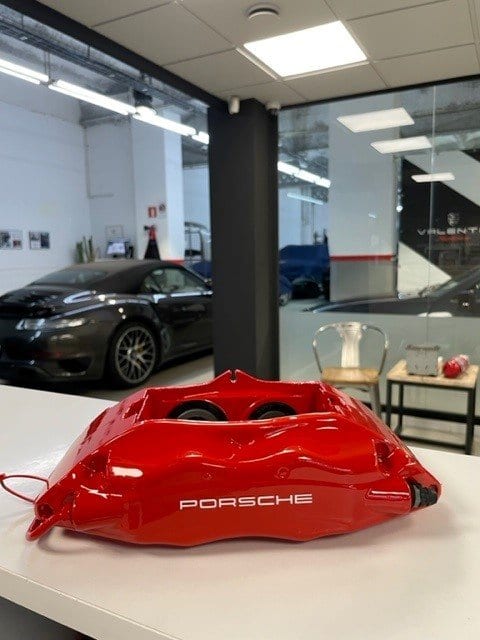
Brake caliper restoration
Restoration of brake calipers
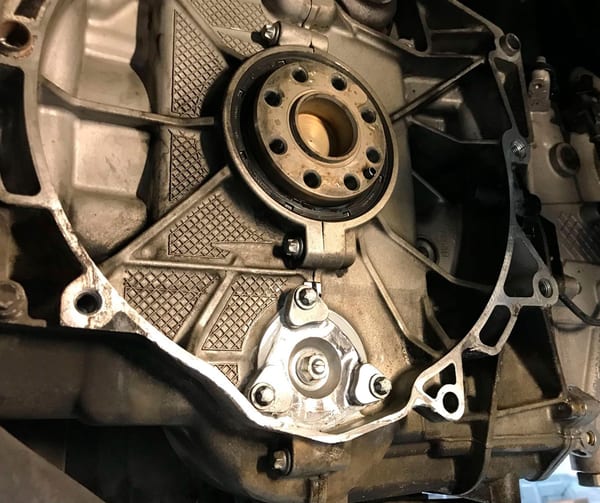
What is the Porsche IMS?
The first generation of the 996/986 series, the M96 and later the M97, has a mechanical weakness in the IMS, the bearing that supp
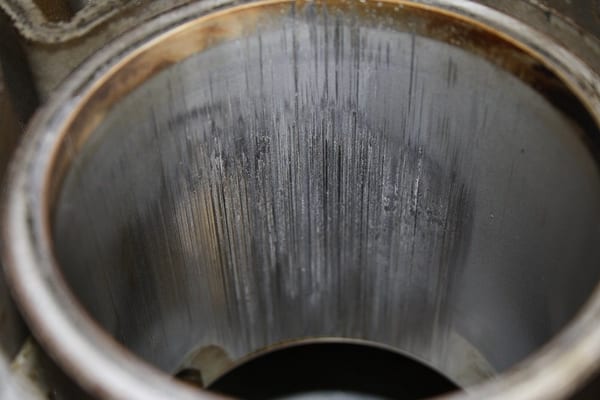
What is Porsche bore scoring?
Bore scoring affects the M97 engines of the 997.1 versions, the GTs aside. It happens when the cylinders wear unevenly, leaving sc