Porsche 911 G guide: versions, common faults and buying advice
- Date
- Words
- Enric Godes
Not all Porsche 911 G are inspected in the same way: critical points of the 2.7, Carrera 3.0, SC and Carrera 3.2 before deciding on a purchase.
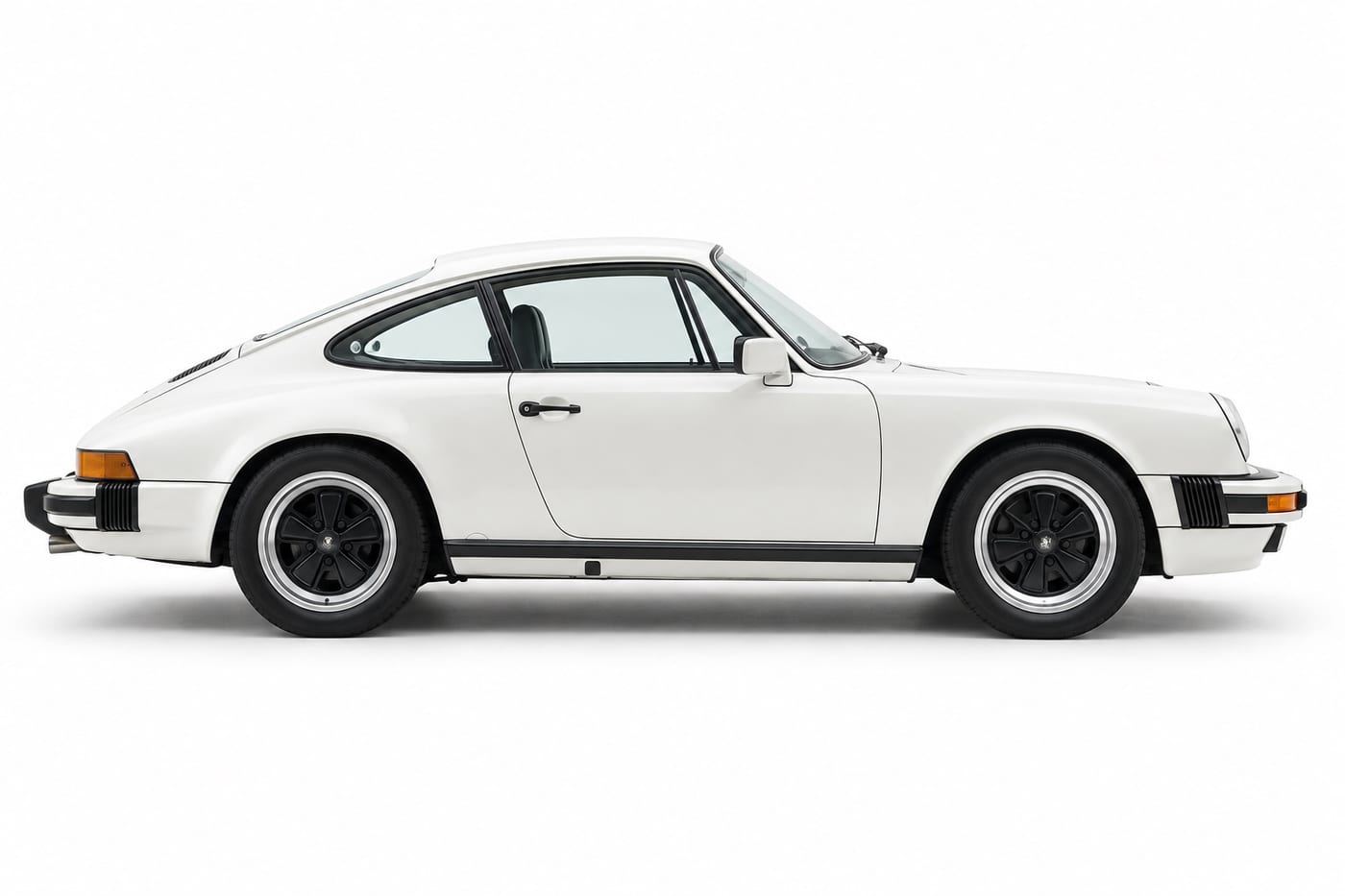
Porsche 911 G, the reference profile for this generation.
The G series maintained the silhouette of the 911 with bellows bumpers for sixteen years, but under that appearance 2.7, Carrera 3.0, SC 3.0 and Carrera 3.2 engines coexist, as well as different gearboxes, injection systems and trim. The commercial name is not enough to buy parts or to anticipate common faults; first establish the model year, market and configuration.
In the workshop, the most expensive problems usually come from three areas: corrosion or accidents repaired decades ago, an engine dismantled without documentation and deferred maintenance on fuel, ignition and gearbox. A restored car is not automatically better. It is important that dimensions, internal protections, torques and tolerances have been respected, and that there is evidence of the process.
This guide excludes the 930 Turbo, which has its own guide. Its objective is to help you separate the particularities of each naturally aspirated version and prepare a useful pre-purchase inspection: cold start, lift, engine measurements, gearbox test and full body inspection.
Porsche 911 G at a glance
- Years
- 1974-1989
- Body styles
- Coupé, Targa, Cabriolet and Speedster
- Engine
- Air-cooled six-cylinder boxer, 2,7-3,2 l
- Power
- 150-231 CV in main European versions
- Transmission
- 915 5-speed manual; G50 since 1987
- Production
- Approximately 198.000 units
Which Porsche 911 G should you choose?
911 2.7
From 1974 to 1977, with different powers per market and version. Magnesium crankcase, temperature, studs and emissions make it especially important to know specification and previous rebuilds.
Carrera 2.7
The European version retains 210 CV and the mechanical injection related to the RS. Its scarcity requires verification of identity, engine, intake system, bodywork and period components.
Carrera 3.0
From 1976 to 1977, 200 CV, aluminium crankcase and CIS injection. It’s a rare transition between Carrera 2.7 and SC; it should not be confused with a modified SC.
911 SC
From 1978 to 1983, 3.0 engine and CIS injection, with European power that evolved from 180 to 204 CV. Sturdy when properly adjusted, but sensitive to air inlets, studs and system maintenance.
Carrera 3.2
From 1984 to 1989, Motronic injection and up to 231 CV in Europe. It uses a 915 gearbox at the beginning and G50 since 1987; monitor valve guides, fuel lines, DME and gearbox condition.
Speedster and special editions
Speedster, Club Sport, 3.2 WTL and commemorative series have specific elements and productions. The premium is only justified after authenticating options and ruling out a subsequent recreation.
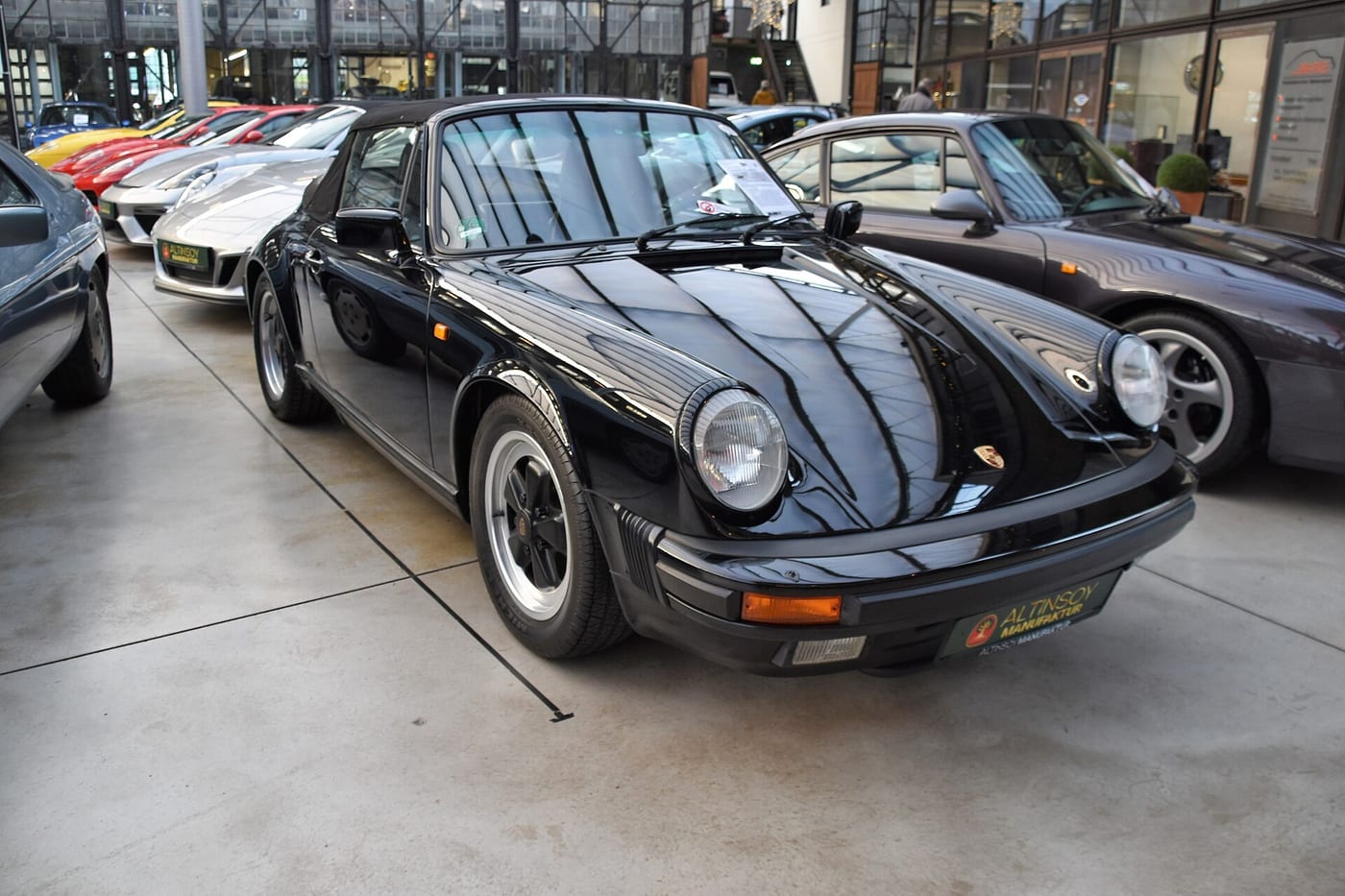
Porsche 911 Carrera from the G series. Photo: Charles from Port Chester, New York, CC BY 2.0, via Wikimedia Commons.
What should you check before buying a Porsche 911 G?
Contrast VIN, engine and gearbox number, paint plate, market and options with the announced configuration. Over such a long period, engines, interiors, wings and gearboxes have been exchanged. Differentiate a reversible improvement from a unit that has lost identity without documentation.
Check battery and front panel, suspension support, wheel arches, pillar bases, side skirts, heating pipes, floors, window frame, rear tray and torsion bar supports. Look for corrosion from both sides and signs of recent welding or sealant.
Cold start without first cleaning the engine. Watch for smoke, noise, pressure and leaks. Measure compression and leaks, examine spark plugs and confirm that the crankcase, heads, cylinders and studs correspond to the invoices if the engine was rebuilt.
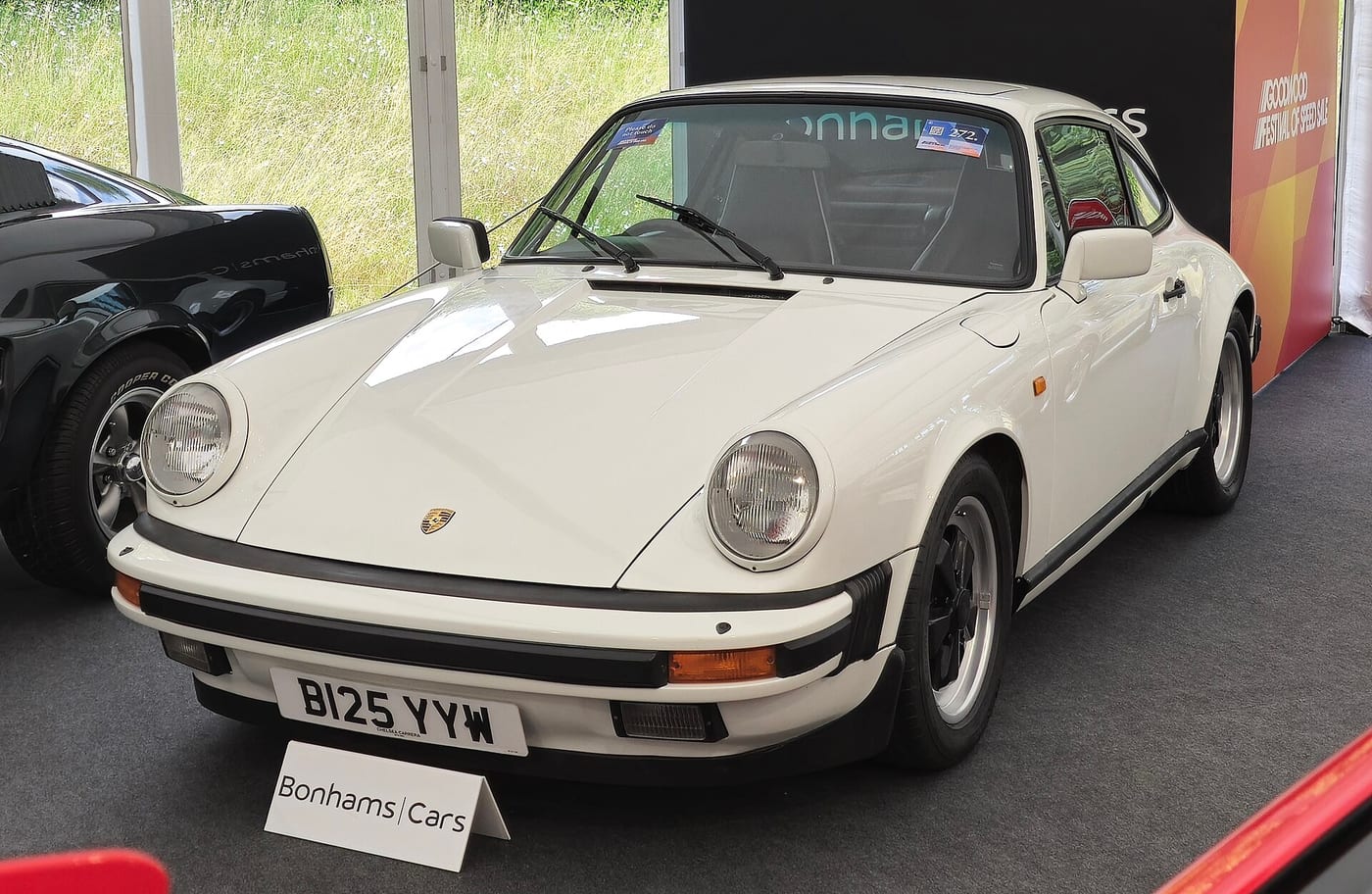
Porsche 911 Carrera from the G series. Photo: Calreyn88, CC BY-SA 4.0, via Wikimedia Commons.
In CIS it checks system and control pressure, intake sealing, starter injector and accumulator. An SC that only starts either cold or hot is not tuned. In Carrera 3.2 check the DME relay, sensors, flow meter and fuel lines.
Test the gearbox completely warm. On a 915, the pattern and effort are particular, but scratching or ejecting a gear is not normal. In G50 check hydraulic clutch and flywheel. Separate bushings and external adjustment from worn internal synchronizers.
Check brakes, tyres, shock absorbers, ball joints and bushings before judging performance. In Targa and Cabriolet check door fit, reinforcements, soft top, drains and leaks. A floppy or crooked body is not corrected with an alignment.
Known Porsche 911 G faults
Hidden corrosion and old accident damage
Bubbles around the window frames or sills are usually the visible part of a larger area. Removing rubber or protections at selected points and measuring diagonals allows you to budget honestly. Covering rust reduces value and can weaken suspension anchors.
2.7: temperature, crankcase and studs
Loss of compression, leaks and stripped studs require checking magnesium crankcase flatness and threads. In cars with thermal systems in certain markets, temperature history is key. A correct rebuild includes machining and justified improvements, not just joints.
CIS and airbox backfire damage
Difficult starting, uneven mixture or backfiring can end up damaging the air intake chamber. A relief valve reduces consequences, but does not correct pressures, ignition or air intakes. First diagnose the cause of the kickback.
Studs and chain tensioners
Clicking, leaking at the base of the cylinder or chain noise when starting deserve immediate inspection. Updated turnbuckles are a known improvement, but their presence does not demonstrate the condition of chains, ramps or studs. Ignoring noise can disrupt the engine’s timing system and cause internal contact.
Carrera 3.2: valve guides and fuel system
Oil consumption and smoke during overrun can indicate guidelines; Odor or humidity in upper lines requires immobilization. The engine may continue to run with an aged line, but a leak on a hot block makes preventive maintenance a safety issue.
915 or G50 gearbox
Scraping in second gear, vague selection, noise or heavy clutch requires distinguishing linkage, bushings, cable or hydraulic, clutch and synchronizers. Forcing the lever accelerates wear. Repairing early usually preserves more reusable components.
These are the workshop areas that step in once the diagnosis confirms it: paint and bodywork, engines and gearboxes.
How is a Porsche 911 G serviced?
Check oil and filter at least once a year, check screens or plugs depending on version and record pressure and consumption. Check for leaks on exchangers and hoses towards the radiator. Warm up by driving with a low load, not at prolonged idling.
Complete maintenance service includes valves, spark plugs, ignition, belts, filters and fuel system testing. In CIS it measures pressures; in Motronic it checks sensors and mixture. Checking fuel lines for age is as important as mileage.
Renew brake fluid, inspect calipers, flexible tubes, discs, bearings and handbrake. Lubricates and adjusts pedals, controls and closures. Gearbox and differential have specific oil and must be checked for leaks and particles.
Maintain suspension as a whole and align after correcting clearances and heights. Protect cavities and drains, especially after a repair. If the car is used little, it takes care of the battery and fuel and performs complete tours regularly.
The 911 servicing rates give an idea of the scope of each service. The final quote depends on what turns up on the car.
What we have done at Valentín Motors
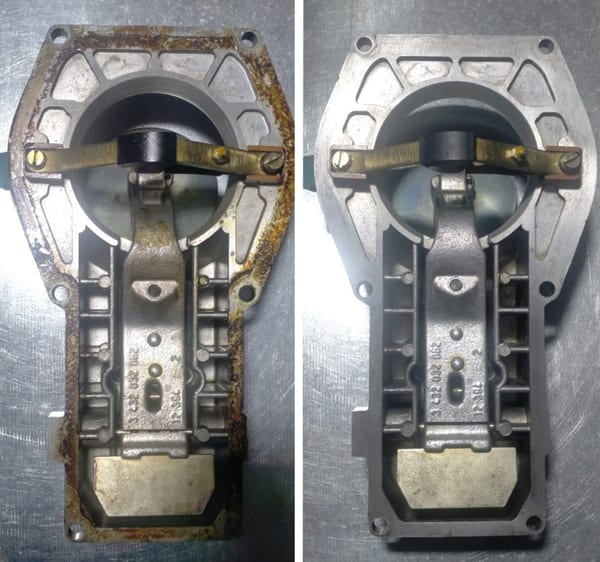
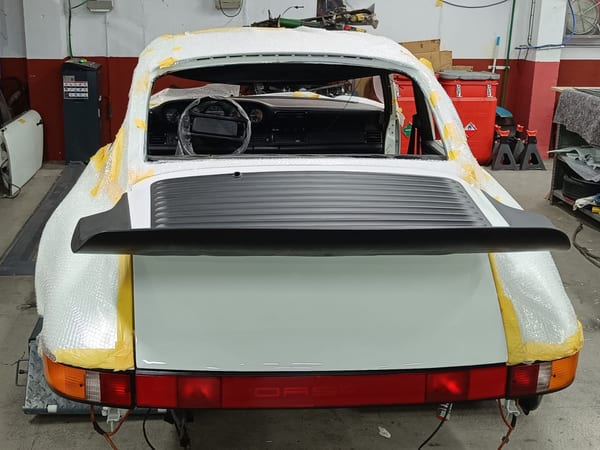
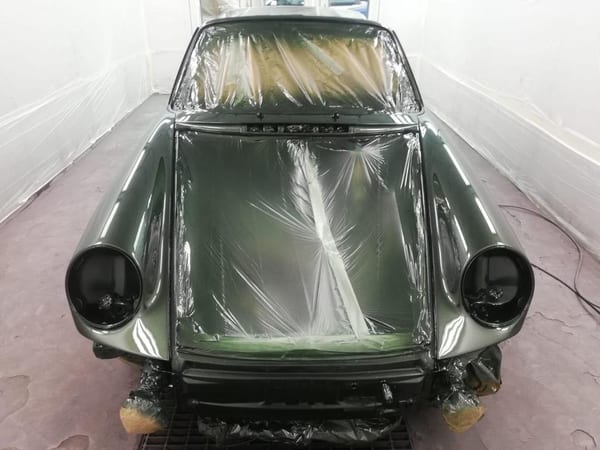
The Magazine includes rehabilitations of 2.2, 2.7 and 3.2 engines, restoration of the CIS system, painting of a 911 G and complete projects on Targa of this generation.
The documentation allows you to compare how the diagnosis changes between an early engine, an SC with CIS and a Carrera 3.2, without turning a solution into a universal recipe.
Who is a Porsche 911 G for?
It is suitable for those who want an air-cooled 911 with spare parts and specialists available, and are willing to prioritise the mechanical generation over colour. The SC is a balanced starting point; 3.2 facilitates diagnosis; the earlier 2.7 and Carrera require more research and may offer more historical character.
It is not suitable for those who expect modern driving, effective air conditioning without refurbishment or the absence of rust due to living in a dry climate. A 964 adds ABS and power steering; a 911 F is lighter and older; a 996 offers everyday use for less money, with different mechanical risks.