Porsche 991 guide: versions, common faults and buying advice
- Date
- Words
- Enric Godes
How to choose between Porsche 991.1 and 991.2 and what to check in PDK, cooling, dynamic engine mounts, chassis, brakes and electronics.
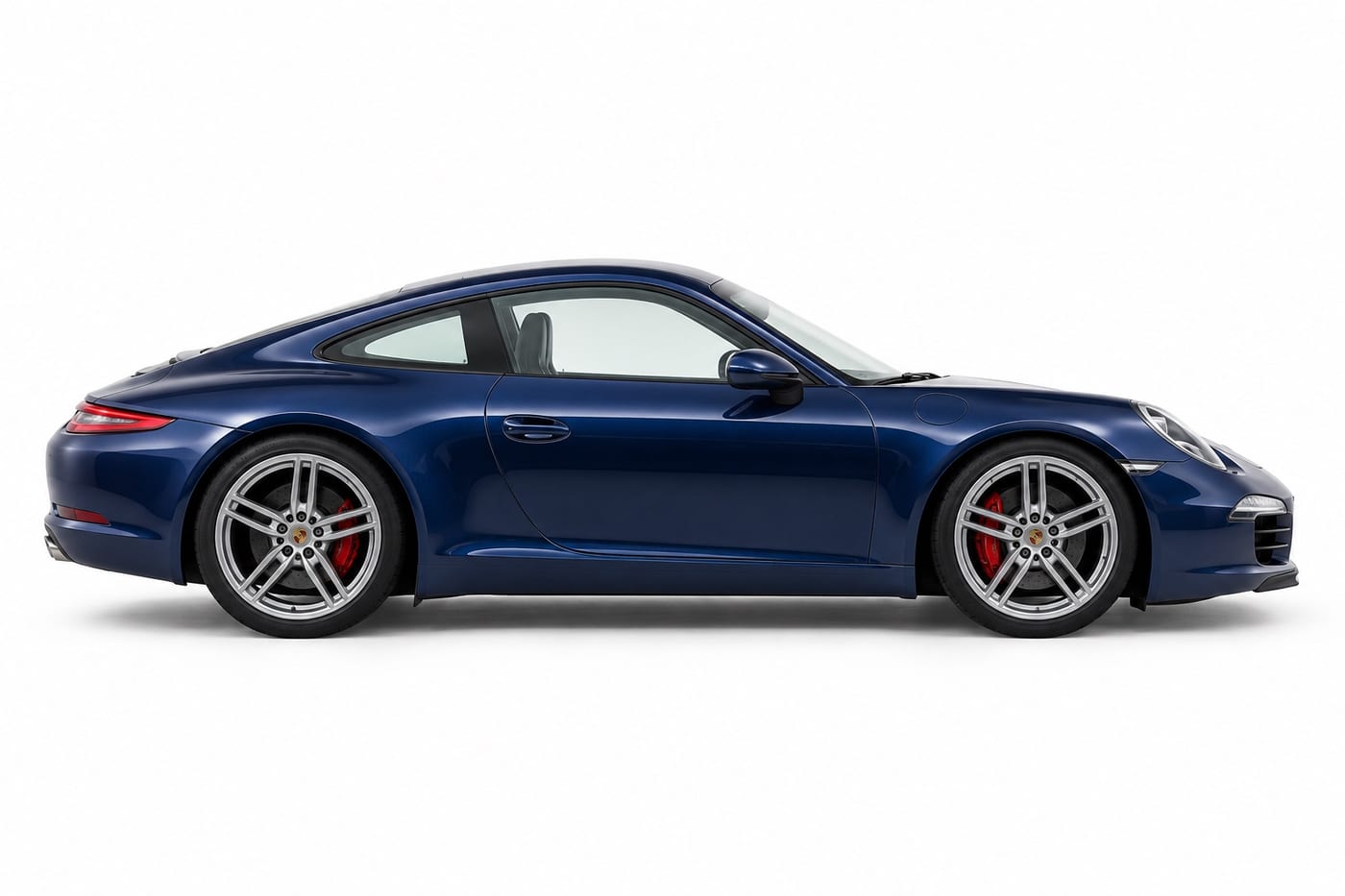
Porsche 991, the reference profile for this generation.
The Porsche 991 gained a longer wheelbase, used more aluminium and made PDK the most popular transmission, while retaining the 911’s 2+2 layout. The first series has naturally aspirated Carrera engines of 3,4 and 3,8 litres; the 991.2 uses a 3,0 twin-turbo. This changes the character, response and inspection priorities, although both have substantially more complex electronics and chassis systems than a 997.
From a workshop perspective, a 991 is not evaluated by mileage or digital history alone. It is advisable to read faults, hours, over-rev events, PDK adaptations, brake wear and status of optional systems such as PASM, PDCC, PADM, front-axle lift or rear steering. The more equipment is fitted, the more important it is to test each function.
The inspection must also distinguish official service campaigns from common faults and modifications. A leak, reprogramming or track use does not condemn a unit if it is documented and maintenance has been adapted; hiding them does alter the valuation and traceability.
Porsche 991 at a glance
- Years
- 2011-2019
- Body styles
- Coupé, Cabriolet and Targa
- Engine
- Six-cylinder boxer, 3,4-4,0 l; Carrera 991.2 twin-turbo 3,0 l
- Power
- 350-700 CV according to European version
- Transmission
- 7-speed manual or 7-speed PDK
- Production
- 233.540 units
Which Porsche 991 should you choose?
Carrera 991.1
3,4 litres and 350 CV; the Carrera S uses 3,8 litres and 400 CV. They are the last large-series naturally aspirated Carrera and require checking cooling, injection, coils and consumption without applying M97 diagnostics.
Carrera 991.2
Since 2015, 3,0 twin-turbo engine with 370 CV in Carrera and 420 CV in Carrera S. Check pressure, actuators, charge-air system and modifications in addition to the common base.
Carrera GTS
430 CV in 991.1 and 450 CV in 991.2, with specific chassis and equipment depending on configuration. Confirm options and parts, because many Carrera incorporate GTS elements later.
Targa and Carrera 4
All-wheel drive and wide body; the Targa brings back the arch and adds a complex roof mechanism. Test the complete cycle, drains, glass adjustment and absence of warnings.
Turbo and Turbo S
3,8 litre twin-turbo, all-wheel drive and PDK, from 520 to 580 CV in regular versions. Active aerodynamics, brakes and cooling require diagnosis and corresponding consumables.
GT3, GT3 RS and GT2 RS
3,8 or 4,0 litre naturally aspirated engines in GT3/RS and 700 CV twin-turbo in GT2 RS. Check campaigns, installed engine, track use, over-rev events, centre-lock wheels and carbon parts.
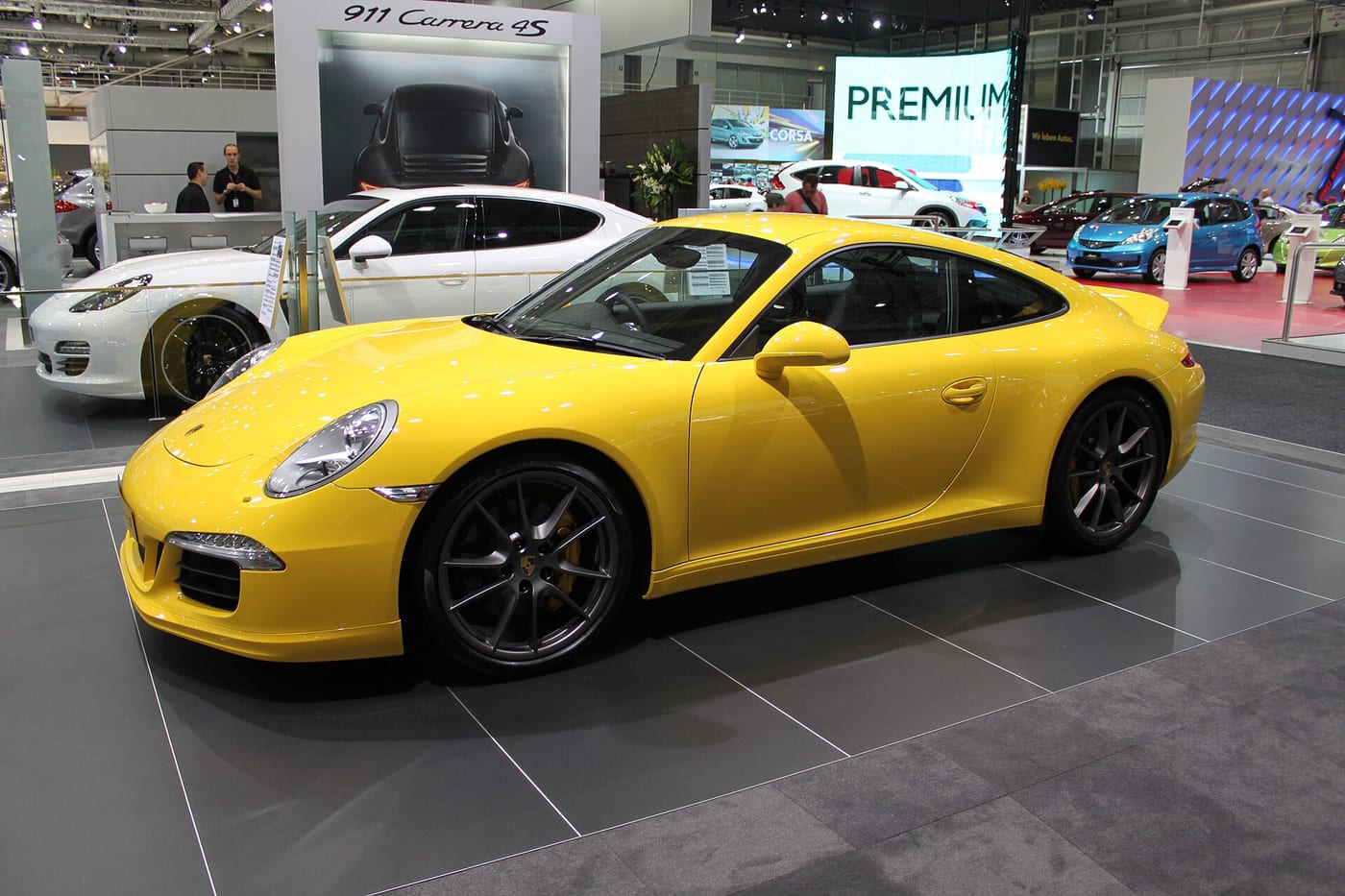
Porsche 911 from the 991 generation. Photo: Jeremy from Sydney, Australia, CC BY 2.0, via Wikimedia Commons.

What should you check before buying a Porsche 991?
Separate 991.1 and 991.2 by VIN and engine, and download factory equipment. Check PASM, PDCC, PADM, Rear Axle Steer, Sport Chrono, Exhaust, PCCB and Lift. Each option adds value only if it works and has verifiable maintenance.
Read complete diagnosis before deleting faults: hours, mileage recorded in control modules, manual over-rev events, combustion faults, fuel pressure, actuators, temperatures and PDK values. Compare hours with steering wheel, pedals, seat, discs and tyre wear.
Cold start, listen to chains and tappets, observe smoke and check pressure and temperature until stable. In 991.2 it records boost pressure and looks for whistling, unresponsiveness or actuator repairs. A reprogramming requires more conservative maintenance invoices and testing.

Porsche 911 from the 991 generation. Photo: Charles from Port Chester, New York, CC BY 2.0, via Wikimedia Commons.

Remove necessary protections to check radiators, condensers, pumps, switching valves, hoses and residue. Sweet smell or repeated fans are not solved by recharging air conditioning. Test circuit pressure if there are traces.
In PDK test maneuvers, smooth exit, changes at low load, reductions and working temperature. On manual models it checks the clutch, selector and over-rev events ranges. Check PADM mounts, which can fail electrically even if the car appears to drive fine.
Measure paint and underbody, especially on GT, underbody or lift cars. Check rims, PCCB discs, centre-lock wheels, tyres and geometry. A curb hit can affect the tyre, arm, and steering without leaving a visible repair on the fender.
Known Porsche 991 faults
Water pump and cooling valves
Smell of coolant, variable temperature, active fans or intermittent warnings require pressure testing and activation with diagnosis. A clogged vacuum valve, pump, or radiator can produce the same general symptom; Changing the most accessible piece without measuring delays the solution.
PADM dynamic engine mounts
A dynamic engine-mount warning may originate in the mount, wiring or control module. The car can still be driven, but control of drivetrain movement and the Sport function change. Read the fault codes and check both sides before automatically replacing the pair.
PDK and dual-mass flywheel
Shaking when starting, knocking, noise when shutting off, or slow shifting may involve clutches, flywheel, support, software, or hydraulics. Wear and adaptation values help separate causes. Ignoring the symptom until emergency mode reduces alternatives.
PASM, suspension arms and rear-wheel steering
Bounce, drift, warnings or irregular wear should not be corrected with alignment alone. Examine shock absorbers, arms, ball joints, height sensors and rear axle actuators. Correct geometry on parts with clearance is short-lived.
991.2: boost and intake system
Loss of thrust, whistling, inconsistent pressure or mixture failure require leak testing, actuators, sensors and turbos. A loose clamp and a worn turbo do not justify the same repair. Continuing to load can raise temperature and damage catalytic converters.
Trim, drains and battery
Warped door panels, peeling headliner, humidity or multiple warnings after periods of idling are common due to age and use. Clean drains and test battery and load before replacing modules; Low voltage generates secondary failures that confuse the diagnosis.
These are the workshop areas that step in once the diagnosis confirms it: gearboxes.
How is a Porsche 991 serviced?
Even if the plan allows longer intervals, an annual check with oil and filter is sensible in short, urban or sports use. Record consumption and open the filter if there is suspicion. Respect approved oil and temperature before demanding load.
The complete maintenance service includes spark plugs, filters, belt, coils, cooling, brakes and underbody. On the 991.2, also inspect the charge-air system; In direct injection, investigate injector failures or deposits only when symptoms and measurements support it.
PDK, differential and all-wheel drive service should follow time, mileage and use. Renew brake fluid, check PCCB with appropriate measurement and apply centre-lock wheels procedure. For circuit it reduces intervals and records temperatures and torques.
Keep radiators and drains clean, test batteries and update software or campaigns via VIN. After suspension, rear steering or tyres, perform calibrations and geometry. An update of technical maintenance provides more than accessories on a basis without history.
Before prolonged immobilization, check tyre pressure, fuel and battery, but avoid leaving the brake working on wet discs. When you recover the car, inspect for leaks and brake condition before demanding the engine and PDK.
The 911 servicing rates give an idea of the scope of each service. The final quote depends on what turns up on the car.
What we have done at Valentín Motors
The essential inspections and brake work published in the Magazine reflect the useful approach for a 991: complete diagnosis, measurement of consumables and post-examination estimate.
When there is no published case of this generation, we do not attribute to the 991 works of another model. The links serve as an example of a process, not a substitute for a specific inspection.
Who is a Porsche 991 for?
It is suitable for those who want to travel, use the car frequently and maintain 911 driving sensations with much more stability and comfort. The 991.1 offers naturally aspirated Carrera engines; the 991.2 adds torque and efficiency; GT and Turbo need a budget for tyres, brakes and active options accordingly.
It is not suitable for those who want visible mechanics and little electronics. A 997 is more compact and simpler; a 992 offers a more modern interface and aids, but adds complexity. Choose for use and necessary equipment, not for accumulating options that you are not going to maintain.
Related work
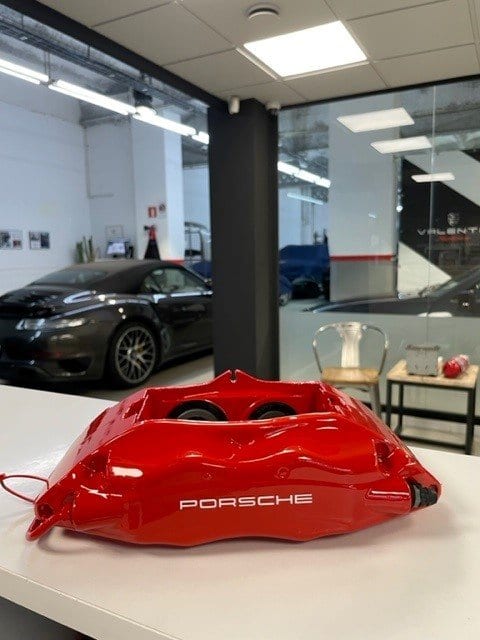
Brake caliper restoration
Restoration of brake calipers
Ten things you should know before buying a Porsche 911
10 checks before buying a Porsche 911: how to spot accident damage, obtain a detailed report and identify the inspections that mat
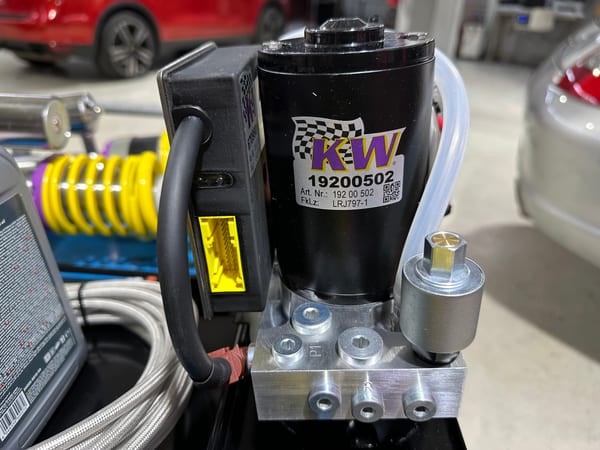
Nose lift system for 997.1 (front axle lift system)
Nose lift front system