Porsche 968 guide: versions, common faults and buying advice
- Date
- Words
- Enric Godes
What to check on a Porsche 968 before buying: engine valve timing system, Variocam chain guides, pump, clutch, transaxle, bodywork and Club Sport authenticity.
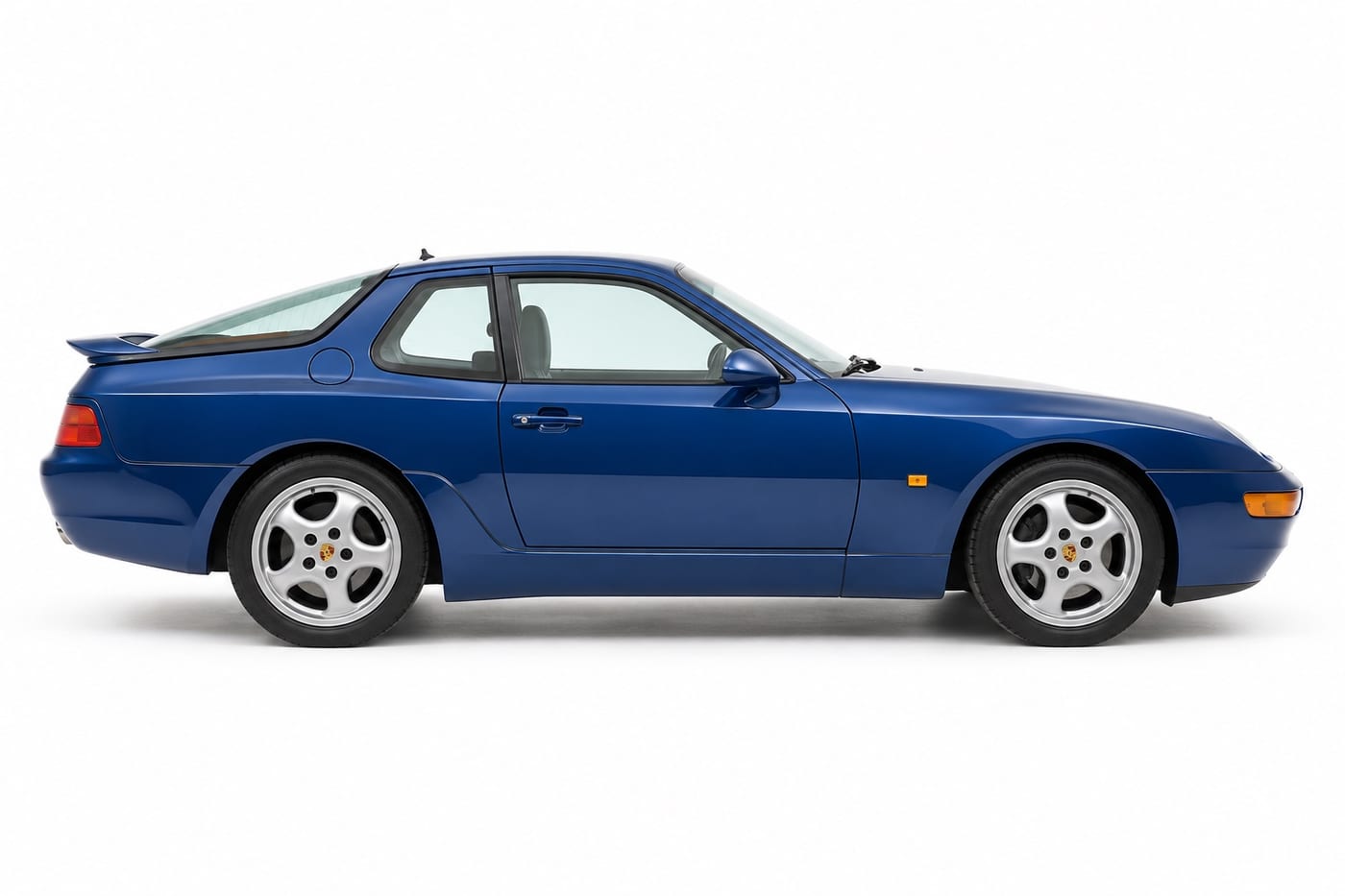
Porsche 968, the reference profile for this generation.
The Porsche 968 is the final evolution of the four-cylinder transaxle family. Its three-litre engine produces 240 CV, combining belt-driven camshafts with a Variocam system operated by a chain between the camshafts. The range offers a six-speed manual or Tiptronic gearbox and Coupé, Cabriolet and Club Sport versions. These specific features require a different inspection from a basic 944.
Short production and increasing value have encouraged aesthetic conversions to Club Sport and repairs with parts from other variants. Before paying a premium you must check option codes, seats, windows, insulation, tyres, suspension and colour. A later lightened unit may be good to drive, but it doesn’t have the same identity.
In the workshop, the timing system and Variocam must be checked before a long road test if reliable invoices are missing. Oil, cooling, the dual-mass flywheel, clutch, torque tube and transaxle follow. A sound 968 delivers torque smoothly; vibration, noise from the top of the engine or a rear-end hum need diagnosis, rather than an explanation based on mileage.
Porsche 968 at a glance
- Years
- 1991-1995
- Body styles
- Coupé and Cabriolet
- Engine
- Front four-cylinder, 3,0 l, 16 valves and Variocam
- Power
- 240-305 CV in production versions
- Transmission
- 6-speed manual or 4-speed Tiptronic
- Production
- 12.776 units
Which Porsche 968 should you choose?
968 Coupé
The main version, 240 CV, hatchback and 2+2 configuration. Manual and Tiptronic offer different characters; Engine timing system, Variocam and transmission history matters more than the gearbox chosen.
968 Cabriolet
Same 240 CV engine with open body. Check soft top, motors, microswitches, drains, reinforcements, door adjustment and humidity in modules or carpets.
968 Club Sport
240 CV and lightening through seats, less insulation and simplified equipment according to the market. Options could restore comfort, so authenticity is verified by codes, not by the absence of rear seats.
968 Sport
Version offered in some markets with Club Sport elements and greater equipment. It should not be confused with an informal name applied to a modified Coupé.
968 Turbo S
Very low production, 305 CV supercharged engine and specific components. Any unit requires expert examination of identity, bodywork, engine, transmission and origin.
968 Turbo RS
Competition variant manufactured in minimum numbers. Its assessment corresponds to specialists in racing cars and historical documentation, not a conventional road pre-purchase.
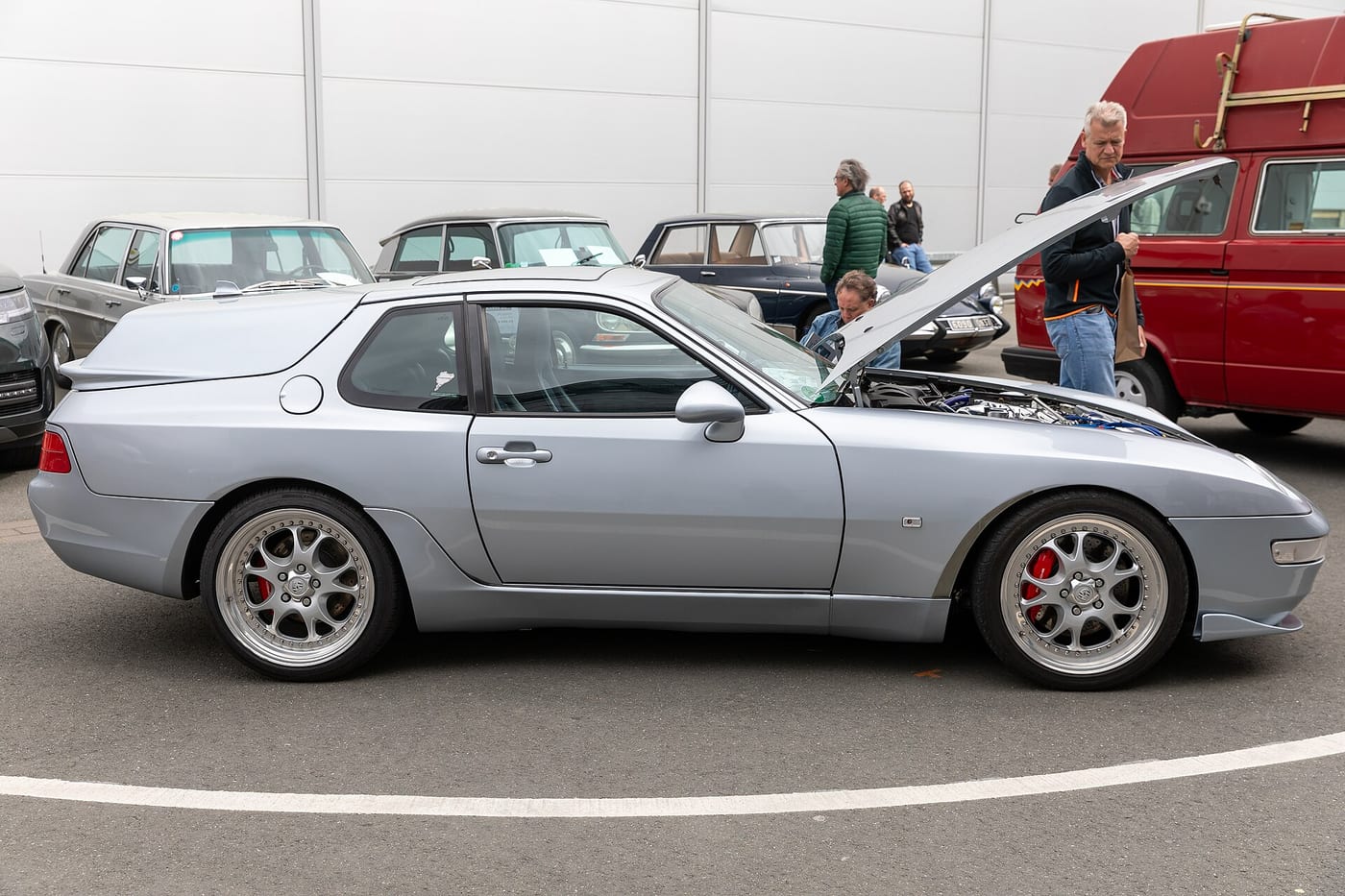
Porsche 968 Coupé. Photo: Matti Blume, CC BY-SA 4.0, via Wikimedia Commons.
What should you check before buying a Porsche 968?
Ask for invoices for the timing belt, balance shaft belt, rollers, tensioners and water pump, showing date and mileage. If these are missing, budget for immediate work and avoid a long road test: a belt failure can cause contact between pistons and valves.
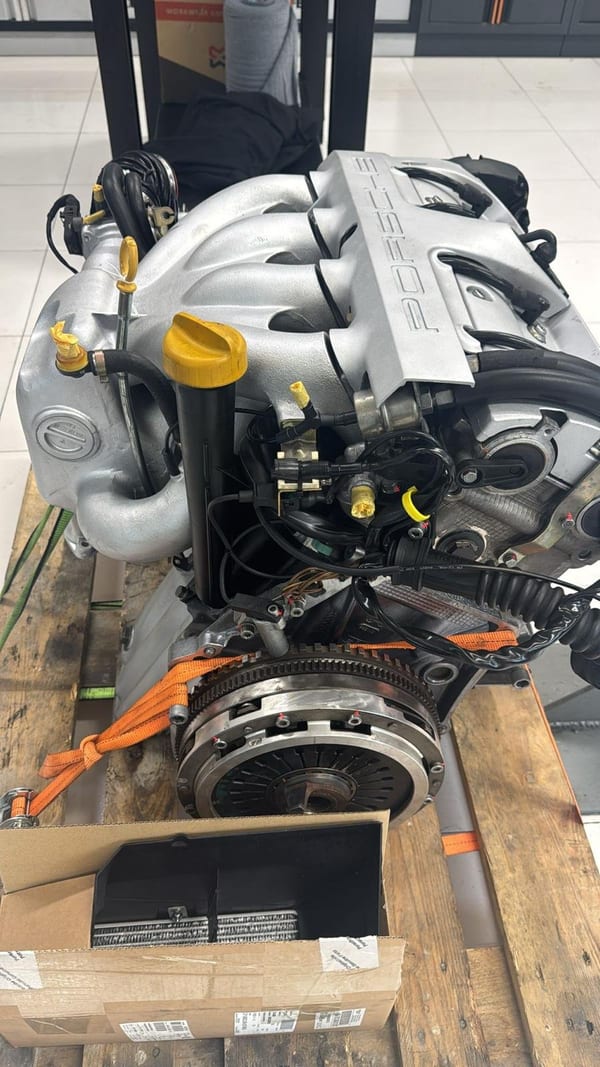
Open the top cover necessary to inspect the Variocam chain, chain guides, tensioner and axle teeth. chain guide thickness and tooth condition matter even if there is no noise. Plastic chips or irregular marks increase the urgency.
Cold start, checks pressure, smoke, leaks and vibration. Check oil in coolant, cooler housing, seals and front. A poorly set balance shaft or incorrect belt can make a healthy engine appear rough.
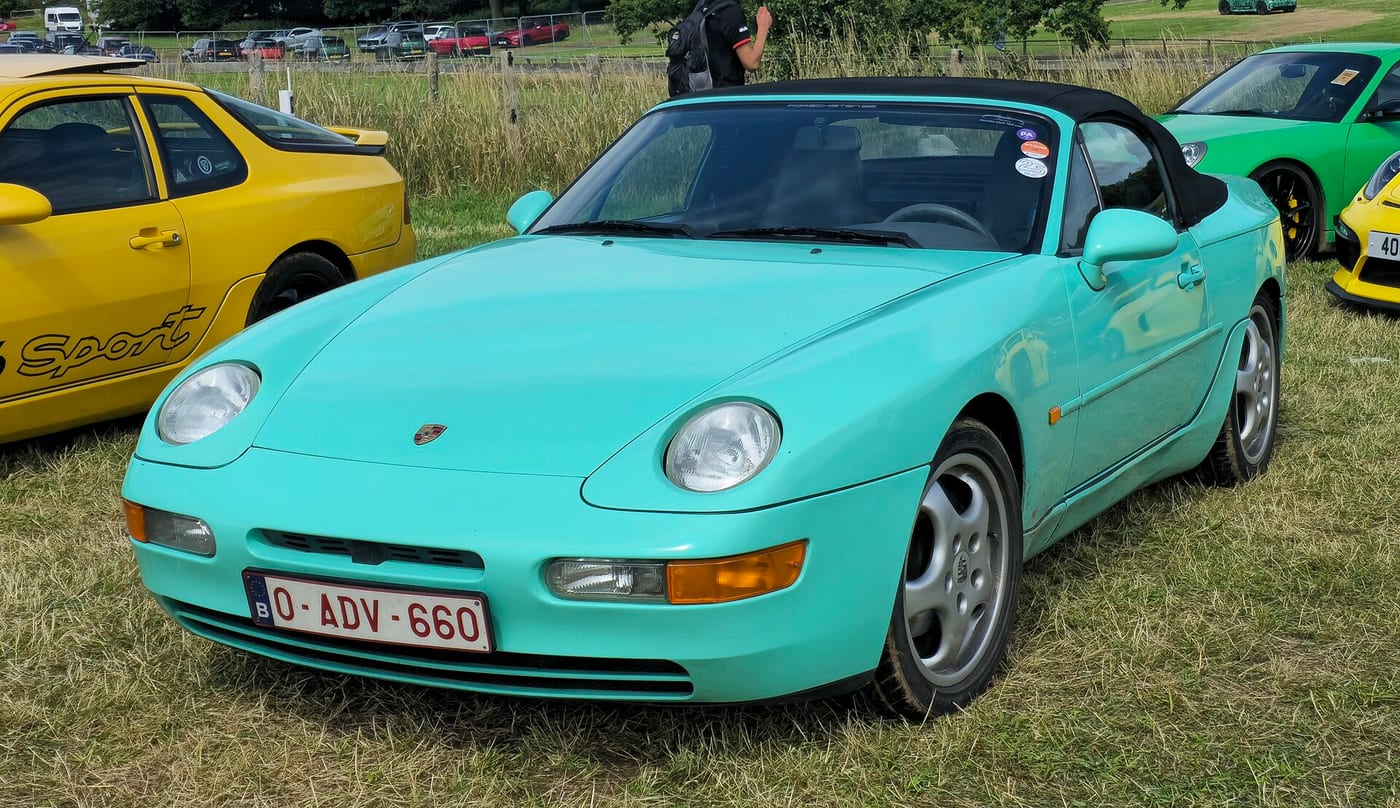
Porsche 968 Coupé. Photo: Calreyn88, CC BY-SA 4.0, via Wikimedia Commons.
Test the clutch, dual-mass flywheel and six-speed manual with the engine cold and warm. Listen to torque tube and transaxle at constant load and overrun. At Tiptronic it checks selection, changes, leaks and documented service, without treating the fluid as permanent.
Inspect side sills, lifting points, battery, floors, wheel arches, tailgate and window seal. Check alignment of headlights, hoods and wings for dents. In Cabriolet it adds reinforcements, soft top, drainage and operation of microswitches.
For Club Sport, compare VIN and option codes with seats, tyres, suspension, windows, airbag, insulation and colour. A recreation may drive well, but its price and insurance must reflect the actual identity and declared modifications.
Known Porsche 968 faults
Belts, rollers and water pump
Whistling, knocking, loss or expired history requires checking before driving. Assembly requires precise tensioning and timing, including balance shafts. A blocked pump or seized roller can destroy a newly installed belt.
Variocam chain guides and chain
Higher noise, plastic in oil or thin chain guide anticipate damage to the chain and camshaft teeth. If it jumps, the cylinder head may suffer internal contact. Replacing just the chain guide without measuring the tensioner, chain and sprockets can leave the cause active.
Oil cooler and seals
Emulsion, oil in vessel or external leak requires testing to distinguish casing, cylinder head and other sources. After repairing, both circuits must be cleaned and stability confirmed. Mixed fluids damage hoses, bearings and cooling capacity.
Dual-mass flywheel and clutch
Rattle when turning off, vibration, uneven pedal or slipping under torque indicate different components. Access is laborious; During disassembly, it is advisable to measure the flywheel, disc, pressure plate, bearing, fork and seals to avoid repeating labor.
Transaxle and pinion bearing
Hum that varies with load, clearance or particles in oil requires locating differential, pinion, torque tube or bearings. Continuing to drive can damage reusable gears. Tyre noise should be ruled out by test and lift.
Tailgate, headlights and electrics
Detached window, humidity, headlights that do not complete the cycle or intermittent picture are usually related to drains, earth connections and aging mechanisms. Sealing the gate without adjusting the instrument cluster and drains displaces water and does not eliminate torque or noise.
These are the workshop areas that step in once the diagnosis confirms it: engines and gearboxes.
How is a Porsche 968 serviced?
Manage belts by time and mileage with subsequent tension check. Inspect Variocam at each relevant intervention and record thickness of chain guides, chain and teeth. An itemized invoice protects the engine and the value of the car.
Annual oil and filter, correct coolant and timed brake fluid create a base. Check cooler, fuel lines, pump, fans and thermostat. Keep the front clean to preserve thermal margin.
Change manual or Tiptronic lubricant and differential according to plan and use, controlling particles and leaks. Check clutch, flywheel, torque tube and gaskets. After suspension or tyres, align only with verified arms and heights.
Clean roof, tailgate and Cabriolet drains, test batteries and earth connections and use the car with complete tours. Before restoring finishes, resolve water, fuel and engine valve timing system; These are the areas that turn a stored unit into a major repair.
On a newly purchased unit with no history, create a reference sheet with oil pressure, compression or leaks if applicable, belt tension, Variocam status, temperature, fluid residue and transaxle noise. Repeating these observations allows changes to be detected before an open fault appears.
After lifting the car, check that the four support points retain their shape and protection. Lifting damage opens up the paint and begins corrosion where it cannot be seen from above. Correct and seal before returning coatings.
The transaxle servicing rates give an idea of the scope of each service. The final quote depends on what turns up on the car.
What we have done at Valentín Motors
Valentín Motors has documented the rebuild of a 968 engine and other work on units of this family, showing measurement, machining and assembly instead of limiting itself to the external result.
That process is especially relevant for Variocam and cylinders: the scope is decided after disassembly and measurement, not by a closed parts list.
Who is a Porsche 968 for?
It is suitable for those who want the most developed four-cylinder transaxle, with torque, practicality and limited production numbers. The manual coupé offers the most direct experience; Tiptronic facilitates relaxed use; the Club Sport makes sense if authenticity and reduced comfort suit your needs.
It is not suitable for those who want to save by postponing belts or Variocam, nor for those who pay a Club Sport premium without seeing codes. A 944 S2 is similar in architecture and has a different price; a 928 adds V8 and complexity; a 986 offers a more modern mid-engine and driving sensations.