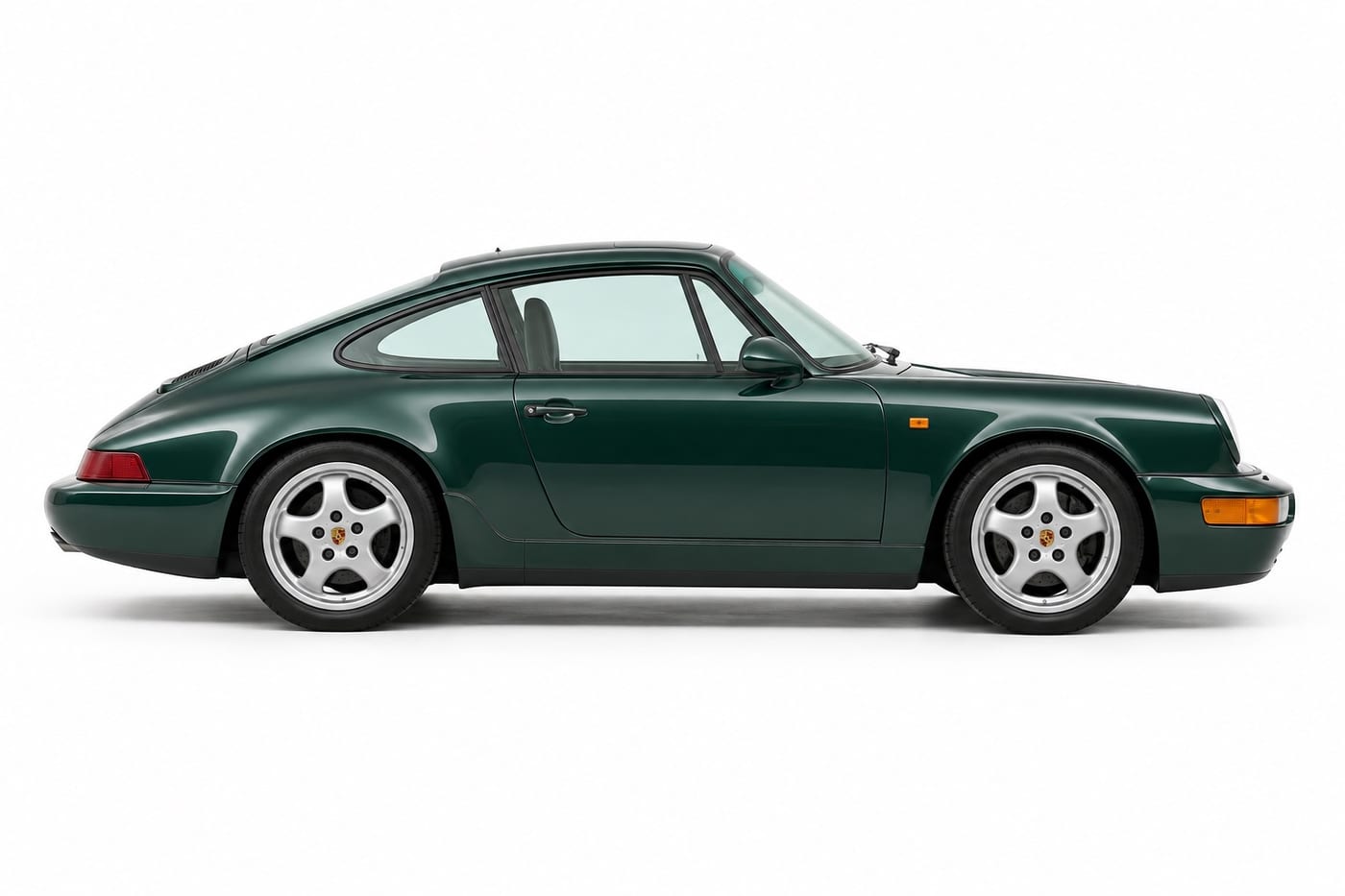
Porsche 964 guide: versions, common faults and buying advice
- Date
- Words
- Enric Godes
Which Porsche 964 to choose, what to check before buying it and what symptoms should not be treated as normal in an air-cooled 911 that is already over thirty years old.
Porsche 964, the reference profile for this generation.
The Porsche 964 maintains the size and appearance of a classic 911, but introduced a much more modern technical foundation: power steering, ABS, more complex air conditioning, automatic rear spoiler and, in the Carrera 4, all-wheel drive. This combination explains its current appeal, although it also means that an apparently simple car can accumulate electrical, hydraulic and air conditioning faults that do not exist in previous generations.
From a workshop perspective, the key is how the car has been driven and documented, rather than an advertised low mileage. A regularly used 964 with controlled oil leaks, a serviced twin-ignition system and renewed suspension is usually a more sensible purchase than one stored for years and prepared only for sale. The inspection should distinguish tolerable oil misting from an active leak, and genuine preservation from cosmetic restoration.
This guide is for comparing versions and ordering an inspection before purchasing. It is not a substitute for measuring compression and leaks, inspecting the underbody and checking numbers, history and equipment on the specific car. On a 964, a small difference in condition can mean a big difference in budget during the first few years of ownership.
Porsche 964 at a glance
- Years
- 1989-1994
- Body styles
- Coupé, Cabriolet, Targa and Speedster
- Engine
- Air-cooled six-cylinder boxer, 3,6 l; Turbo 3,3 and 3,6 l
- Power
- 250-381 CV according to European version
- Transmission
- 5-speed manual or 4-speed Tiptronic
- Production
- 63.762 units, all variants
Which Porsche 964 should you choose?
Carrera 4
First introduced for the 1989 model year, with 3,6 litres and 250 CV. Its mechanical all-wheel-drive system provides safety, but adds transmission, actuators and maintenance that must be checked methodically.
Carrera 2
Since the 1990 model year, with 250 CV, rear propulsion and manual or Tiptronic transmission. It is the most direct base for those looking for regular use and a less complex architecture than that of the Carrera 4.
Carrera RS
Lightened version from 1992, with 260 CV in European specification; the later RS 3.8 reached 300 CV. Suspension, brakes, bodywork and authenticity weigh as much as the condition of the engine.
Turbo 3.3
Manufactured since 1990 with 320 CV; the Turbo S reached 381 CV in very limited-production configurations. Retains the power delivery of the 930 family and requires checking turbo, CIS, ignition and temperature.
Turbo 3.6
Launched for 1993 with 360 CV and greater torque. Its value makes it especially important to verify identity, factory equipment, structural repairs and engine and gearbox correspondence.
Speedster and special editions
The 1993 Speedster and editions like the 30 Jahre have limited production and specific details. Before paying the premium, it is advisable to document that these elements do not come from a subsequent transformation.
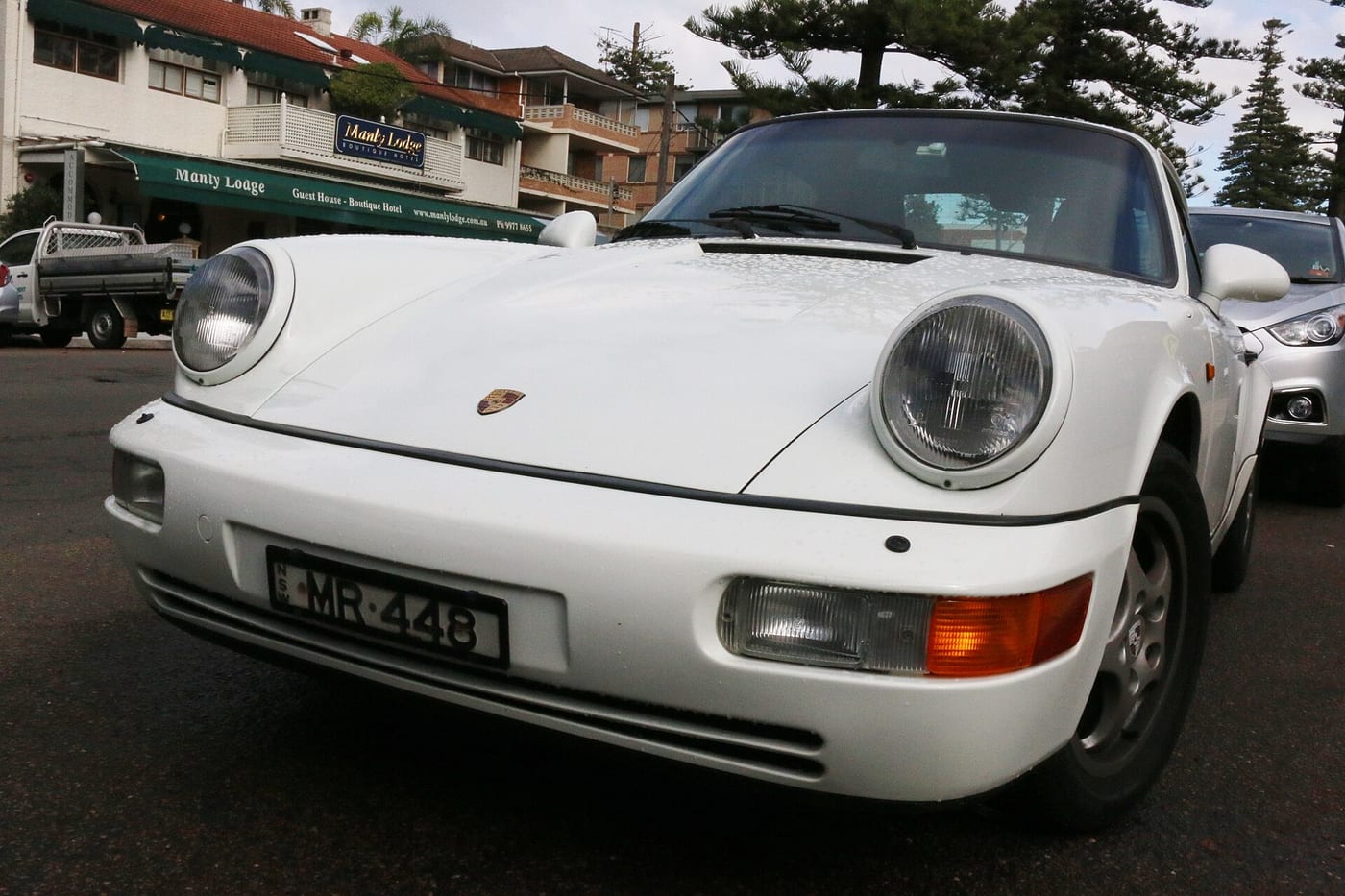
Porsche 911 from the 964 generation. Photo: Jeremy from Sydney, Australia, CC BY 2.0, via Wikimedia Commons.

What should you check before buying a Porsche 964?
Ask for invoices, not just service-book stamps. Look for dates for adjustments, clutch and dual-mass flywheel, maintenance of the double distributor, shock absorbers, flexible tubes, air conditioning and leak repair. A coherent dossier makes it possible to distinguish credible mileage from an odometer reading without context.
With the engine cold, observe engine cranking, smoke, and timing system noises. Then measure compression and cylinder leaks, examines spark plugs and checks hot oil pressure. The state is not decided by a photograph of the clean block or by a single compression figure.
Check cylinder head and cylinder joints, rocker covers, return pipes, seals and area between engine and gearbox. The first M64 engines without a head gasket deserve special attention, but not all of them need to be opened: real loss, gases, oil consumption and evolution must be assessed.
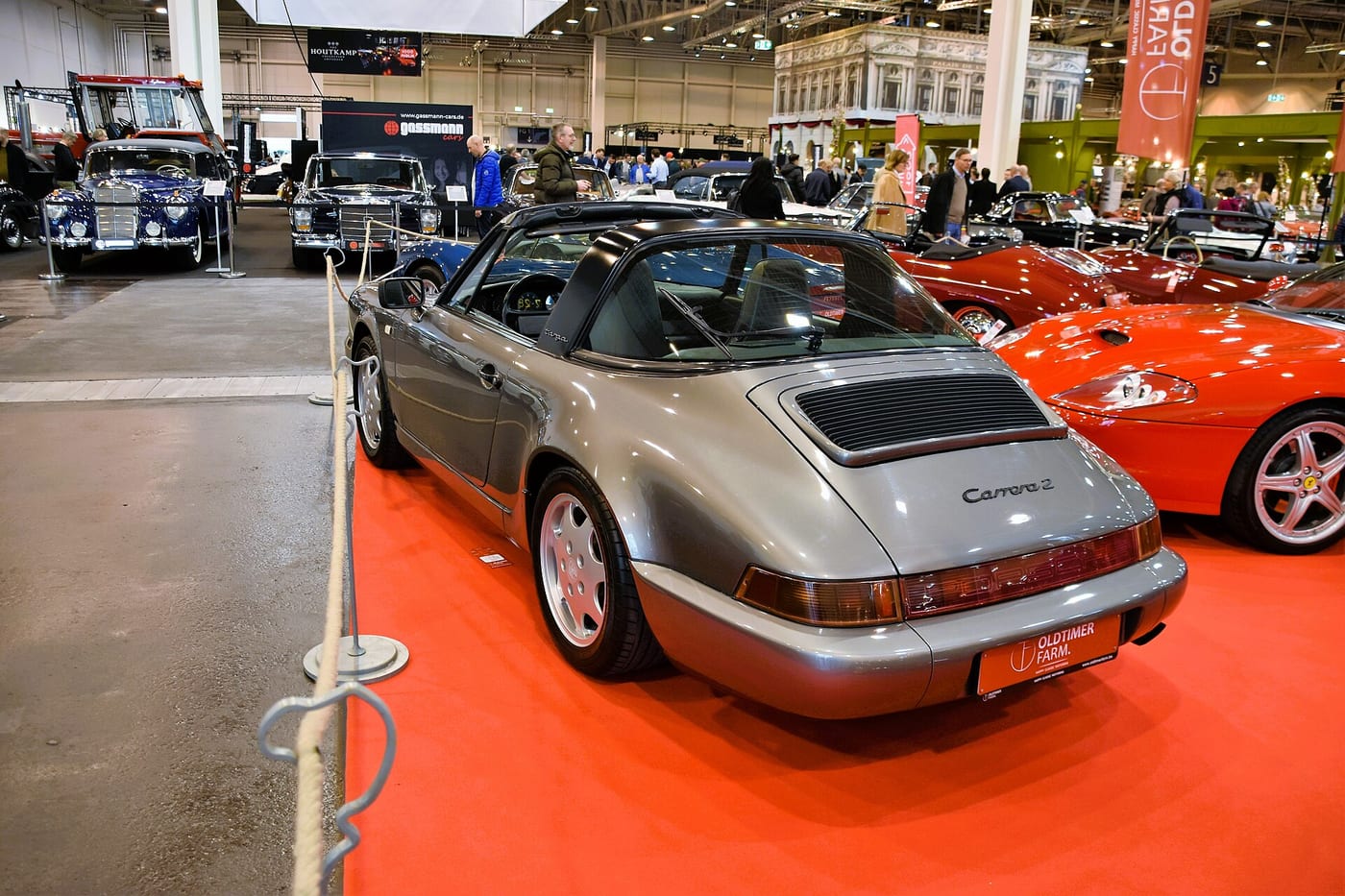
Porsche 911 from the 964 generation. Photo: Charles from Port Chester, New York, CC BY 2.0, via Wikimedia Commons.

Check that both rotors receive spark and that the distributor has proper ventilation. A broken internal belt can leave the engine running on a single ignition, raise temperatures and cause detonation without the driver immediately realizing the cause.
Measure paint thicknesses and examine turrets, wings, cross members, window frames, rain gutters, floors and lifting points. Corrosion is usually hidden under rubber or old repairs. Irregular alignments can indicate a poorly resolved shot.
Test the heating, air conditioning, fans, automatic spoiler, roof and electric windows. On the Carrera 4, check the differential locks, warning lights and absence of judder. On Tiptronic models, check that every gear engages smoothly and that the oil does not smell burnt.
Known Porsche 964 faults
Oil leaks and sealing problems
A light oil film does not equal a puddle after each stop. The smell of burnt oil, smoke from the exchangers, fresh drops or dirt that reappears after cleaning requires the source to be located. Ignoring it deteriorates hoses, fouls the cooling and can turn an exterior repair into a major intervention.
Twin-distributor belt
The engine can continue to start when one of the two banks of spark plugs has stopped firing. Strange idling, unresponsiveness, or an uneven spark check warrant stopping the diagnosis. Maintaining ventilation and checking the belt avoids working with inadequate temperatures and combustion.
Dual-mass flywheel, clutch and G50 gearbox
Vibration at idle, rattling when shutting off, uneven pedal, slipping clutch or scratching gears point to different wear. The test must be done with the engine cold and hot; Continuing to drive can damage synchronizers, support and transmission, in addition to making clutch replacement more expensive.
Ageing suspension and steering
Original shock absorbers, hardened rubber bushes and loose ball joints make a 964 seem nervous or imprecise. It is not corrected with an alignment if the clearances are not first eliminated. An update restores stability and prevents abnormal tyre wear.
Climate control, servos and spoiler
Different temperatures between outlets, fans that only work at one speed, a battery that discharges or a spoiler that does not complete its journey require electrical diagnosis. Changing parts by trial and error is usually expensive and does not resolve damaged connectors, relays, sensors or control units.
Rust and body repairs
Bubbles under the rubber, humidity in the trunk or thick filler are rarely an isolated defect. You must open the inspection area and assess the extent of the corrosion before budgeting for paint. Covering it without removing the corrosion compromises structure and value.
These are the workshop areas that step in once the diagnosis confirms it: engines, gearboxes and paint and bodywork.
How is a Porsche 964 serviced?
Have an annual inspection even if the car only travels a few kilometres. Oil and filter, leaks, pressure, belts, ignition, brakes, tyres, lights and levels offer a repeatable snapshot of the condition. In cars with sporadic use, time ages fuel, tyres, brake fluid and connections even if the odometer does not advance.
Alternate basic and major maintenance service depending on history and usage. The major should include spark plugs, filters, valve adjustment when applicable, inspection of the double distributor, belts, fuel lines, transmission and planned retightening. The rate guides the scope; the final budget depends on the findings.
Renew brake fluid for time and monitor flexes, calipers and discs. In Carrera 4 it adds fluids and integral transmission checks. At Tiptronic, don’t treat oil as permanent: check level, colour, leaks and documented service to the correct specification.
If the car spends weeks stopped, maintain the battery with appropriate equipment, fill it with fresh fuel and avoid starting it for just a few minutes. It is preferable to complete a route that brings oil and exhaust to temperature and allows the brakes, bearings, air conditioning and spoiler to be moved.
The 911 servicing rates give an idea of the scope of each service. The final quote depends on what turns up on the car.
What we have done at Valentín Motors
At Valentín Motors we have documented the restoration of M64 engines, including measurement, machining, assembly and post-testing, as well as complete projects on the 964 Turbo.
These works show why prior diagnosis matters: two cars with the same symptom can require anything from a peripheral repair to a rebuild, and the budget should not be decided before measuring.
Who is a Porsche 964 for?
It is suitable for those who want a classic 911 that can cope with touring and modern traffic, accept specialist maintenance and value a verifiable history more than a specific colour combination. A manual Carrera 2 is the most direct option; a Carrera 4 provides traction in exchange for complexity; Turbo and RS demand another scale of budget and authentication.
It is not suitable for those looking for the costs of an economical car, long periods of non-use or a purchase based solely on appreciation. If you prefer lighter driving sensations and earlier mechanicals, look at a 911 F or G; if you need easier climate control and daily use, a well-serviced 993 or 996 may be a better fit.
Related work
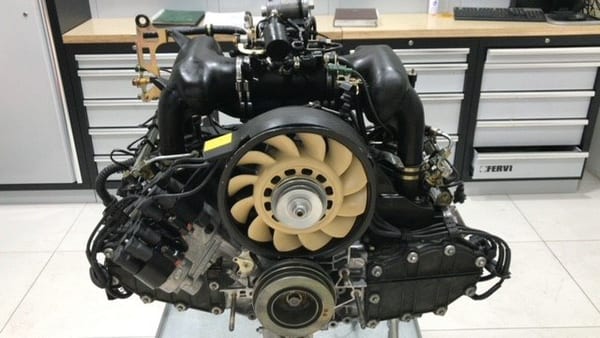
Complete engine rehabilitation 964 M64
Engine rebuild 964 type M64
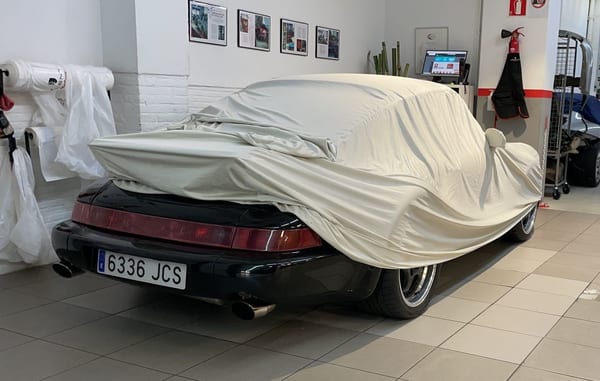
Restoration complete 964 turbo (965) 1991
The order was global and the objective was clear, to return the unit to its maximum splendor but with a special request from the c
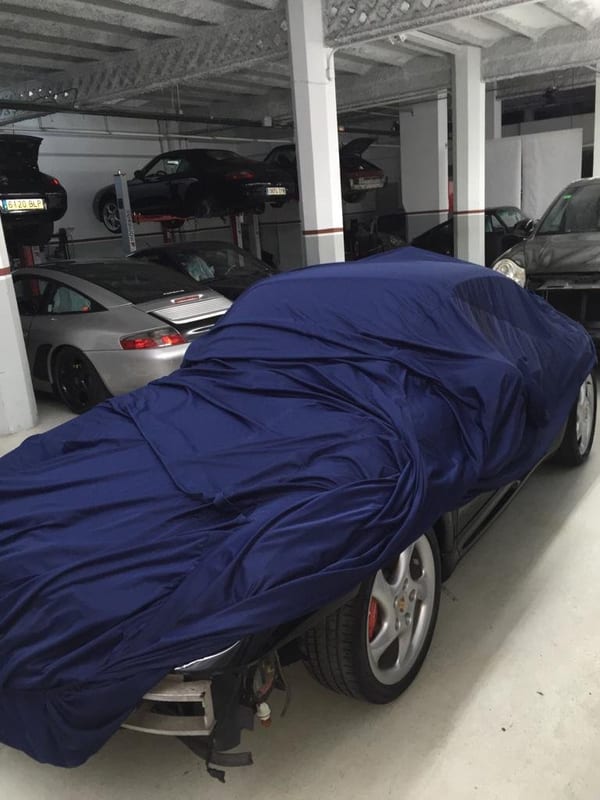
964 backdating (2023)
Follow the restoration of this 964 backdating project.