Porsche 944 guide: versions, belts and buying advice
- Date
- Words
- Enric Godes
What to check before buying a Porsche 944: belt and water-pump history, clutch, fuel system, transaxle, bodywork and electrics.
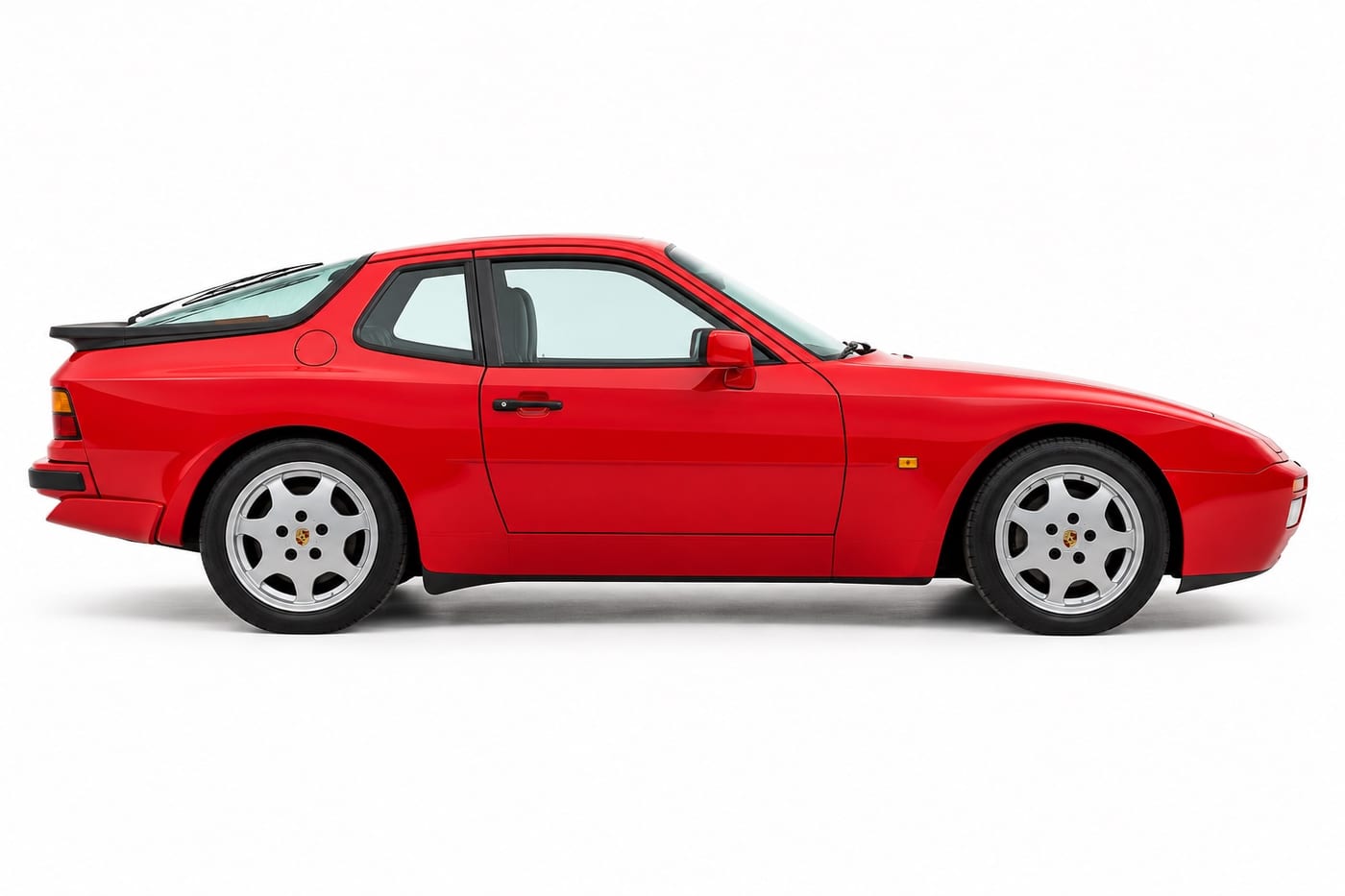
Porsche 944, the reference profile for this generation.
The Porsche 944 combines a front engine and a rear gearbox in a transaxle architecture that distributes weight well and offers a very different drive than the 911. The range evolved from the 2,5 naturally aspirated to the Turbo and the three-litre S2, with brakes, suspension, electronics and interiors that change by phase.
Its purchase price may seem affordable, but a unit with outdated belts, original clutch, steering leaks and modified wiring soon consumes the difference. In these cars, preventive maintenance is not a generic phrase: losing the valve timing can bend valves and transform a pending inspection into a cylinder head repair.
The inspection should begin with evidence of the belt, rollers and pump, continue with fuel and cooling and end at the rear axle, clutch and body. A well-tuned 944 is stable and precise; one with worn out rubber bushes, tyres or geometry may look clumsy without the design being the cause.
Porsche 944 at a glance
- Years
- 1982-1991
- Body styles
- Coupé and Cabriolet
- Engine
- Four-cylinder front, 2,5-3,0 l; naturally aspirated or turbo
- Power
- 150-250 CV in main European versions
- Transmission
- 5-speed manual or 3-speed automatic
- Production
- More than 163.000 units
Which Porsche 944 should you choose?
944 2.5
First series since 1982, normally 163 CV in Europe, with initial interior. The later phase adopts oval dashboard and mechanical changes; Identify year to order valve timing system and components.
944 S
2,5 engine with 16 valves and 190 CV, from 1987 to 1988. Add chain and chain guide between shafts that must be checked in addition to the main belt.
944 2.7
Naturally aspirated version from 1989 with 165 CV and short production. Shares many late-stage needs, but displacement and some specific parts need to be confirmed.
944 S2
3,0 16-valve engine with 211 CV since 1989, available Coupé and Cabriolet. Torque, brakes and daily use make it attractive, with special attention to the valve timing system and cam chain.
944 Turbo
Since 1985, 220 CV; Turbo S and late versions reach 250 CV. Check turbo, wastegate, hoses, cooling, clutch and pressure modifications or electronic control unit.
Special editions
Turbo S, Celebration and aftermarket series can provide specific suspension, differential, colour or equipment. Confirm codes and invoices before paying a premium for parts added later.
Front-engined Porsche 944. Photo: Calreyn88, CC BY-SA 4.0, via Wikimedia Commons.
What should you check before buying a Porsche 944?
Ask for an invoice showing the date and mileage when the timing belt, balance shaft belt, rollers, tensioners and water pump were serviced. A paint mark does not prove which parts were fitted or whether the tension is correct. Without reliable evidence, budget for this work before driving the car.
In 16-valve engines, remove the necessary cover to assess the chain, chain guides, tensioner and shaft teeth. A broken chain guide or chain out of tolerance can damage the cylinder head. Don’t assume that changing the belt takes care of this assembly.
Cold start and check oil pressure, smoke, vibration and noise. A poorly set or tensioned balance shaft belt alters the driving sensations. Check oil in coolant and vice versa, leaks in cooler housing and thermal stability.
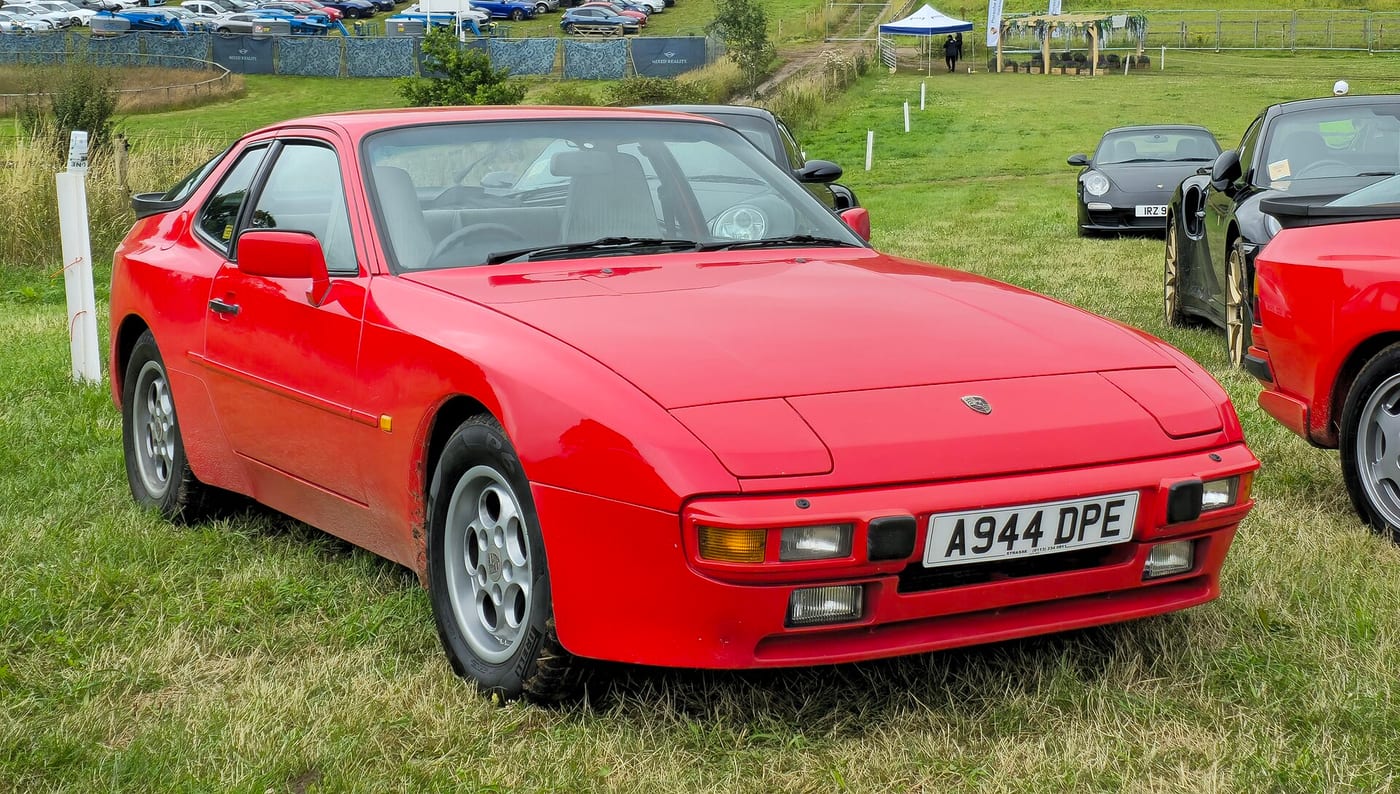
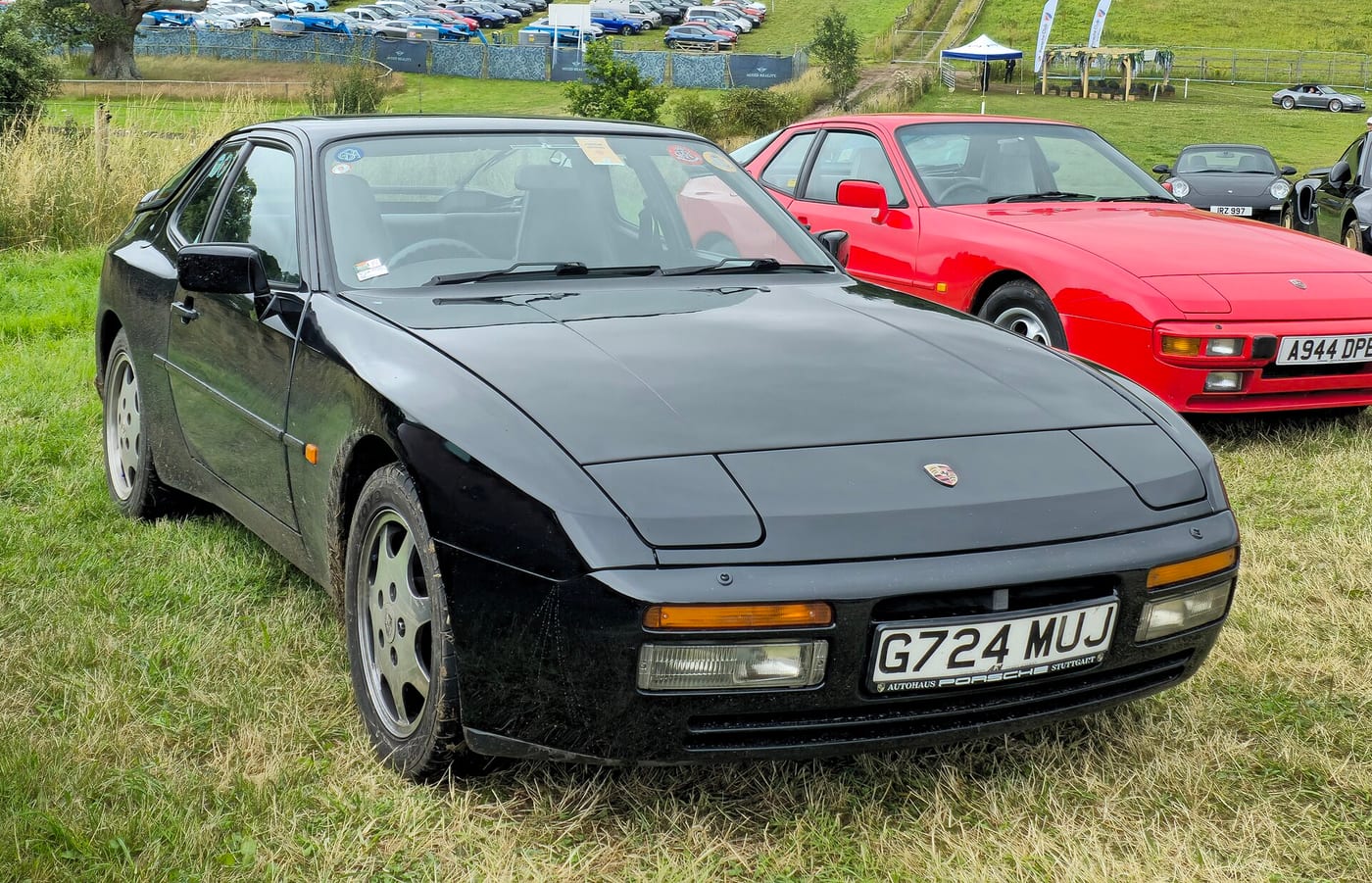
Front-engined Porsche 944. Photo: Calreyn88, CC BY-SA 4.0, via Wikimedia Commons.
Inspect the engine-bay fuel lines, pulsation damper, pressure regulator and injectors, as well as the rear hoses. Fuel odour or dampness requires the car to be taken out of use. On Turbo models, also check boost pressure, intake sealing, the turbocharger, wastegate and documented modifications.
Test clutch under load and during manoeuvres, and listen to the torque tube and transaxle in acceleration and overrun. A deteriorated rubber core causes looseness and knocking. Separate bearings, constant-velocity joints, differential and linkage before budgeting.
Inspect the sills, lifting points, wheel arches, battery area, roof, drains and tailgate instrument cluster. The rear window can separate from its instrument cluster, causing water ingress or noise. Check the retractable headlights, electric windows, instrument cluster, fans and air conditioning.
Known Porsche 944 faults
Timing belts, balance shafts and water pump
Whistling, belt knock, pump leak or lack of history justify stopping use. A broken valve timing system causes contact between pistons and valves. Tension should be checked with proper procedure and tool after the specified settling-in period, not just during assembly.
Chain and guides on 16-valve engines
Noise from the top of the engine, plastic fragments or thin chain guides are reasons to open the cover and inspect. If the chain jumps or damages the camshaft teeth, repair costs rise quickly. Replacement should follow condition and specification, rather than noise alone.
Oil cooler and seals
Oil in the expansion tank, emulsion or external leak can come from the cooler housing, but also from the cylinder head or other source. Test pressure and clean the circuit after repairing. Circulating with mixed fluids deteriorates bearings, hoses and thermal capacity.
Rubber-centred clutch
Knocks when opening or closing the throttle and play in the drivetrain often appear as the rubber centre deteriorates. Continuing to drive puts strain on the torque tube and transaxle. Access is labour-intensive, so inspect the seal, bearing, fork and the rest of the assembly while it is dismantled.
Power steering and fuel system
Wet steering hoses dirty bushings and alternator; Aged fuel lines can cause fire. Do not treat as normal odour or periodic refilling. Locate correct pressure, material and route and clean to verify that the repair remains dry.
Tailgate, roof and electrics
Detachment of the window, roof gears, headlights or instrument cluster usually share age, water and poor earth connections. Forcing the roof breaks mechanisms. Check drains, connectors and power before purchasing second-hand motors or units.
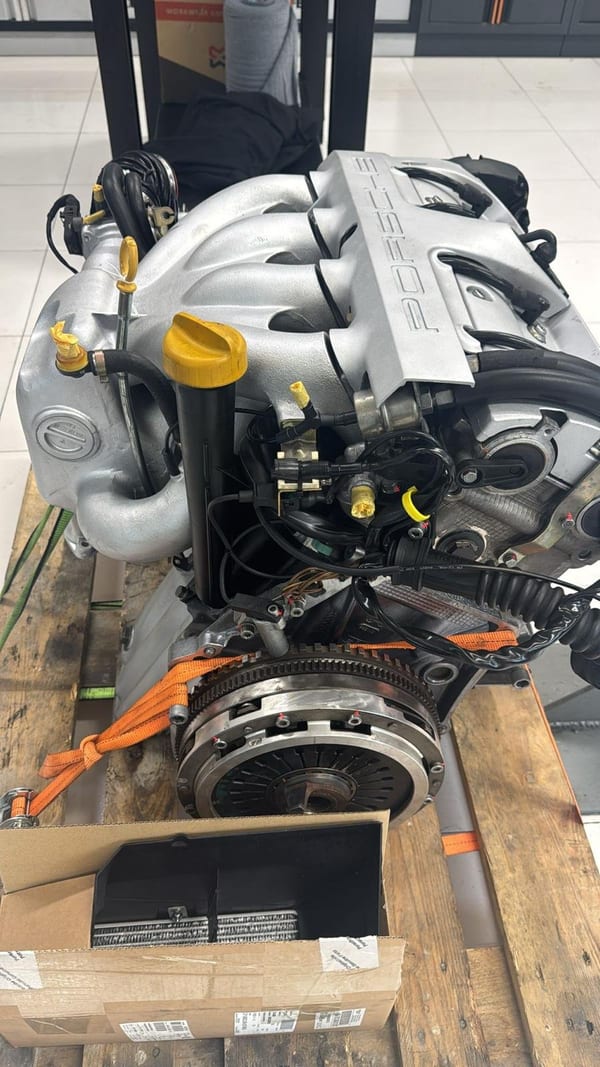
These are the workshop areas that step in once the diagnosis confirms it: engines and gearboxes.
How is a Porsche 944 serviced?
Manage timing-belt servicing by both age and mileage, checking tension according to the correct procedure. Replace the pump, rollers or seals when their condition and the scope of the work justify it. Record parts and measurements so the next owner does not have to guess.
Annual oil and filter, correct coolant and timed brake fluid form the basis. Check cooler, hoses, fans and thermocontact. In Turbo it allows the temperature to stabilize and attends to the oil, intake and exhaust at intervals according to the load.
Servicing the transaxle and differential, constant-velocity joints, bearings and linkage helps distinguish their noises from gearbox faults. Check the clutch and torque tube. On automatic models, check the fluid, look for leaks and assess gear changes at operating temperature.
Maintain brakes, suspension and geometry as a system. Protect side sills and lift points, clean drains and keep tailgate and roof tight. An electrical check of earth connections and load avoids many unnecessary replacements.
Every two inspections, compare compression, oil consumption, pressure and residue with earlier readings if the car has high mileage or sees sporting use. Stable results allow sound components to remain in service; an early change provides time to act before the cylinder head or transaxle is damaged.
After any work on the engine valve timing system, check again for tension and leaks after the indicated period. Keep references and values, because an invoice with identified pump, rollers and belts allows you to plan the next service without disassembling to find out what was installed.
The transaxle servicing rates give an idea of the scope of each service. The final quote depends on what turns up on the car.
What we have done at Valentín Motors
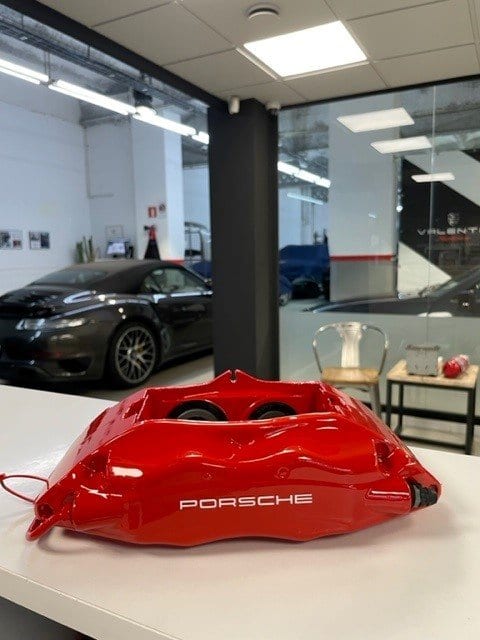
The brake restoration work and essentials inspections published by Valentín Motors teach the proper method for a transaxle: measure before replacing and check for safety before aesthetics.
We do not link a restoration of another model as if it were a 944. When a specific case is published, it can be incorporated without changing the structure of the guide.
Who is a Porsche 944 for?
It is suitable for those looking for chassis balance, hatchback practicality and a classic drive without paying the premium of a 911. A simple 2.5 reduces complexity; S2 adds torque; Turbo offers high performance at the cost of greater thermal loads and more systems.
It is not suitable for those who buy on price and defer timing-belt or fuel-system work. A 924 is simpler and slower; a 968 refines the same idea with more parts costs; a Boxster 986 offers a mid-engine and convertible, with another list of risks.