Porsche 924 guide: versions, common faults and buying advice
- Date
- Words
- Enric Godes
How to choose a Porsche 924 without confusing its mechanics: what to check in CIS, fuel, 924 S engine valve timing system, clutch, bodywork and electricity.
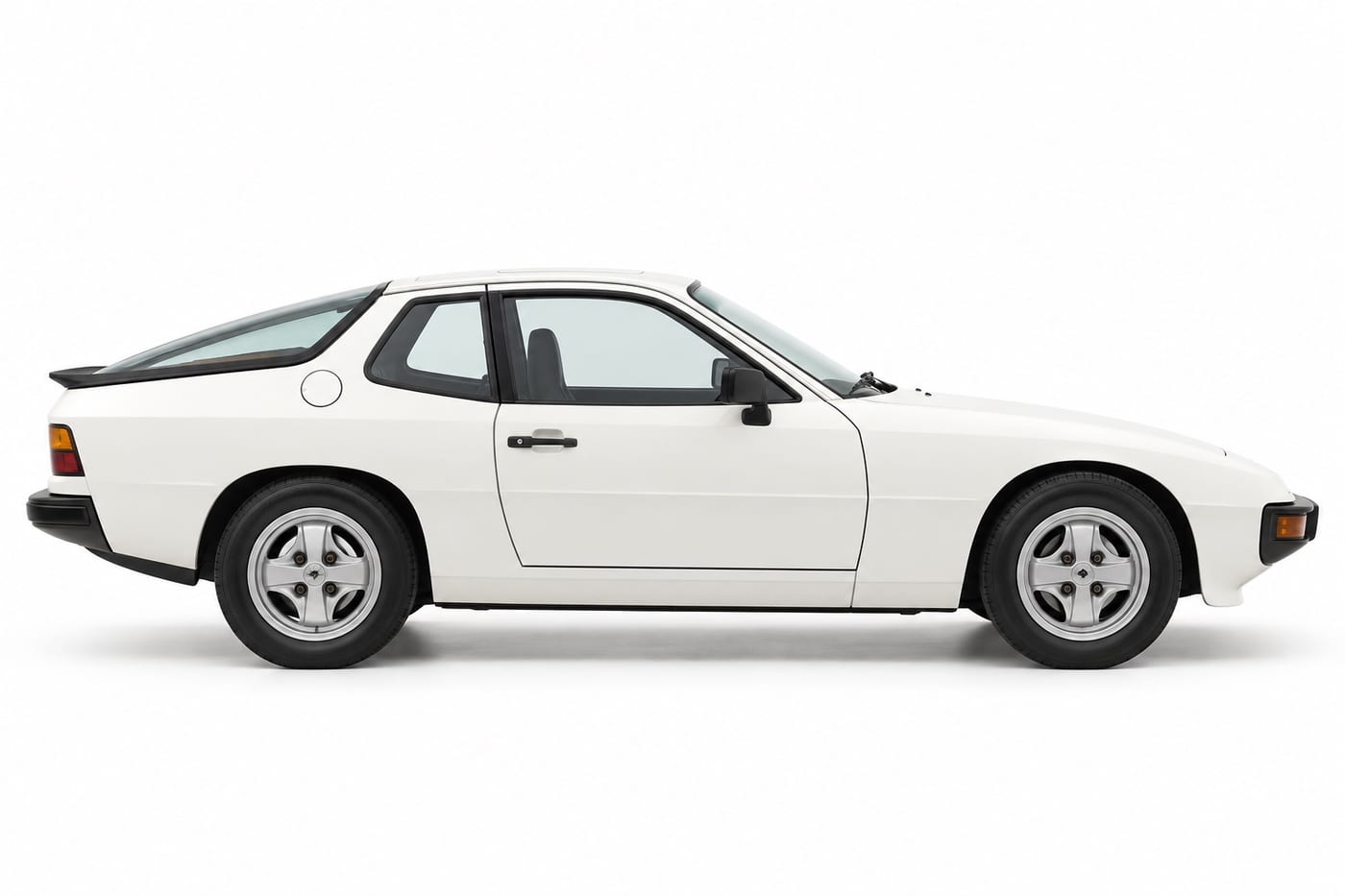
Porsche 924, the reference profile for this generation.
The Porsche 924 inaugurated the front-engine, rear-gearbox transaxle family. Its balance and practicality still make sense, but the range contains two different mechanical families: the 2.0 with shared mechanical origins and the 924 S with a Porsche 2.5 engine related to the 944. The inspection priorities and timing systems differ.
Its low value for years favored deferred maintenance, modifications and inexpensive electrical repairs. A complete, dry and well-fitted unit usually costs less in the medium term than a freshly painted one with no bills. In Turbo and Carrera GT, identity and originality also change the value radically.
The review should prioritise fuel safety, hot and cold starting, clutch and transmission, corrosion and water. In a healthy 924, the steering is light and the car maintains speed by balance; Lack of power, vibration or excessive heat require diagnosis, not resignation due to age.
Porsche 924 at a glance
- Years
- 1976-1988
- Body styles
- 2+2 hatchback coupe
- Engine
- Four-cylinder front, 2,0 or 2,5 l; naturally aspirated or turbo
- Power
- 125-210 CV in main European versions
- Transmission
- 4/5-speed manual or 3-speed automatic
- Production
- More than 150.000 units
Which Porsche 924 should you choose?
924 2.0
Since 1976, CIS injection and 125 CV in Europe in its best-known configuration. Simple, but sensitive to fuel pressure, air intakes and accumulated repairs.
924 Turbo
Launched in 1978/1979, with 170 CV and later 177 CV. Turbo, lubrication, temperature, fuel and ignition should be checked under load, not just at idle.
Carrera GT
Homologation from 1980 with 210 CV, wings and numerous specific components. Its rarity requires authenticating the chassis, engine, intercooler, body, interior and documentation.
Carrera GTS and GTR
Extremely rare and powerful competition or road evolutions. They require dedicated historical and technical expertise; This general guide is not enough to value a unit.
924 S
From 1985/1986, Porsche 2.5 engine with 150 CV and later 160 CV. Change the valve timing system plan: belt, balancing, rollers and pump must have recent evidence.
Market-specific editions
Le Mans and other series combine specific colours and equipment, not always more power. Check codes and original finish before assuming that added decoration identifies the edition.
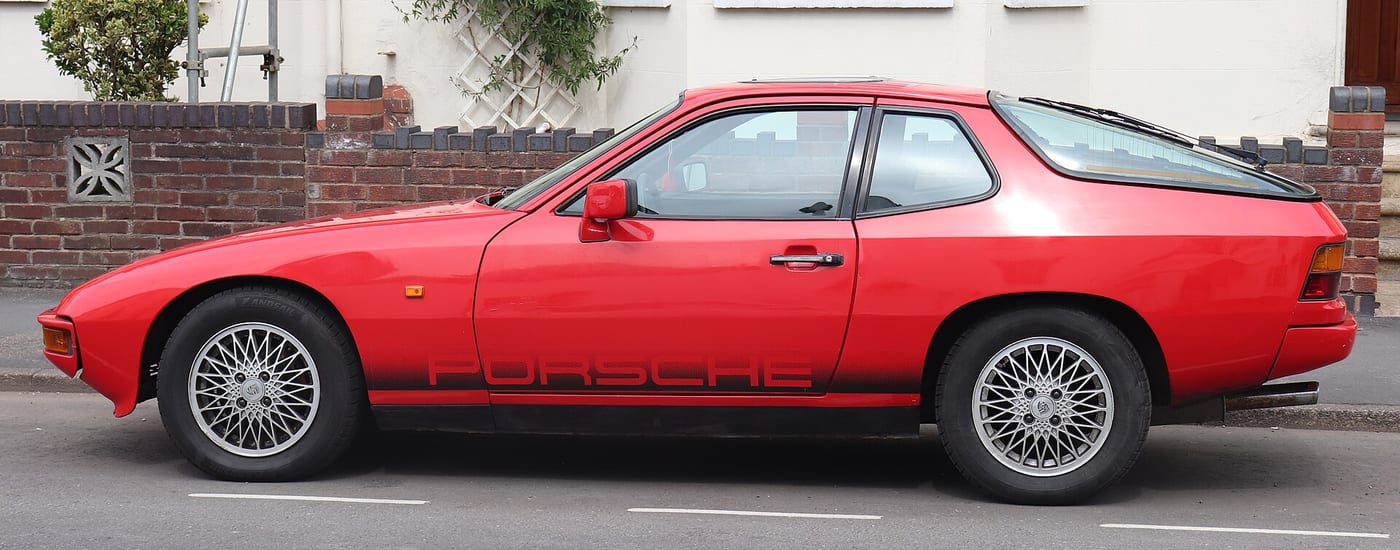
Front-engined Porsche 924. Photo: Vauxford, CC BY-SA 4.0, via Wikimedia Commons.
What should you check before buying a Porsche 924?
Please confirm if it is 2.0, Turbo or 924 S via VIN and engine. Do not buy a replacement for the year of registration only. In Carrera GT or limited edition, compare numbers, welds, wings, glass, interior and documentation with a specific reference.
In 2.0 it measures CIS pressures with the engine cold and hot, tests the accumulator, pumps, injectors, air inlets and ignition. A long hot start is not inevitable. Fuel odour or hardened hoses must be resolved before testing.
In 924 S, an invoice for the belt, engine valve timing system, balancing, rollers and water pump with date and kilometres is required. If it does not exist, budget it as immediate. In Turbo check oil, pressure, hoses, wastegate, exhaust and any modification.
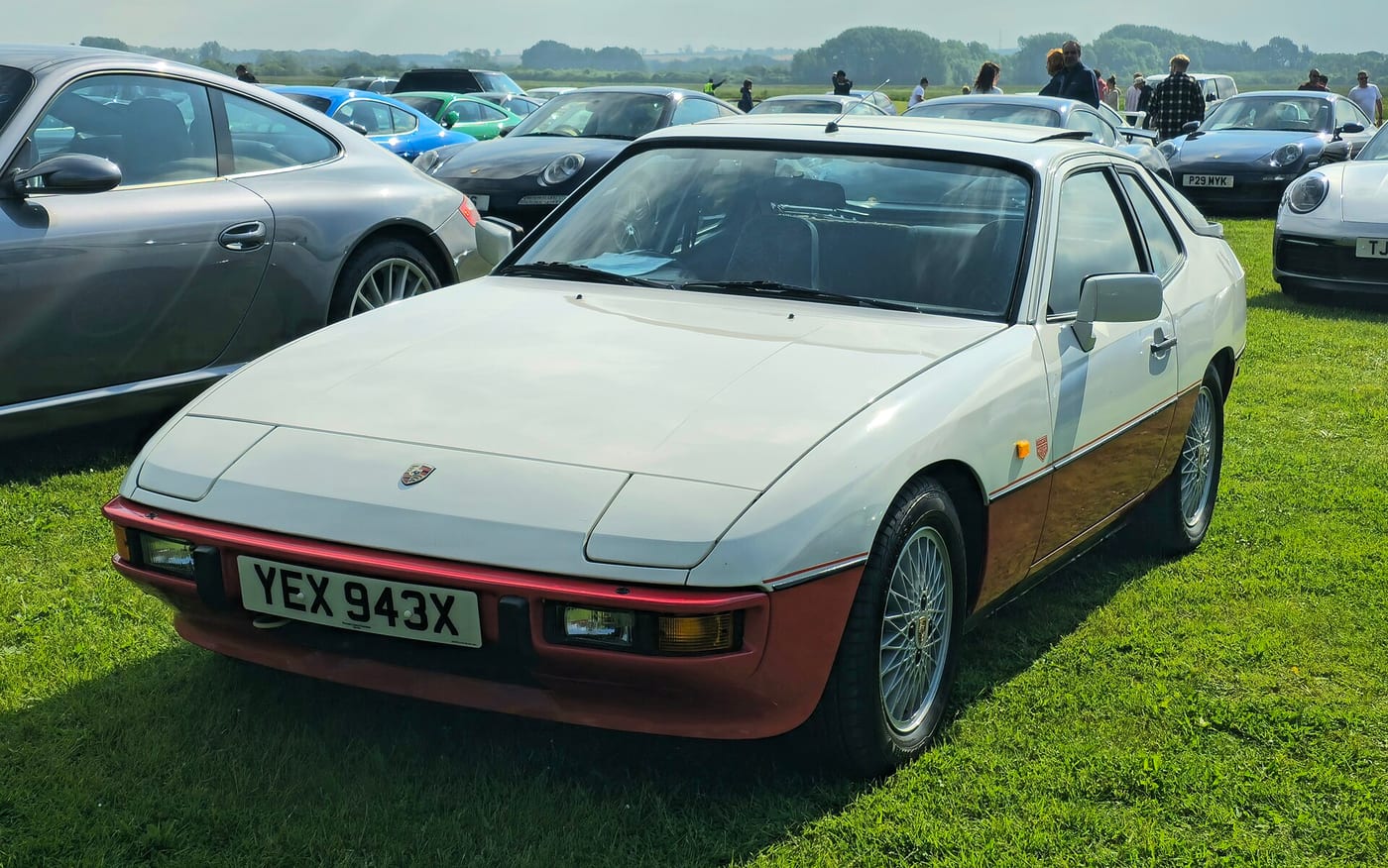
Front-engined Porsche 924. Photo: Calreyn88, CC BY-SA 4.0, via Wikimedia Commons.
Test clutch, torque tube, transaxle and joints in acceleration and overrun. The vibration can come from mounts, clutch, bearings or wheels. Listen hot and check gearbox oil for level, leak and particles.
Inspect battery tray, side sills, lifting points, wheel arches, floors, window instrument cluster and tailgate. The rear glass seal may separate. Interior humidity damages instrument cluster, fuses, connectors and upholstery although exterior rust appears limited.
Check retractable headlights, fan, heating, windscreen wipers, instrument cluster, windows and roof. Look for oversized splices and fuses. Tyres, brakes and shock absorbers must be evaluated before concluding that the chassis has a defect.
Known Porsche 924 faults
CIS and hot starting
Insufficient residual pressure, accumulator, pump, injector or air inlet can prolong starting. Adjusting the mixture without pressure gauges only displaces the symptom and can lead to poor load. Measuring system pressure, control and overrun orders the diagnosis.
Fuel lines
Odor, stains or undated hoses in the tank, underbody or opening require immobilization. Replace sections with compatible material and keep the route away from heat and movement. A leak on the exhaust or turbo can cause a fire.
924 S: timing belt and water pump
Roller noise, leakage or unknown history requires immediate service. Engine belt breakage causes internal contact. Tension and balance must be checked procedurally, and the pump is not discarded just because it has not yet leaked.
Turbo: lubrication and boost system
Smoke, lack of pressure, whistling or oil in the intake requires checking the turbo, return, leaks and engine. Increase pressure to compensate for worse temperature and mixture response. First recover the base specification and measure under load.
Clutch, torque tube and transaxle
Knocking when changing load, slipping, vibration or hum must be located by component. Continuing can transfer wear to bearings and seals. A linkage adjustment improves selection, but does not correct damaged synchronizers.
Water ingress, tailgate and electrics
Clogged drains and peeling glass introduce moisture near connectors and upholstery. Intermittent failures and musty smell justify removing coatings. Sealing the outside without cleaning drains can divert water to another cavity.
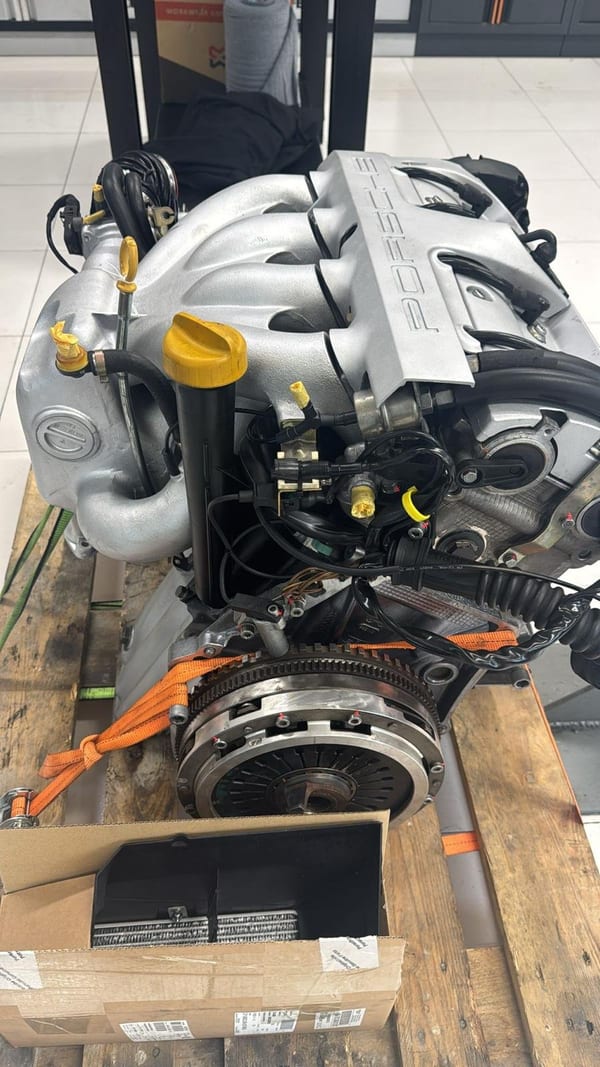
These are the workshop areas that step in once the diagnosis confirms it: engines and gearboxes.
How is a Porsche 924 serviced?
Annual oil and filter, coolant and brake fluid by time are the starting point. In 2.0 it adds CIS measurement and ignition; in Turbo it controls oil and pressure; on 924 S manages belts by date and mileage.
Check fuel at each relevant service and replace lines for age and condition. Keep radiator, fans and thermostat capable of controlling traffic and heat. A stable needle does not demonstrate that the system retains thermal margin.
Gearbox, differential, torque tube and gaskets require oil, mounts and check for leaks. Clutch or hydraulic adjustment depending on version. Keep brakes and suspension as a set and perform geometry only after eliminating clearances.
Clean roof and tailgate drains, protect battery and earth connections and test load. With sporadic use avoid brief engine starts. Complete routes preserve injection, brakes and transmission better than leaving the car immobile with a new battery.
Keep references of filters, belts, pumps and assembled CIS components. In a range with changes in supplier and market, documenting which part works avoids adapting the car at each service. If the ignition or pump is modified, also keep the original component.
After purchasing a unit with no history, establish a baseline with fluids, fuel pressure, ignition, indicative compression, brakes, tyres and electrical condition. This way you can separate immediate needs, next year’s work and optional improvements.
Also check the manufacturing date of the tyres, spare wheel, jack and support points. A transaxle that has been lifted by the wrong heel cup may hide deformation under plating; Documenting it before repair helps to regain shape and anti-corrosion protection.
The transaxle servicing rates give an idea of the scope of each service. The final quote depends on what turns up on the car.
What we have done at Valentín Motors
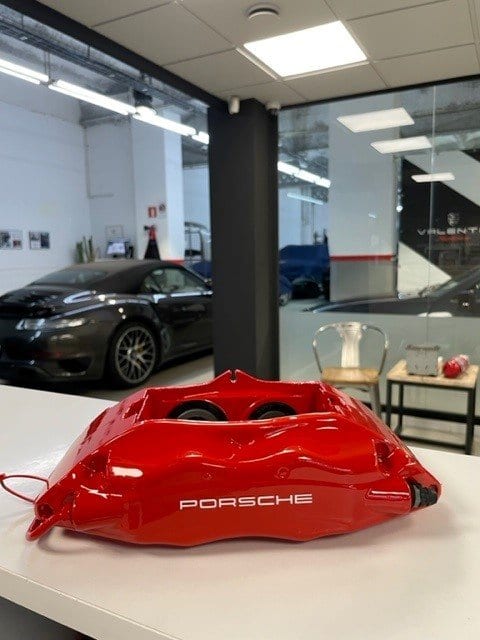
Magazine’s essential inspections and brake restorations show the priority applicable to the 924: fluid safety, steering and braking before finishing.
The guide does not attribute to the 924 published works on other transaxle. When there is a specific project, its slug can be added without altering the technical content.
Who is a Porsche 924 for?
It is suitable for those looking for a light, practical and well-balanced classic, and willing to take the time to restore the CIS and electrical systems to specification. 2.0 is the simple entry; the 924 S offers more performance; Turbo and Carrera GT require superior knowledge and budget.
It is not suitable for those who expect performance from a 944 Turbo or are not willing to overhaul the old fuel system. A 944 offers more power and width; a 968 refines the formula at a higher cost; a 986 changes to a mid-engine and convertible with different maintenance.