Porsche 993 guide: versions, common faults and buying advice
- Date
- Words
- Enric Godes
What to check on the last air-cooled 911: body, engine, Varioram, dual ignition, multi-link chassis and real history.
Porsche 993, the reference profile for this generation.
The Porsche 993 is the last air-cooled production 911 and the first with a multi-link rear axle that clearly changed its behaviour. It retains compact dimensions, but its bodywork, air conditioning, electronics and suspension are more complex than in a 964. This mix explains why a car with shiny paint may require a significant investment beneath rubber seals, covers and wheel arches.
The buying decision depends less by the reputation of robustness than by the execution of maintenance. Leaks, valve guides, dual ignition, dual-mass flywheel, evaporator and rubber bushes age in different ways. On high value cars, options, colour, numbers and structural repairs must also be authenticated before discussing whether a mileage is low.
The pre-purchase inspection must begin cold, continue on the lift and end with diagnosis and road testing. A 993 can tolerate small traces of use; it is not advisable to treat as normal persistent smoke, rust in the structure, loose steering or disabled air conditioning because its repair is laborious.
Porsche 993 at a glance
- Years
- 1994-1998
- Body styles
- Coupé, Cabriolet and Targa
- Engine
- Air-cooled six-cylinder boxer, 3,6-3,8 l
- Power
- 272-450 CV according to European version
- Transmission
- 6-speed manual or 4-speed Tiptronic S
- Production
- 68.881 units
Which Porsche 993 should you choose?
Carrera
3,6 litres, 272 CV at the start and 285 CV with Varioram from 1995/1996 depending on market and model year. Rear propulsion, manual or Tiptronic transmission and narrow body.
Carrera 4
Lighter and simpler all-wheel drive than the 964 Carrera 4, with the same naturally aspirated power. Check bellows, front transmission, equivalent tyres and absence of tension or noise.
Carrera S and 4S
Turbo look wide body. The 4S incorporates all-wheel drive and equipment close to the Turbo; the Carrera S maintains propulsion. The premium requires verification that it is not an aesthetic conversion.
Targa
It uses a dedicated sliding glass roof, not the classic removable panel. Its operation, guides, curtain, sealing and parts availability deserve a full test.
Turbo
Since 1995, twin-turbo, all-wheel drive and 408 CV; the Turbo S reached 450 CV. Check turbos, leaks, transmission, brakes, ducts and authenticity of any preparation.
Carrera RS and GT2
The RS 3.8 delivers 300 CV; the GT2 starts at 430 CV and evolves to 450 CV. They are rare cars where sports history, bodywork, light parts and numbers require specialist expertise.
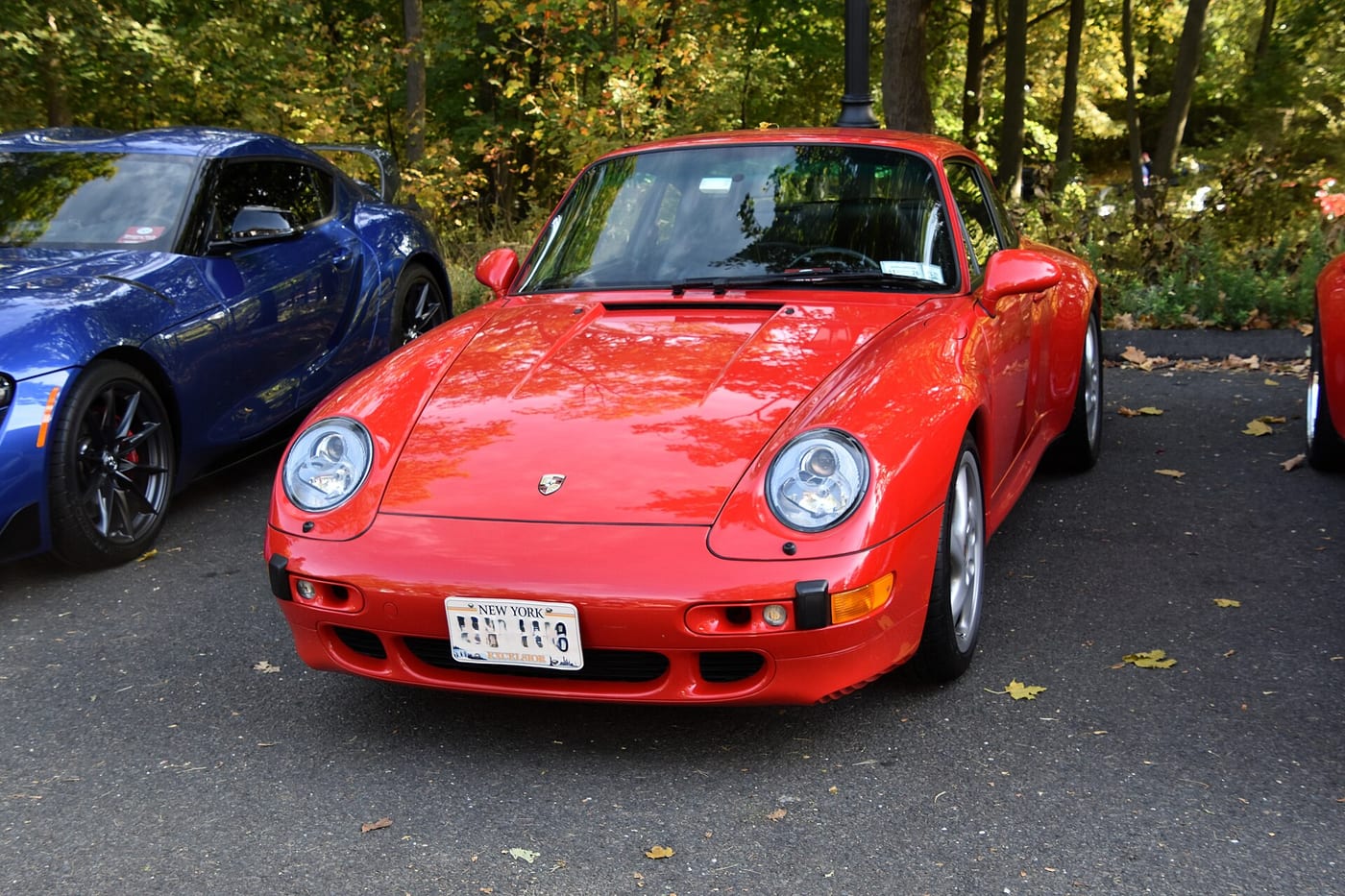
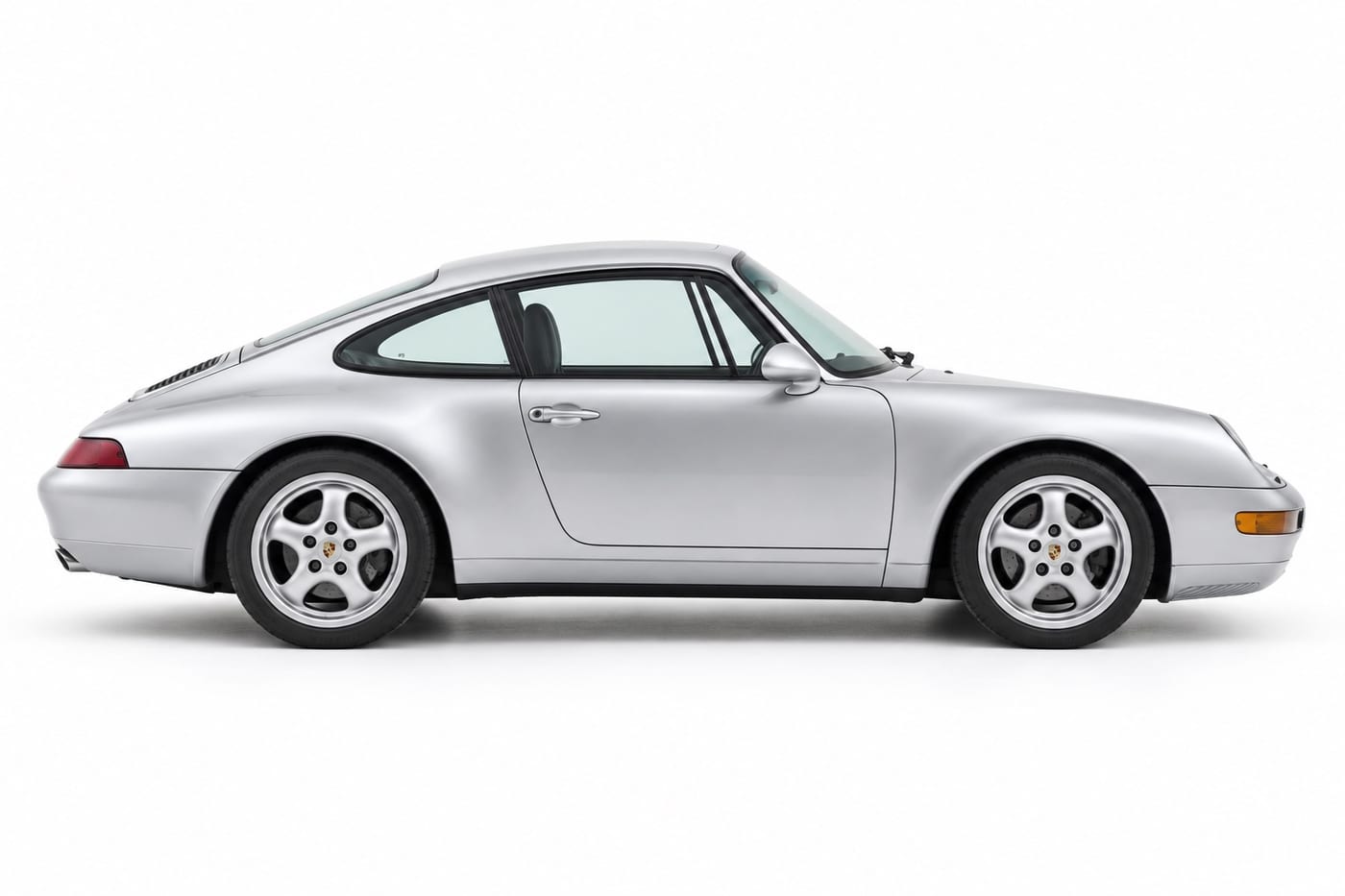
Porsche 911 from the 993 generation. Photo: Charles from Port Chester, New York, CC0, via Wikimedia Commons.
What should you check before buying a Porsche 993?
Check VIN, option tags, colour of origin, and engine and gearbox numbers when value depends on authenticity. Look for job invoices, mileage readings and previous photos. A sealed book without detail does not prove which gaskets, guides, clutch or suspension have been renewed.
Completely cold start and see smoke, tappets, idle and pressure. When hot, test overrun and acceleration, measure leaks and compression if there are doubts and check documented consumption. Smoke after a long overrun can lead to valve guides, but external oil, seals and internal wear must be separated.
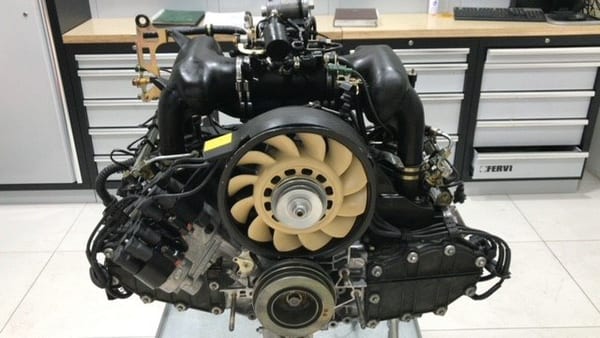
Inspect engine valve timing system covers, rocker covers, returns and engine-gearbox connection. Check the double distributor, its belt and ventilation. Checking the spark in the twelve spark plugs and the condition of the cables prevents accepting an engine that is partially working as normal.
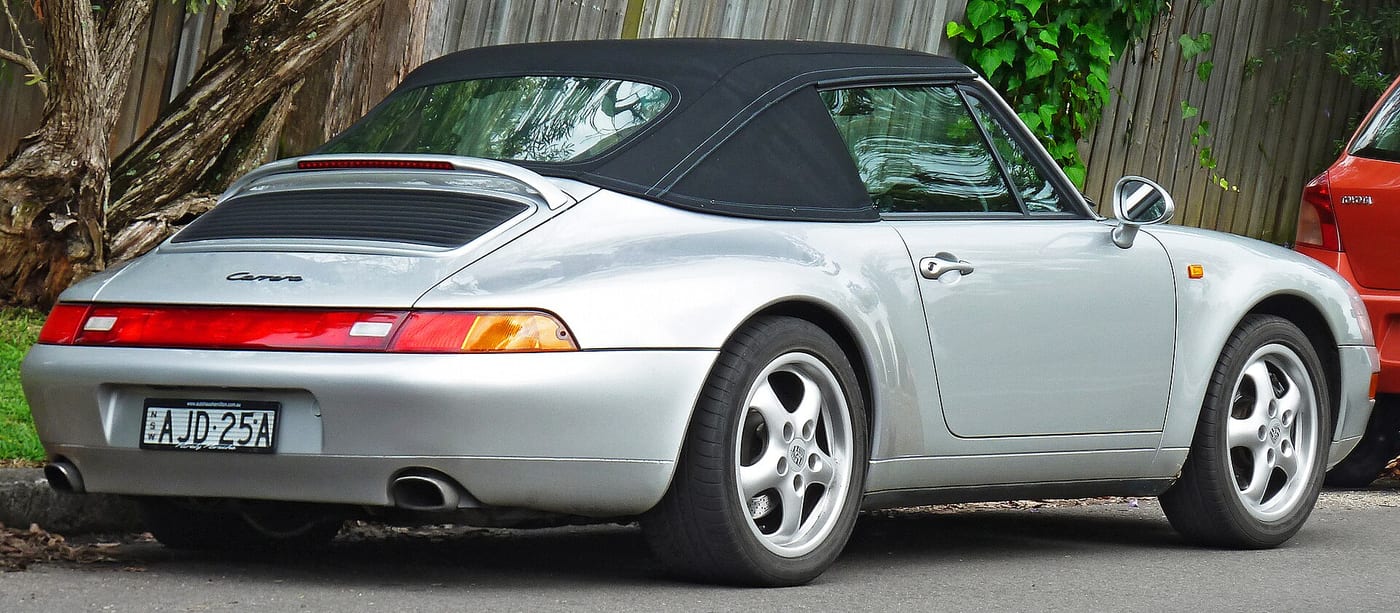
Porsche 911 from the 993 generation. Photo: OSX, Public domain, via Wikimedia Commons.
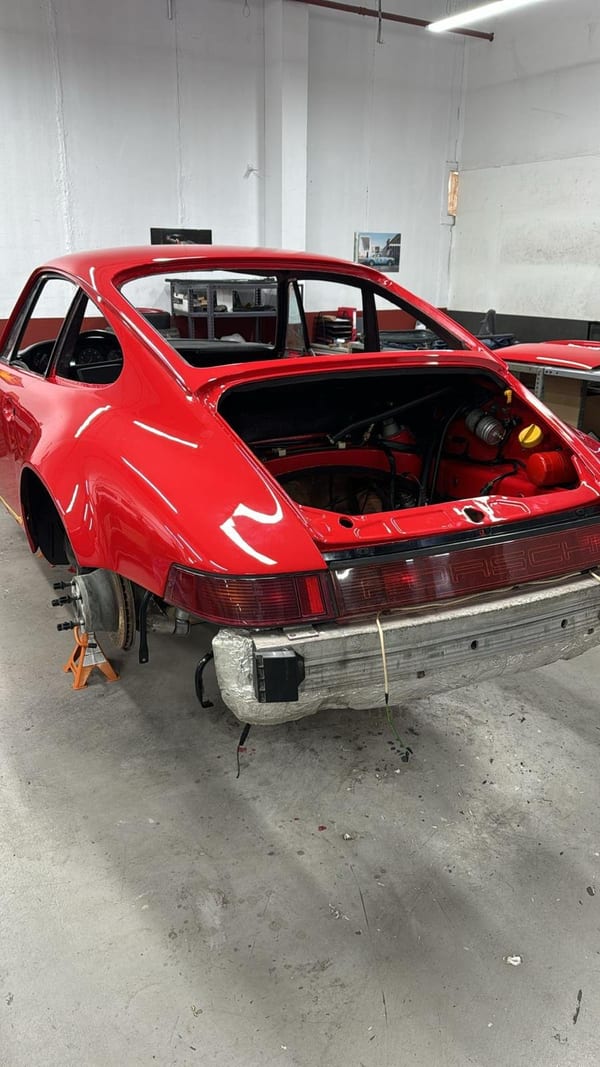
Carefully lift windscreen and rear window rubber, check frames, rain gutters, wing bases, rear wheel arches, bumper supports, floors and lifting points. On doors, check the door check-strap mounting: a poorly repaired crack in the pillar reopens.
Test air conditioning for sufficient time. The evaporator can leak without leaving an obvious puddle and replacing it takes many hours. Also check fans, heating, spoiler, windows, lock, roof and parasitic battery consumption.
On the road, look for stability when braking, centred steering and progressive supports. Dry knocks or drift indicate arms, ball joints, shock absorbers or geometry; Old tyres can disguise or amplify the problem. Tiptronic requires smooth operation with the engine cold and hot.
Known Porsche 993 faults
Oil leaks
Odor in heating, smoke when stopping or drops on exchangers require locating the leak. Covers and seals can be repaired without opening the engine, while other losses are consistent with internal wear. Cleaning, applying tracer if necessary and checking afterwards avoids estimates based on old dirt.
Valve guides and oil consumption
Blueish smoke during overrun or when accelerating again, increasing consumption and deposits on the spark plugs justify measurements. Allowing wear to progress increases consumption, fouls chambers and catalytic converters and may end up requiring a more extensive cylinder head inspection.
Twin distributor and ignition
A faulty internal belt or cable can take part of the dual ignition out of service. The engine still runs, but combustion and temperature worsen. Proper ventilation and periodic inspection are more economical than repairing detonation damage.
Rust around frames and mounting points
Bubbles next to windows, humidity, recent sealant or weakened bumper supports require partial disassembly before evaluating. Overpainting retains corrosion and can hide a structural repair. The invoice depends on the actual extent, not the visible size.
Multi-link suspension and steering
Hardened rubber bushes, ball joints and worn shock absorbers reduce the precision that distinguishes the 993. If the car ruts, hits or wears tyres unevenly, correct clearances before aligning. Mixing new and spent components produces an inconsistent result.
Evaporator and air conditioning
Recharging the air conditioning every season does not repair a leak. Dropping pressure, odour, irregular fans or lack of heat must be diagnosed by circuit. Postponing the evaporator does not usually break the motor, but it affects use, defrosting and value, and should be included in the purchase price.
These are the workshop areas that step in once the diagnosis confirms it: engines and paint and bodywork.
How is a Porsche 993 serviced?
Program oil and filter at least once a year for occasional use and record pressure, leaks and consumption. A repeated visual check allows you to know if sweating remains stable. Check fuel and oil lines, belts and ignition elements for age.
The complete maintenance service includes spark plugs, filters, valve adjustment when applicable, double distributor and leak analysis. Varioram must operate without losses or failures. Do not attribute a lack of power to age until checking ignition, intake and compression.
Renew brake fluid for time and check calipers, discs, hoses and handbrake. Gearboxes and differentials need correct lubricant and leak control; in Carrera 4, it adds front transmission. In Tiptronic it documents service, temperature and fluid status.
The suspension is maintained as a whole: arms, shock absorbers, mounts, ball joints, heights and geometry. After any intervention, fit tyres of a consistent age and specification. A battery maintainer helps, but is not a substitute for regular drives long enough to reach operating temperature.
The 911 servicing rates give an idea of the scope of each service. The final quote depends on what turns up on the car.
What we have done at Valentín Motors
The engine and body works published by Valentín Motors on air-cooled generations teach the same method applicable to the 993: disassemble only after diagnosing, measuring before ordering parts and documenting each phase.
When a specific model article does not exist, we avoid presenting another project as if it were. The inspection of the 993 is based on its own architecture and the condition of the specific car.
Who is a Porsche 993 for?
It suits those who want the last air-cooled 911 with a more stable chassis and reasonable ergonomics for touring. Carrera and Carrera 4 are usable; S, 4S and Turbo add value, width, consumables and need to authenticate. Condition and traceability justify the premium more than a low odometer reading.
It is not suitable for those who avoid hidden body work or intend to maintain it without a specialist. A 964 offers earlier experience and more classic steering; a 996 costs less and has better air conditioning, but uses water cooling and needs a different inspection checklist.