Porsche 911 F guide: versions, rust and buying advice
- Date
- Words
- Enric Godes
The purchase of a Porsche 911 F begins with bodywork and authenticity: what to check for rust, engine, MFI or carburettors, gearbox and restoration.
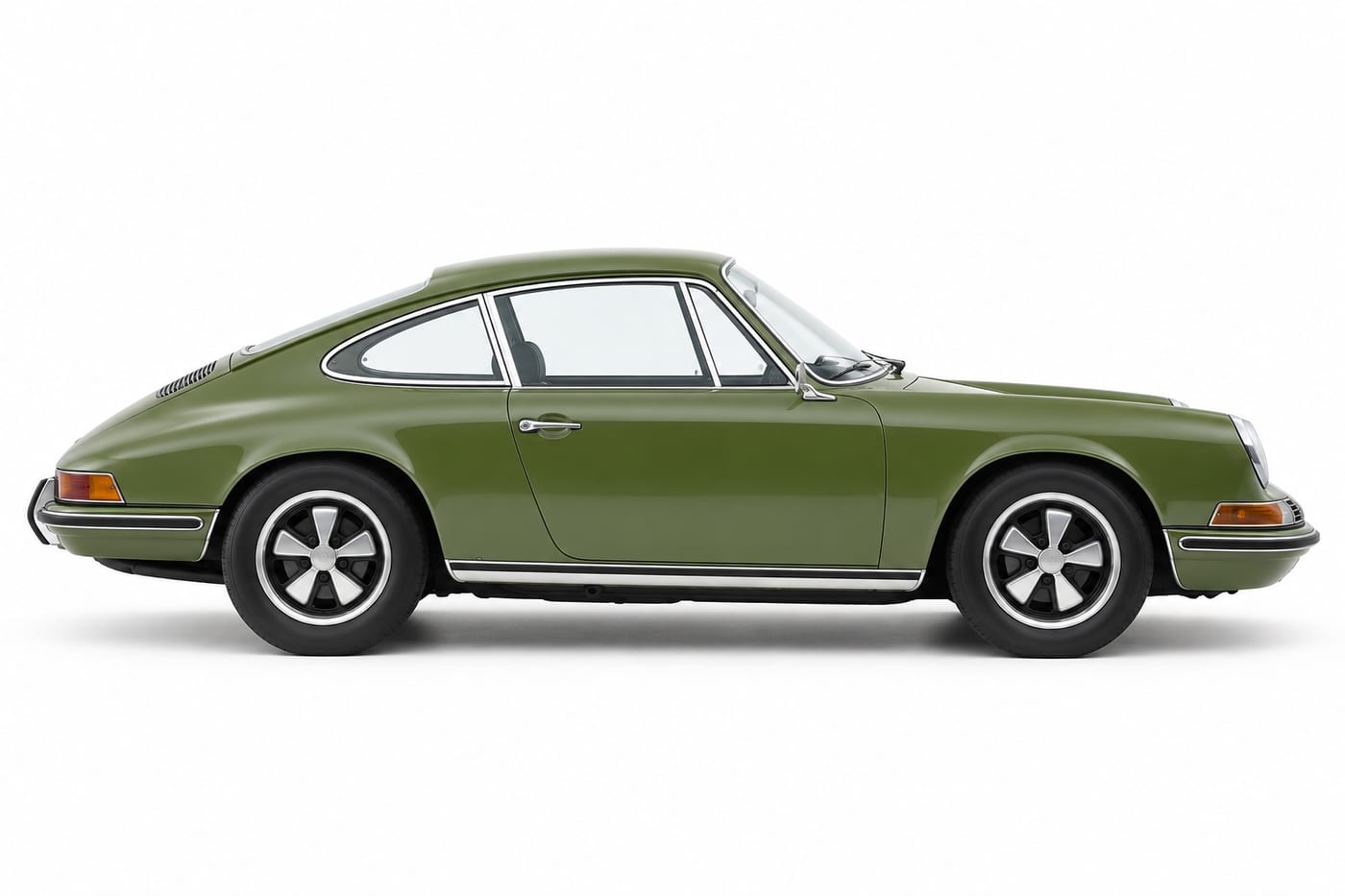
Porsche 911 F, the reference profile for this generation.
The Porsche 911 F groups the short and long wheelbase 911 models manufactured before bellows bumpers, from the first 2.0 to the 2.4 and Carrera RS 2.7. In less than a decade they change wheelbase, displacement, injection, gearbox, lights, doors and numerous details. A buying guide should first place the car in its year and market.
The body condition is central to the purchase. Front, battery tray, suspension mounts, side skirts, pillar bases, floors and rear anchors may have been repaired several times. Attractive paint and even panel gaps do not demonstrate sound metal or geometry. Photographs of a restoration are worth more than a list of supposedly replaced panels.
In the workshop, originality is assessed separately from how well the car runs. Carburetors, MFI, ignition and swapped engines can make a car nice without being correct for its chassis. Both things are valid if the price and documentation say so. The problem arises when a recreation is offered as an authentic version.
Porsche 911 F at a glance
- Years
- 1964-1973
- Body styles
- Coupé and Targa
- Engine
- Air-cooled six-cylinder boxer, 2,0-2,7 l
- Power
- 110-210 CV in main road versions
- Transmission
- 901/911 5-speed manual; 915 since 1972
- Production
- Approximately 112.000 units
Which Porsche 911 F should you choose?
911 2.0
First cars since 1964, with base, T, L and S versions depending on the year and market. Short battle until 1968; numbers, Weber/Solex, instruments and bodywork need annual reference.
911 T
Access version with 110 to 130 CV according to 2.0, 2.2 or 2.4. Carburetors or MFI depend on market and year; Its lower power does not reduce the requirement for authenticity and rust.
911 E
Intermediate version with mechanical injection and between 140 and 165 CV. Well-tuned MFI offers clean response; a tampered pump can hide wear or incorrect configuration.
911 S
The sports version evolves from 160 to 190 CV, with specific engine, brakes and equipment. Check crankcase, cylinder heads, MFI pump, instruments and S parts before a conversion.
Targa
Available with soft rear window in first units and then fixed glass. Arch, panel, seals, closures, drains and rigidity must be checked; Early parts are difficult to replace.
Carrera RS 2.7
Homologation from 1973 with 210 CV and light or Touring bodywork. The number of recreations requires a complete inspection of the chassis, sheet metal, engine, MFI, wings, interior and documentation.
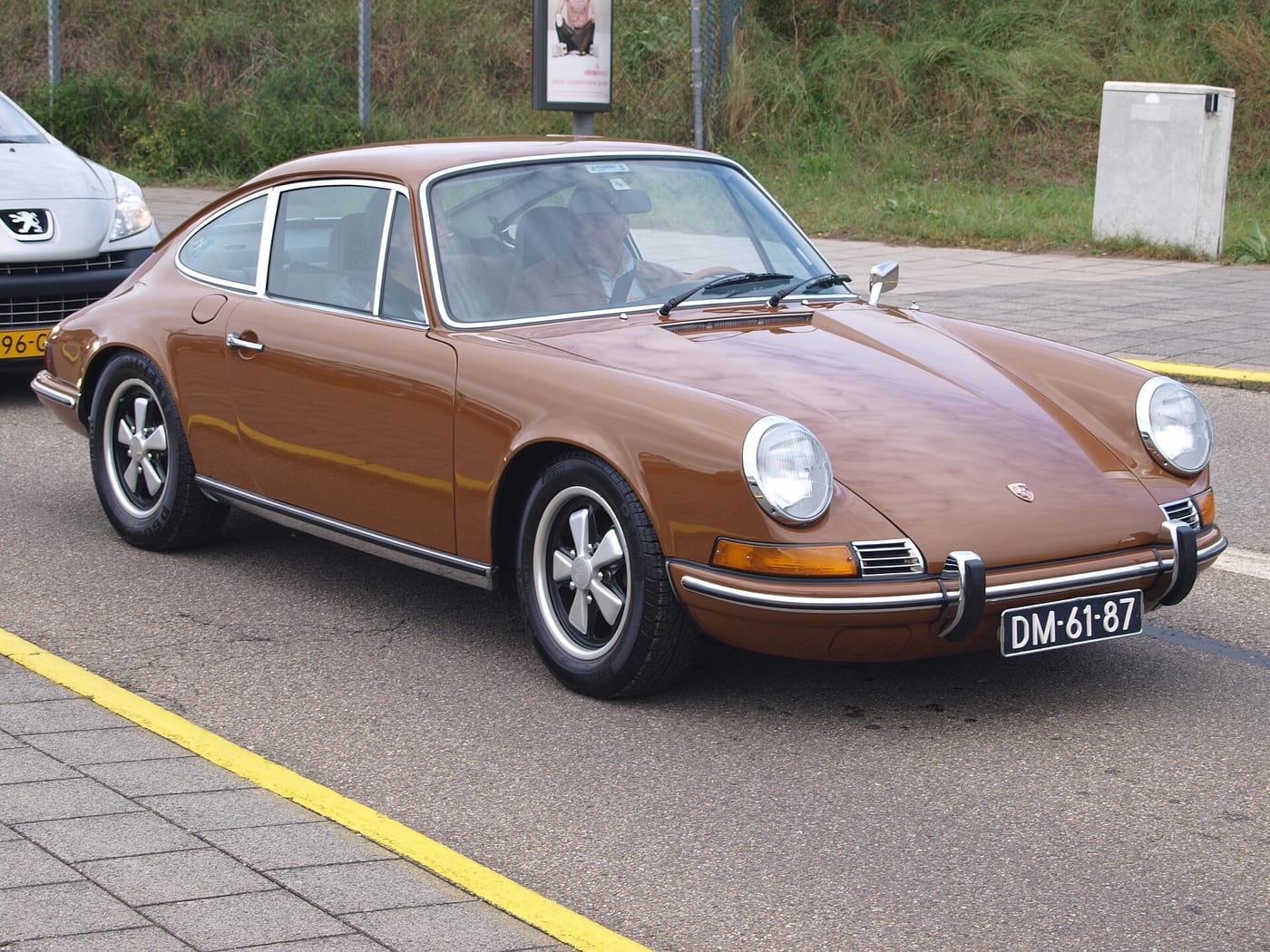
Classic Porsche 911 from the F series. Photo: Alf van Beem, CC0, via Wikimedia Commons.

What should you check before buying a Porsche 911 F?
Contrast VIN, stampings, identification plate, engine, gearbox, colour and equipment with year and market records. On S, early Targa and RS, check sheet metal thicknesses, glass dates, instruments and specific parts. A well-made replica is still a replica.
Inspect battery trays, front panel, rack and arm support, turrets, wheel arches, side sills, pillar bases, floors, heater tubes, rear tray and torsion bar anchors. Use a gauge and look at welds from both sides.
Measure diagonals and heights and observe door adjustment with the car supported and raised. In short wheelbase, incorrect repair alters stability. In Targa, changing clearances may reveal flexing or damaged reinforcements.
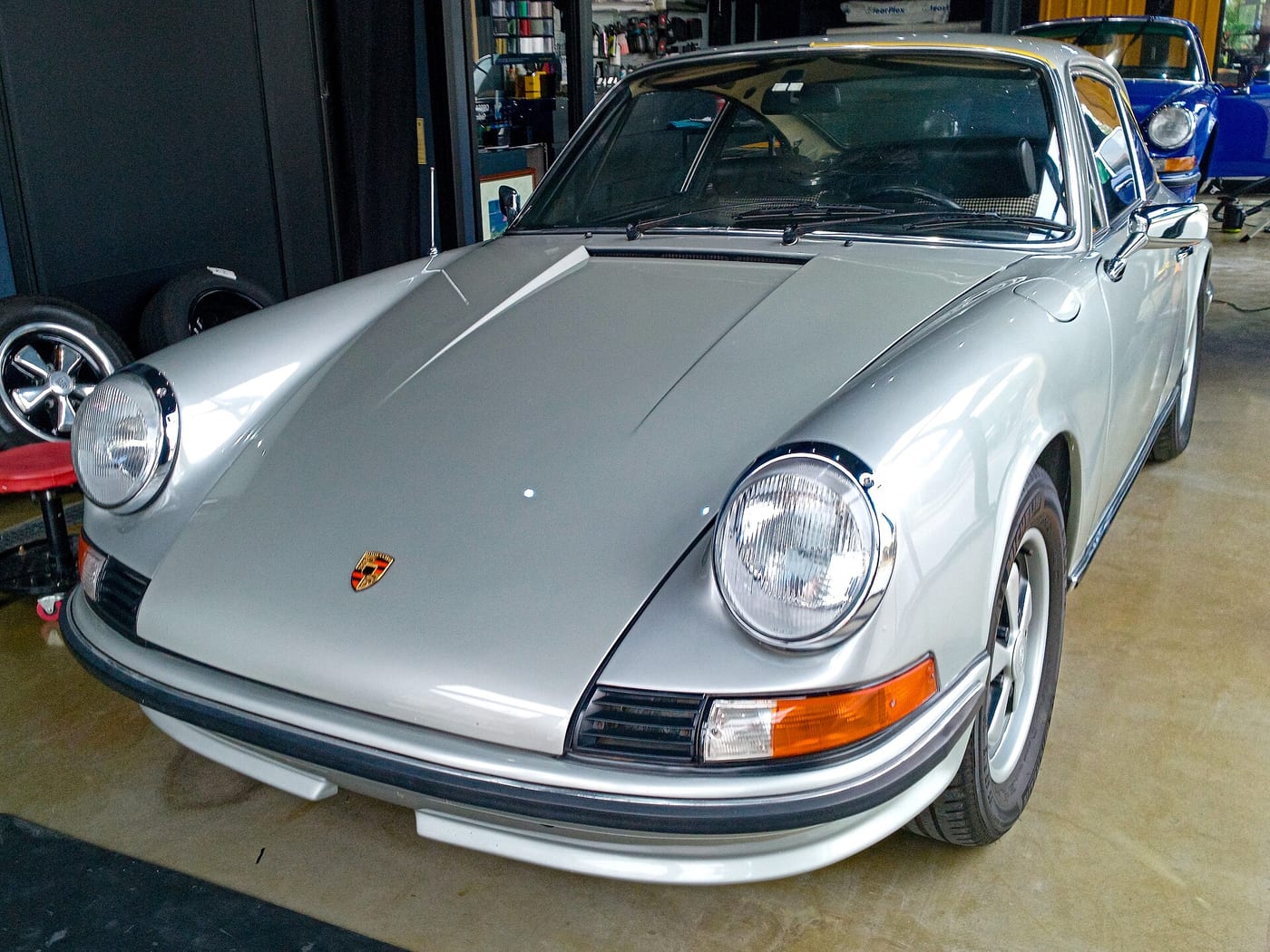
Classic Porsche 911 from the F series. Photo: Ethan Llamas, CC BY-SA 4.0, via Wikimedia Commons.

Cold start and check for pressure, smoke, leaks and chain noise. Measure compression and leaks, examine spark plugs and verify that displacement and components match what was billed. A rebuilt engine requires measurements and documented work.
In carburettors check synchronization, shafts, floats and advance. In MFI the correct sequence applies: compression, valves, ignition, fuel pressure, linkage and finally pump. Adjusting the pump first creates consumption, smoke and cylinder wash.
Test the 901/911 or 915 gearbox when warm, without forcing it. Grinding, jumping out of gear or noise requires separating the clutch, bushings, linkage and synchronizers. Check brakes, bearings, shock absorbers, steering and tyres before a quick test.
Known Porsche 911 F faults
Structural corrosion
Rust on the front, heel or anchors affects geometry and safety before piercing the paint. Remove sealant at representative points and measure on a bench when in doubt. Welding panels without references can set the body crooked.
Magnesium crankcase and studs
Leaks, loss of compression or compromised threads require crankcase measurement and alignment. Inserts, planning and machining must be documented. Mounting cylinders and heads on a base that is out of tolerance repeats leaks and reduces engine life.
Chains and tensioners
Noise when starting or hot can indicate a fatigued tensioner, ramp or chain. Later updates improve reliability, but affect originality and must be properly installed. If the engine’s timing system jumps, pistons and valves can come into contact.
MFI or carburettor adjustment
Backfiring, black smoke, unresponsiveness, and diluted oil are consequences of incorrect mixing or ignition. The MFI is not adjusted by a single screw. An engine with uneven compression will never do well compensating for fuel.
901/911 and 915 gearboxes
Scraping in first or second gear, a vague lever or an ejected gear are not traits that should be accepted. Bushings and adjustment are economical compared to synchronizers and teeth. Forcing a cold gearbox accelerates damage and makes a future rebuild more expensive.
Fuel system, brakes and hoses
Hardened ducts, noisy pumps, seized calipers or old flexible tubes affect safety even if the car drives little. Smell of gasoline requires stopping. Renewing them to the correct specification must precede any power increase or event.
These are the workshop areas that step in once the diagnosis confirms it: paint and bodywork, engines and gearboxes.
How is a Porsche 911 F serviced?
Oil and filter or meshes depending on version, adjustment of valves, spark plugs, platinums or ignition and leaks require frequent intervals. Record each valve and pressure. Infrequent use does not stop the aging of fuel, seals and brakes.
Maintain complete air cooling: motor belt, turbine, plates, thermostat, dampers and perimeter rubber. A missing piece recirculates hot air. Clean oil from exchangers and prevent a leak from reaching the exhaust or heating.
In MFI follow the adjustment sequence and conserve pump oil when appropriate; In carburettors check timing and pressure. Inspect fuel lines for age. A correct mixture protects pistons and keeps the oil undiluted.
Renew brake fluid, lubricate and check bearings, steering, pedals, clutch and linkage. Gearbox and differential use lubricant suitable for synchronizers. Protect cavities and drains and check for corrosion every year.
After a restoration, it preserves photographs of the metal, thicknesses, panel references, dimensions and numbers. Write down valve settings, pressure, compression and MFI mixture. This file allows us to distinguish normal aging from a repair that begins to move or corrode.
If the car participates in regularity tests for classics or circuits, then inspect brakes, bearings, tyres, leaks and anchors. Reduce intervals without confusing preparation with maintenance: a suspension upgrade does not compensate for a weakened torsion bar mount.
The 911 servicing rates give an idea of the scope of each service. The final quote depends on what turns up on the car.
What we have done at Valentín Motors
Valentín Motors has published restorations of a 1965 911, 2.2 engines from 1970 and 1971, original F Series upholstery and complete body projects.
The cases show why metal, numbers, machining and assembly are documented. A final photo does not allow us to assess the structure or authenticity of a restoration.
Who is a Porsche 911 F for?
It suits those who enjoy lightness, unassisted steering and the work of maintaining an early classic, and will pay for structure and traceability rather than paint. A healthy T or E may be more useful than pursuing an S recreation; an authentic RS requires another scale of expertise.
It is not suitable for those who need air conditioning, modern protection or long periods without attention. A 911 G offers easier parts availability and use; a 964 adds ABS and power steering; a 356 reduces power and has still more traditional ergonomics.
Related work
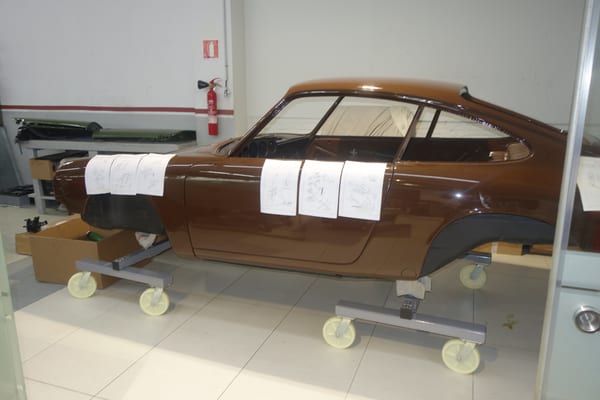
Restoration of Porsche 911 F series 1965
The project arrived in disordered boxes, poorly dismantled and with missing parts after 7 years of moves between workshops.
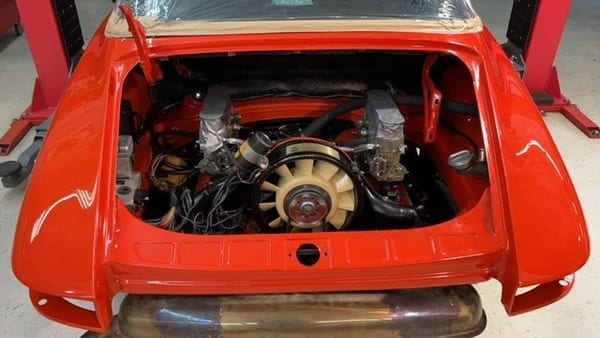
Complete engine rehabilitation 2.2 1970 F series
engine 2.2 1970
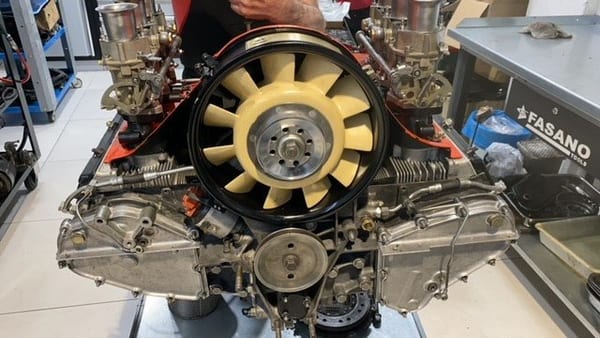
Engine 1971 2.2
Engine 2.2
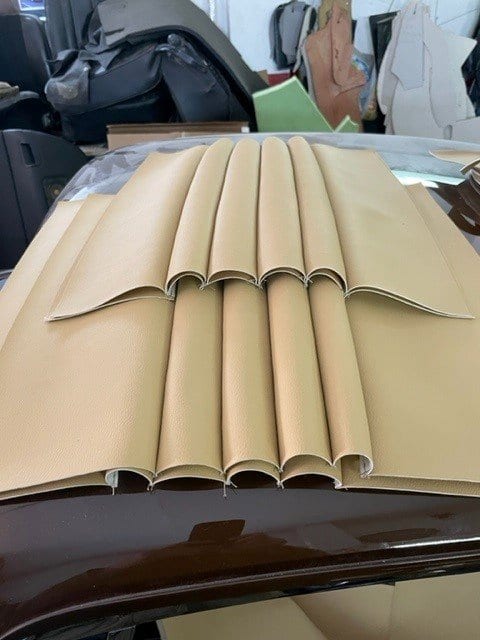
Original upholstery of 911 series F
The upholstery of a 911 is a key part of the restoration.
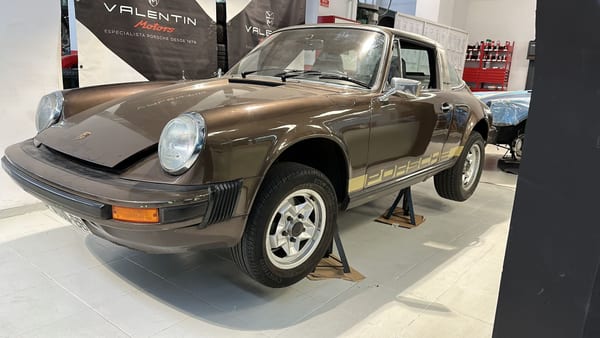
Restoration 2.7 S 1975 national (N8 lime green)
Follow the restoration of this 2.7 s Targa from 1975