Porsche 356 guide: versions, rust and buying advice
- Date
- Words
- Enric Godes
Buying a Porsche 356 starts with the structure: how to check for rust, numbers, engine, gearbox, brakes and quality of an old restoration.
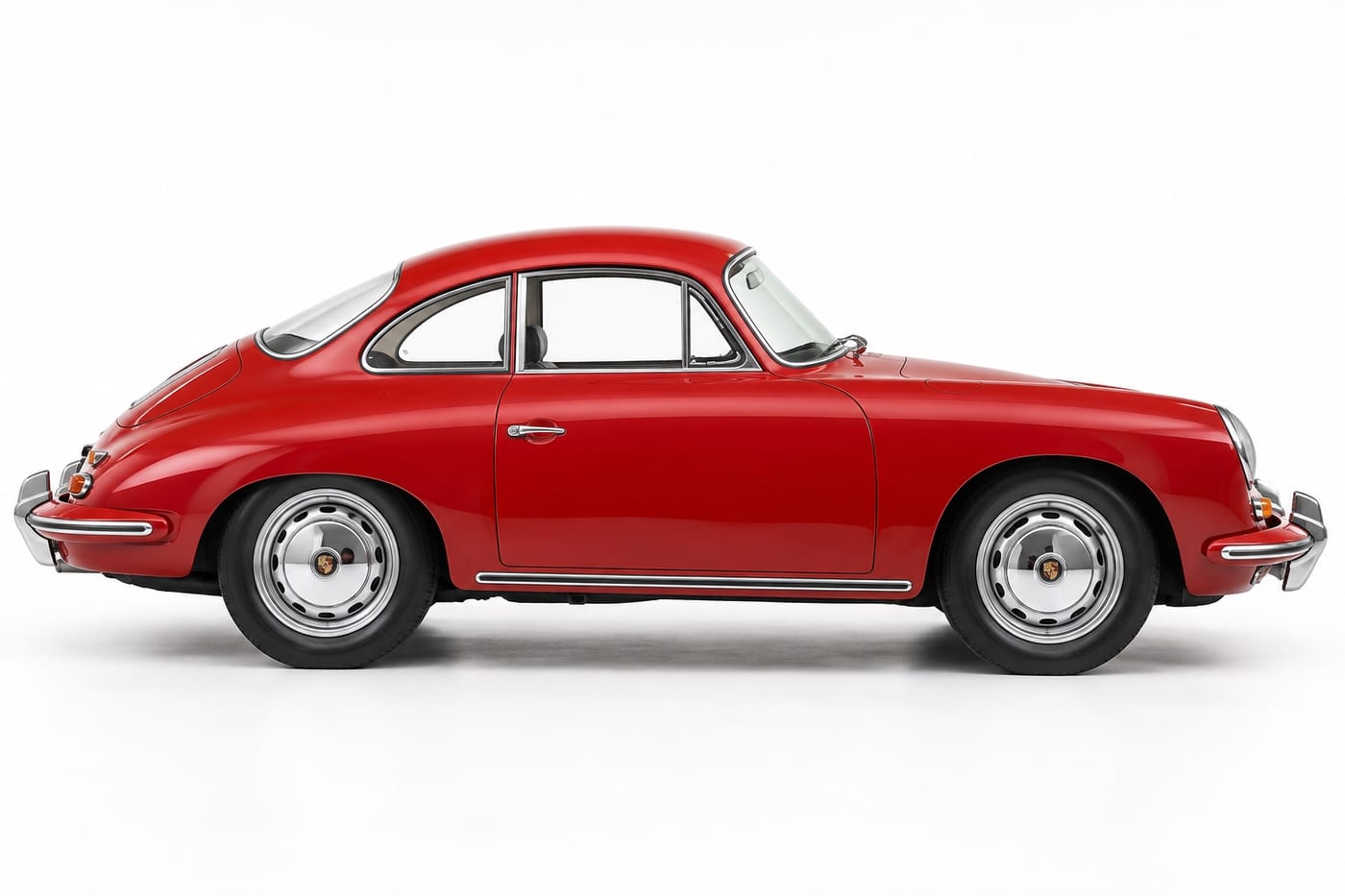
Porsche 356, the reference profile for this generation.
The Porsche 356 seems mechanically simple, but buying one requires more discipline than buying a modern classic. Its monocoque body depends on side members, floors, cross members and suspension points that may have suffered corrosion and various restorations. An engine that starts well does not compensate for a structure repaired without correct alignment.
The name covers Pre-A, A, B and C, as well as coupé, Cabriolet, Speedster, Roadster and the rare four-cam Carrera versions. During production they changed brakes, gearboxes, engines, windscreens and hundreds of details. Authenticity should be judged against a specific chassis and date, not a generic image of a 356.
From a workshop perspective, the best buy is a unit that allows you to see what was done: photographs of the bare metal, measurements, invoices, numbers and parts removed. An aged but honest restoration may be preferable to fresh paint over unknown welds. This guide sets out the inspection sequence, but a valuable car needs a lift and a specialist.
Porsche 356 at a glance
- Years
- 1948-1965
- Body styles
- Coupé, Cabriolet, Speedster, Convertible D and Roadster
- Engine
- Air-cooled four-cylinder boxer, 1,1-2,0 l
- Power
- 40-130 CV depending on street version
- Transmission
- 4 speed manual
- Production
- Approximately 76.000 units
Which Porsche 356 should you choose?
356 and Pre-A
From 1948 to 1955, with split or curved windscreen depending on the stage and low displacement engines. Scarcity and craft variations make it essential to confirm numbers and details with expert documentation.
356 A
From 1955 to 1959, already with T1 and T2 bodywork, 1300 and 1600 engines and various powers. Includes Speedster and Convertible D, highly reproduced and transformed.
356 B
From 1959 to 1963, T5 and T6 bodies with visible changes in bumpers, hoods and windows. It offers Normal, Super and Super 90, as well as Roadster and Carrera.
356 C
From 1963 to 1965, it incorporated disc brakes on all four wheels and 75 CV 1600 C or 95 CV SC engines. It is usually the easiest to integrate into current traffic.
Speedster and Roadster
Light open bodies with great value premium. Check frame, reinforcements, windscreen, seats, soft top and documentation to rule out a coupé conversion or replica.
Carrera
Four-shaft Fuhrmann engines, from 1,5 to 2,0 litres and much higher powers. Its complexity, pieces and value require a specific specialist; it should not be budgeted as a 1600 rod.
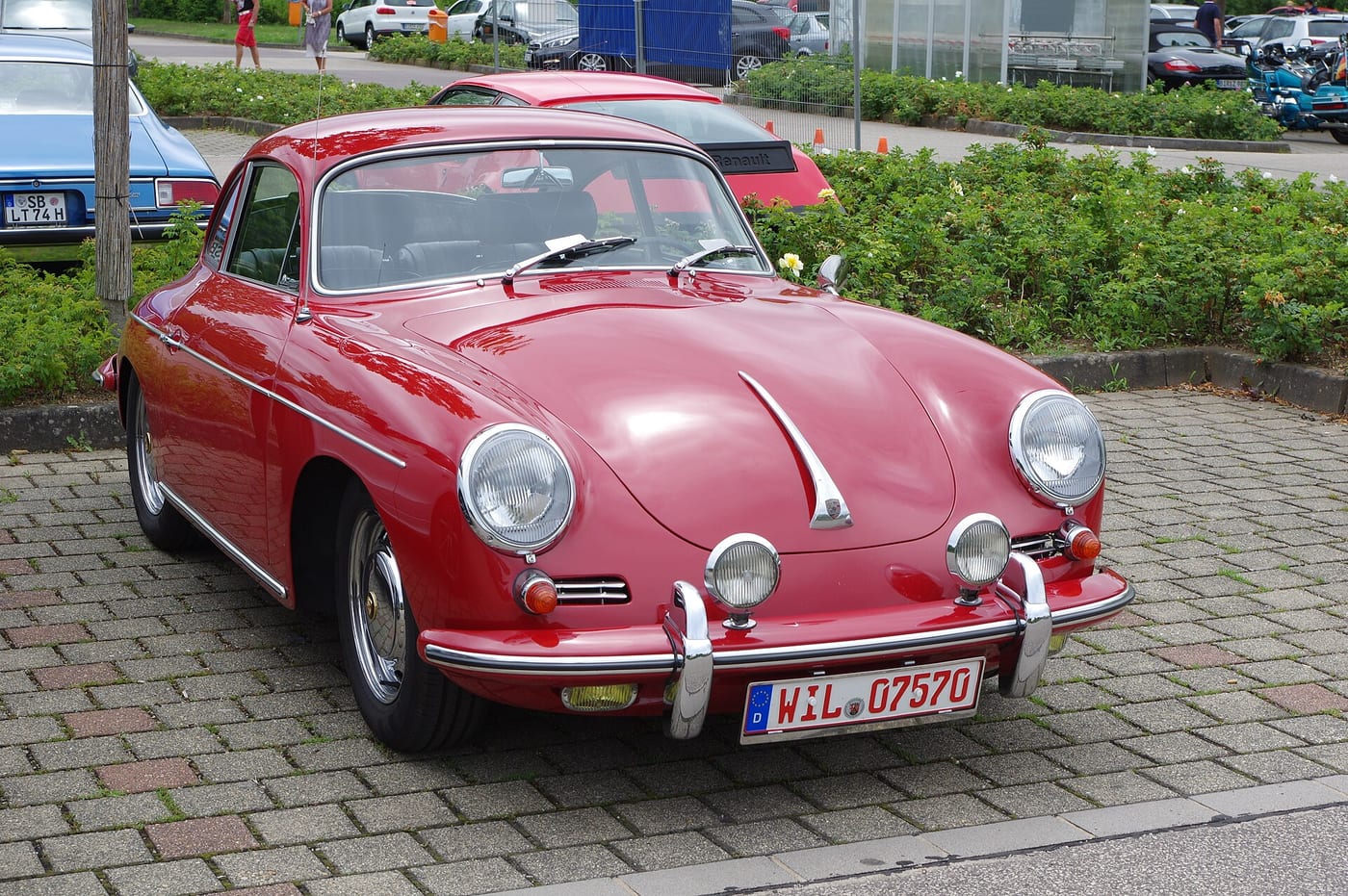
Classic Porsche 356. Photo: Berthold Werner, CC BY-SA 4.0, via Wikimedia Commons.

What should you check before buying a Porsche 356?
Authenticate chassis, identification plate, engine and gearbox numbers, and compare them with available certificates and registrations. Distinguish matching numbers, period-correct engine and simply functional engine. In Speedster, Carrera and early series, a documentary difference substantially changes the value.
Inspect with lift and meter: battery tray, front, side members, floors, cross members, thresholds, pillar bases, wheel arches, front axle support and rear anchors. Look for laps, beads, new sheet metal without interior primer, and closed drains.
Measure diagonals and observe door clearances with the car supported and raised. A door that changes adjustment when lifting reveals flexing. Check wheel camber, axle position and symmetry; a beautiful body can be out of geometry due to corrosion or accident.
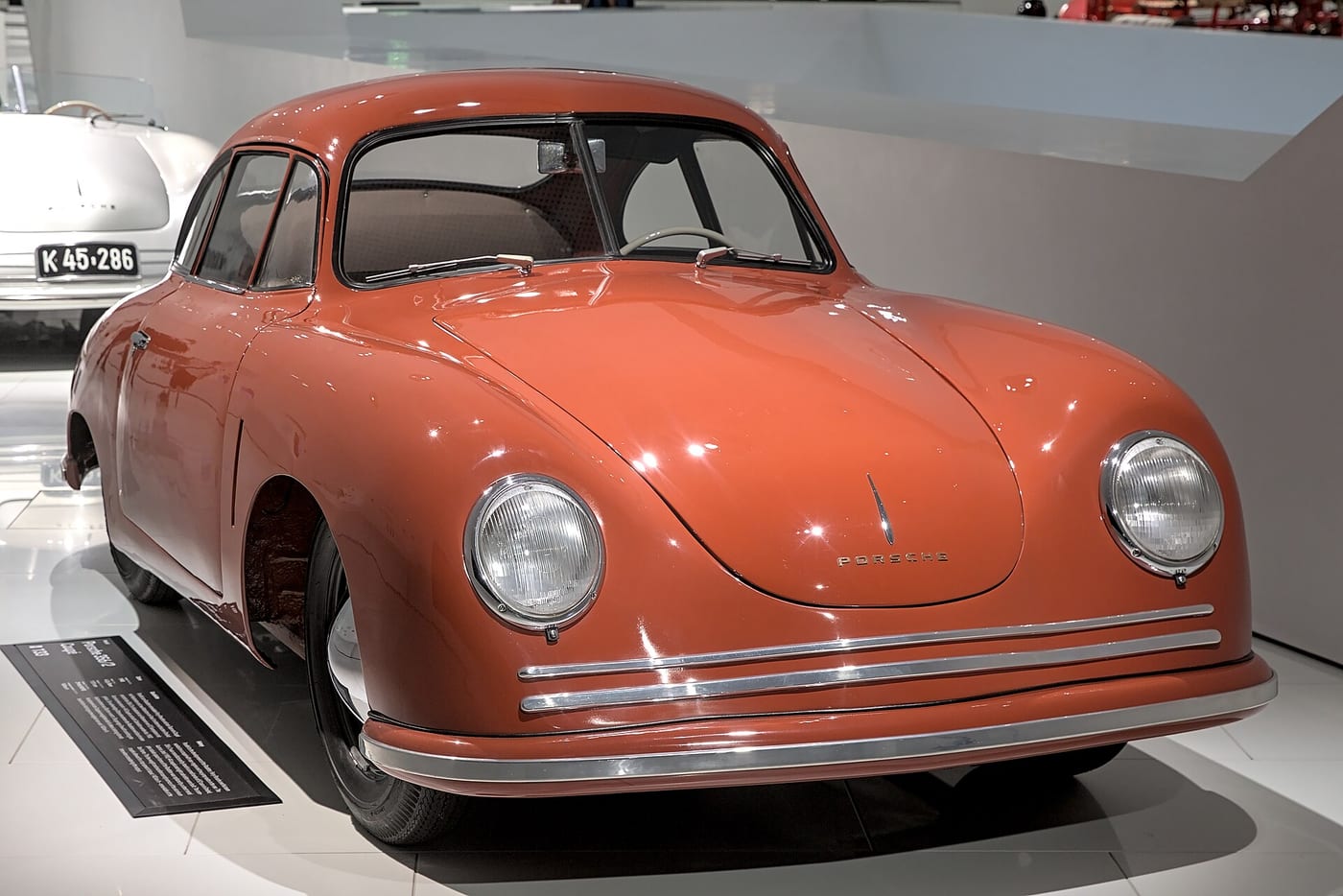
Classic Porsche 356. Photo: Alexander Migl, CC BY-SA 4.0, via Wikimedia Commons.

Cold start, checks pressure, smoke and noise, and measures compression, leaks and axial play. Examine leaks in the pulley, tubes, covers and crankcase joint. Check carburettors, linkages, heaters and ignition advance without compensating for wear with excessive mixture.
Try all four gears and reductions. Scratching can come from synchronizers, clutch or adjustment, but should not be accepted as normal. Check axle tubes, supports and leaks. Please confirm that the ratio and casing correspond to the version if originality matters.
With drum brakes, check for pulling, out-of-round drums and correct adjustment; on the C, check for leaks and inspect the calipers. Test the 6-volt system, charging, starting, lights and earth connections. Correctly sized tyres and sound dampers matter more than fitting a mismatched selection of modern components.
Known Porsche 356 faults
Structural corrosion
Rust on floors rarely ends up in the visible area. If it affects side members, front support or pillar bases, rigidity and geometry change. Before estimating, remove sealant at representative points and measure. Replacing panels without a base or references can leave a shiny car that does not drive straight.
Crankshaft end float and engine wear
Slipping pulley, hot low pressure, smoke and excessive crankcase ventilation require measuring before adjusting. Continuing may damage the crankcase, crankshaft and bearings. A correct rebuild includes dimensions, balancing and evaluation of cylinder heads, not just segments and gaskets.
Cylinder heads, valves and studs
Loss of compression, blowing, changing settings or uneven spark plugs can indicate seat, guide, crack or fixation. Frequent adjustment will not correct a sagging valve. Diagnosing early prevents a loose part from damaging the piston and chamber.
Carburettors and ignition
Difficult starting, backfiring, black spark plugs or high temperature can come from timing, floats, jets, air intakes or advance. Adjusting carburettors on a worn ignition or engine produces temporary results and high consumption.
Gearbox and linkage
Scraping in second gear, imprecise lever or noise during overrun must separate the bushings, clutch, supports and synchronizers. Forcing a cold gearbox accelerates wear. The right oil and a tight linkage help, but they don’t rebuild worn surfaces.
Brakes and 6-volt electrical system
A poorly centred drum or a wet cylinder causes deviation; A poor earth connection reduces light and starting speed. Both systems require correct method and components. Converting to 12 volts or discs may be practical, but must be documented and weighed against originality.
These are the workshop areas that step in once the diagnosis confirms it: paint and bodywork, engines and gearboxes.
How is a Porsche 356 serviced?
In a 356, frequency matters: oil, lubrication of planned points, valves, ignition, carburettors and leaks must be checked at short intervals and also by time. Record the setting of each valve; a trend is worth more than a sheet that only says review done.
Clean meshes, check the fan motor belt and its shims, air ducts and compartment sealing. An air-cooled engine depends on plates, perimeter rubber and thermostat being present and mounted. Chrome parts or paint do not compensate for recirculated hot air.
Renew brake fluid on time, adjust drums when appropriate and check bearings, pivots, shock absorbers and steering. Lubricates hinges, closures and cables. In a 6 volt system, keep batteries, grounds and cable sections in their original working condition.
Use the car regularly and reach temperature without demanding it when cold. Before long periods, it protects fuel and battery and prevents humidity. An annual inspection of cavities and drains allows corrosion to be treated before it requires opening the body.
The 911 servicing rates give an idea of the scope of each service. The final quote depends on what turns up on the car.
What we have done at Valentín Motors
The restoration processes published by Valentín Motors show the criteria applicable to the 356: document disassembly, eliminate corrosion instead of covering it and check dimensions before closing and painting.
For a particular unit, the range should be decided after inspecting metal, numbers and mechanics. We don’t automatically move the budget from another classic to a 356.
Who is a Porsche 356 for?
It is suitable for those who enjoy light and engaging driving at moderate speeds, accept frequent maintenance and value documentation and restoration quality over power. A 356 C usually makes it easier to use; an A, Speedster or Carrera adds rarity and more demanding research.
It is not suitable for those who need protection, air conditioning and braking in a modern car or want to leave it unattended for months. A 911 F offers more performance while retaining classic character; a 912 can give similar sensations at a different valuation; a replica must be purchased and insured for what it is.
Related work
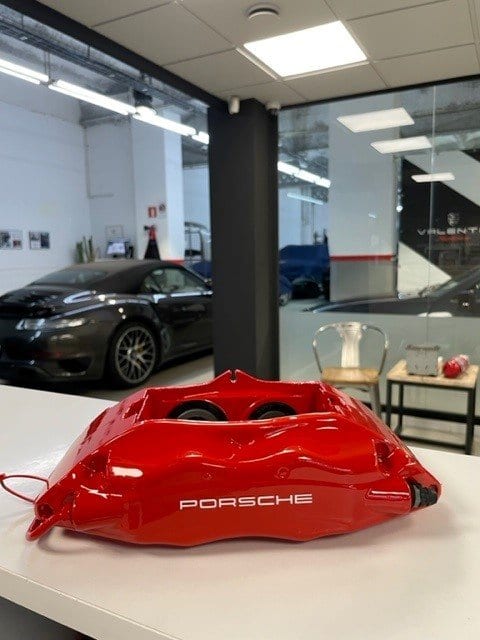
Brake caliper restoration
Restoration of brake calipers
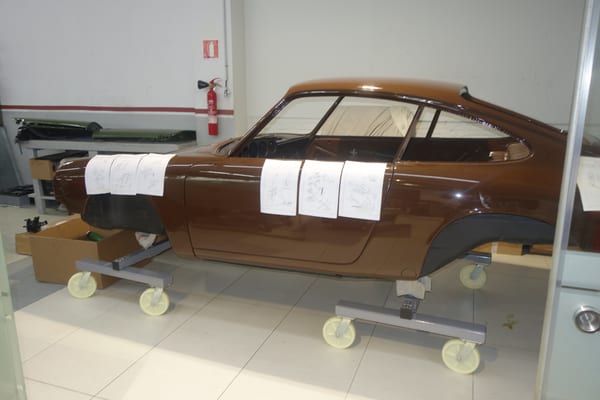
Restoration of Porsche 911 F series 1965
The project arrived in disordered boxes, poorly dismantled and with missing parts after 7 years of moves between workshops.
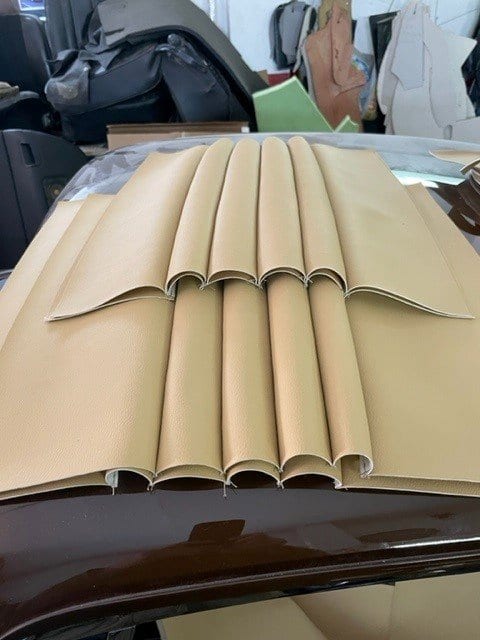
Original upholstery of 911 series F
The upholstery of a 911 is a key part of the restoration.